Applications

Can AI Be Creative? A Philosophical Perspective
Applications Creative Arts AI for Content Creators

Can AI Be Creative? A Philosophical Perspective

The question of whether artificial intelligence can truly be creative lies at the intersection of technology, philosophy, and human identity. As AI systems begin to generate art, music, writing, and even scientific ideas, they challenge long-standing assumptions about creativity being an exclusively human trait. At first glance, the outputs of AI can appear original and expressive, raising a fundamental question: is creativity defined by the process, the result, or the intention behind it? Exploring this issue requires a deeper understanding of what creativity actually means and how AI operates in comparison to the human mind.

AI Regulation Around the World: What Laws Are Being Adopted
Applications Smart Technologies Ethics

AI Regulation Around the World: What Laws Are Being Adopted

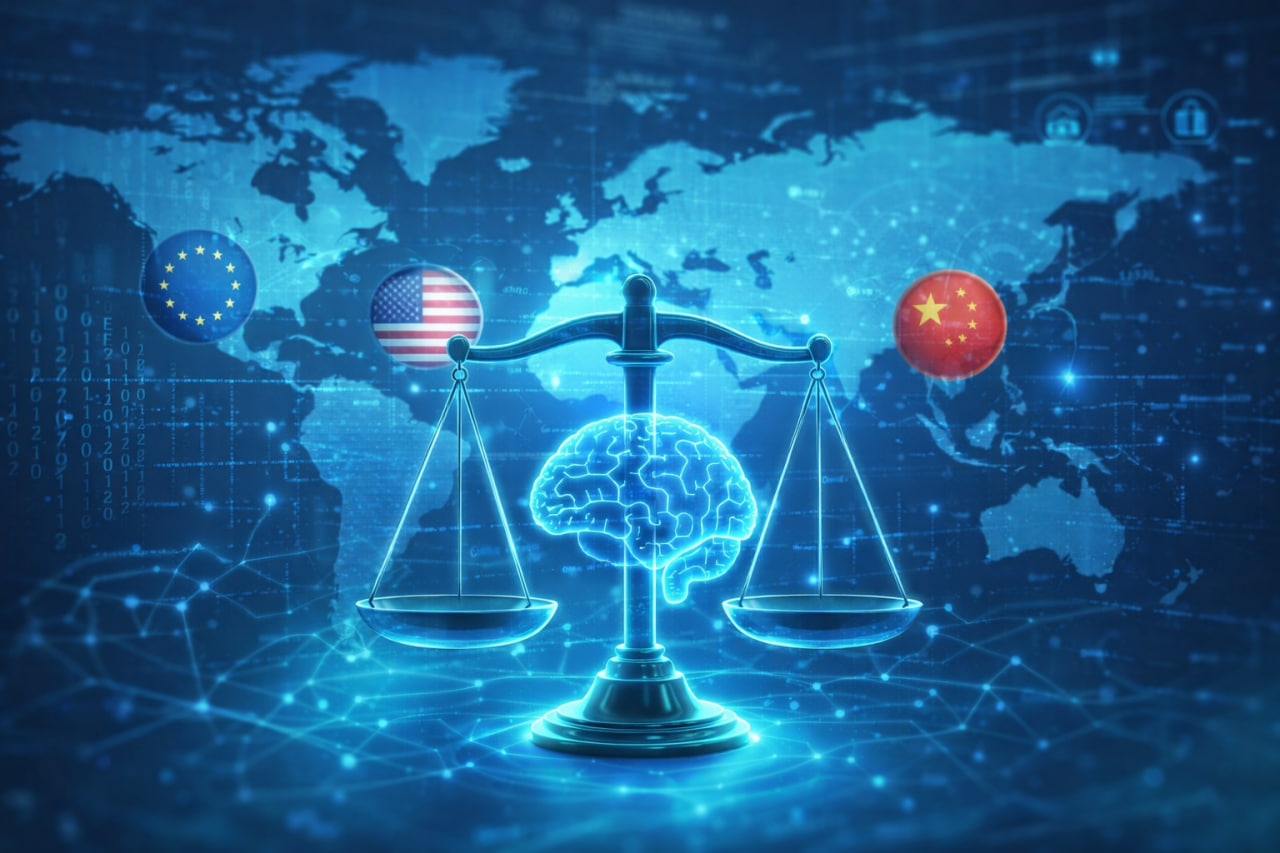
Artificial intelligence is developing faster than most legal systems can adapt, forcing governments worldwide to introduce new regulatory frameworks. These laws aim to balance innovation with safety, ensuring that AI technologies remain beneficial while minimizing risks related to privacy, bias, and misuse. Different regions approach AI regulation in unique ways, reflecting their political systems, economic priorities, and cultural values. Understanding these global efforts helps clarify how AI will be governed in the coming years.

How AI Is Transforming the Labor Market: Which Jobs Will Disappear and Which Will Emerge
Career Skills and development Applications

How AI Is Transforming the Labor Market: Which Jobs Will Disappear and Which Will Emerge

Artificial intelligence is rapidly reshaping the global labor market, influencing how businesses operate, how employees perform their tasks, and which skills are most valuable in the modern economy. Throughout history, technological revolutions—from the steam engine to the internet—have transformed employment patterns. AI represents the next major shift, automating routine processes while simultaneously creating entirely new professional fields. While concerns about job displacement are widespread, economists and technology experts emphasize that the true impact of AI lies not only in job elimination but also in job transformation and the emergence of new roles.

AI and Privacy: Where Is the Line Between Personalization and Surveillance?
Applications AI in Media Production AI in Cybersecurity

AI and Privacy: Where Is the Line Between Personalization and Surveillance?

Artificial intelligence has dramatically improved the ability of digital systems to understand user behavior and deliver personalized experiences. From recommendation algorithms in streaming services to targeted advertising and smart assistants, AI analyzes large volumes of data to predict user preferences and optimize services. While this level of personalization can make technology more convenient and efficient, it also raises important concerns about privacy and surveillance. As AI systems collect and process increasing amounts of personal data, society faces a critical question: where is the boundary between helpful personalization and intrusive monitoring?

Smart Cities: How AI Manages Traffic, Energy Consumption, and Urban Safety
Applications Smart Technologies Automation

Smart Cities: How AI Manages Traffic, Energy Consumption, and Urban Safety

Urbanization is accelerating worldwide, placing increasing pressure on transportation systems, energy grids, and public safety infrastructure. Traditional city management models, which rely heavily on manual oversight and reactive decision-making, struggle to keep pace with growing population density and infrastructure complexity. In response, municipalities are integrating artificial intelligence (AI) into urban systems to create what is known as a smart city — an interconnected environment where data-driven technologies optimize daily operations. AI does not simply automate tasks; it analyzes massive real-time data streams to predict congestion, balance electricity demand, and enhance public safety. As cities evolve, AI is becoming a foundational technology that reshapes how urban environments function.

Robotics and AI in Manufacturing: The Transformation of Modern Industry
Applications Smart Technologies Innovations

Robotics and AI in Manufacturing: The Transformation of Modern Industry

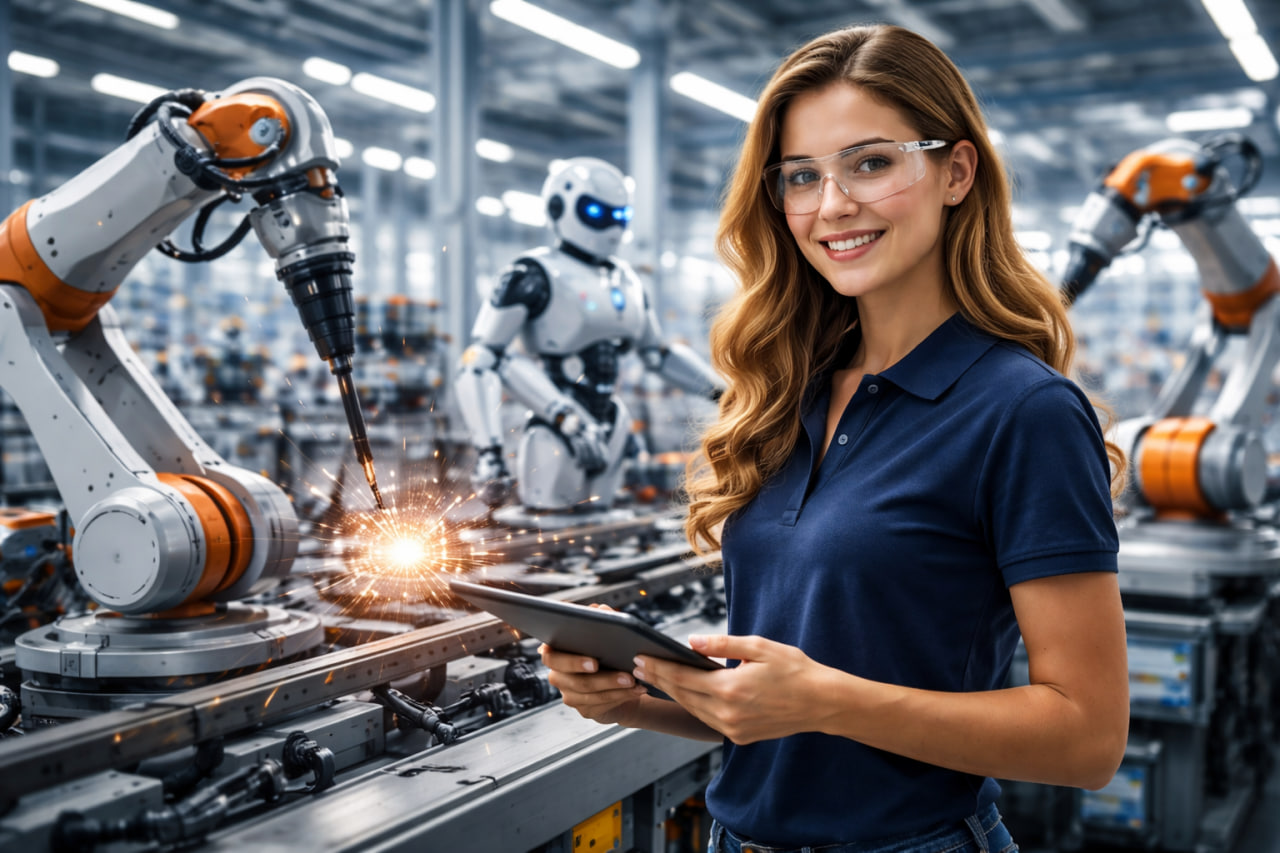
Industrial production has undergone several technological revolutions, from mechanization and electrification to automation and digitalization. Today, the integration of robotics and artificial intelligence (AI) marks the next major shift, often referred to as Industry 4.0. Unlike traditional automation, which follows fixed programmed instructions, AI-powered systems can analyze data, learn from patterns, and adapt to changing conditions. This combination of intelligent software and advanced robotics is redefining efficiency, safety, and productivity across global manufacturing sectors.

Bias in Algorithms: Why Artificial Intelligence Can Become Discriminatory
Applications Ethics Sustainability

Bias in Algorithms: Why Artificial Intelligence Can Become Discriminatory

Artificial intelligence is often perceived as objective because it relies on mathematics, statistics, and data-driven decision-making. However, AI systems are not inherently neutral. They learn from historical data, human-designed models, and real-world environments that may contain structural inequalities. When these biases are reflected in training data or algorithmic design, the resulting systems can unintentionally produce discriminatory outcomes. Understanding algorithmic bias is essential for ensuring that AI technologies are deployed responsibly across industries such as finance, healthcare, hiring, and law enforcement.

How Lawyers Use AI for Document and Case Law Analysis
Skills and development Applications Automation

How Lawyers Use AI for Document and Case Law Analysis

Artificial intelligence is rapidly transforming the legal profession, particularly in the areas of document analysis and case law research. Traditionally, lawyers spent countless hours reviewing contracts, scanning precedents, and preparing legal arguments manually. Today, AI-powered tools significantly reduce research time, improve accuracy, and uncover insights that may otherwise remain hidden. While AI does not replace legal expertise, it enhances efficiency and supports more informed legal decision-making.

How AI Helps in Data Analysis and Forecasting
Education and training Applications Automation

How AI Helps in Data Analysis and Forecasting

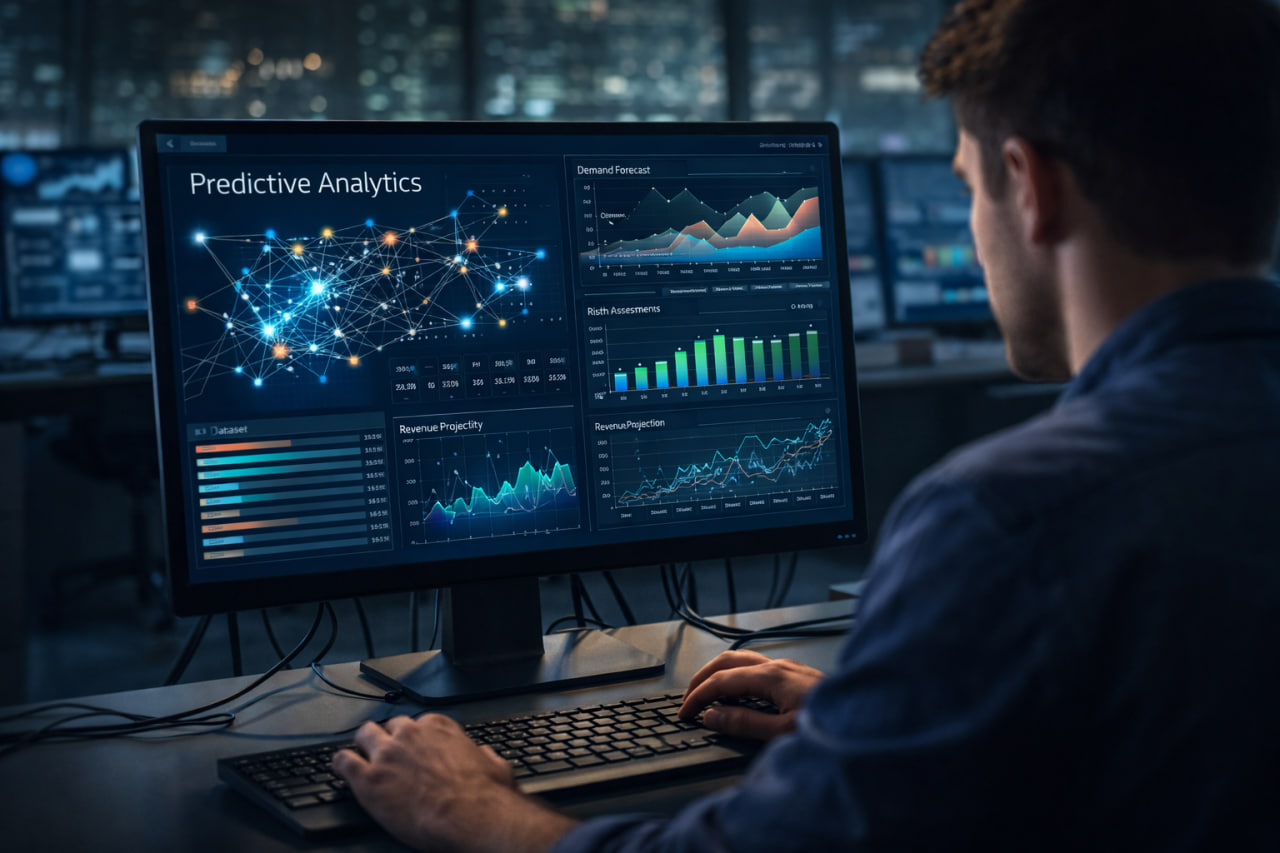
Artificial intelligence has become one of the most powerful tools for working with large volumes of data, transforming how companies, researchers, and governments make decisions. Traditional data analysis relies heavily on predefined rules and human interpretation, which limits speed and scalability. AI systems, by contrast, can process massive datasets, detect hidden patterns, and generate forecasts that would be impossible to produce manually. As data continues to grow exponentially, AI-driven analysis is becoming a core foundation of modern forecasting.

Low-Code and No-Code AI Platforms: Creating Models Without Programming
Skills and development Applications AI in Media Production

Low-Code and No-Code AI Platforms: Creating Models Without Programming

Artificial intelligence is no longer reserved exclusively for programmers, data scientists, or large technology companies. In recent years, low-code and no-code AI platforms have dramatically lowered the barrier to entry, allowing non-technical users to build, train, and deploy AI models without writing traditional code. These platforms are changing how businesses, educators, and creators approach AI—shifting the focus from algorithms to problems, data, and outcomes. Low-code and no-code AI does not eliminate complexity entirely, but it hides it behind intuitive interfaces, visual workflows, and automated processes. As a result, AI development becomes more accessible, faster, and more aligned with real-world business needs.