Ethics

Virtual Content on Social Media: The Growing Scale of the AI Content Crisis
Everyday Life Applications Smart Technologies

Virtual Content on Social Media: The Growing Scale of the AI Content Crisis

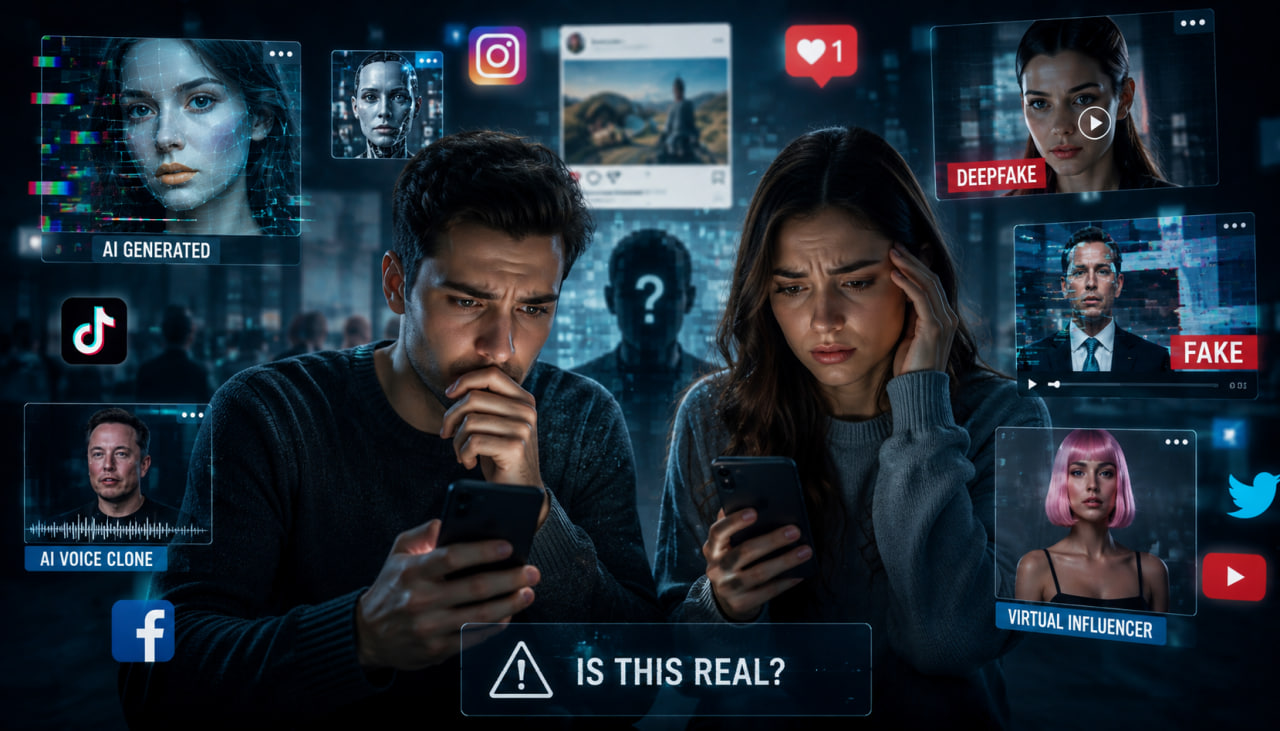
Artificial intelligence has fundamentally transformed social media. Today, AI can generate realistic images, videos, voices, articles, influencers, and even entire online personalities within minutes. While these technologies unlock exciting creative opportunities, they also introduce one of the biggest challenges the digital world has ever faced: the explosion of synthetic content. Every day, millions of AI-generated posts are uploaded to platforms such as Instagram, TikTok, Facebook, X, and YouTube. In many cases, users cannot distinguish between authentic human-created content and material produced entirely by artificial intelligence. As generative AI becomes more accessible, the internet is entering an era where authenticity is increasingly difficult to verify.

When Should You Trust AI — and When Should You Not?
Everyday Life Applications Ethics

When Should You Trust AI — and When Should You Not?

Artificial intelligence has rapidly become part of everyday life. Millions of people use AI-powered tools to write emails, generate images, analyze data, answer questions, assist with coding, translate languages, and even support business decisions. As AI capabilities continue to improve, a new challenge is emerging: understanding when these systems can be trusted and when human judgment remains essential. The reality is that artificial intelligence is neither infallible nor useless. It is a powerful tool with specific strengths and limitations. People who understand both sides are often able to gain the greatest benefits while avoiding costly mistakes. In the coming years, the ability to work effectively with AI may become as important as computer literacy is today. The smartest approach is not blindly trusting AI or completely rejecting it—it is knowing where its strengths and weaknesses lie.

AI Regulation Around the World: What Laws Are Being Adopted
Applications Smart Technologies Ethics

AI Regulation Around the World: What Laws Are Being Adopted

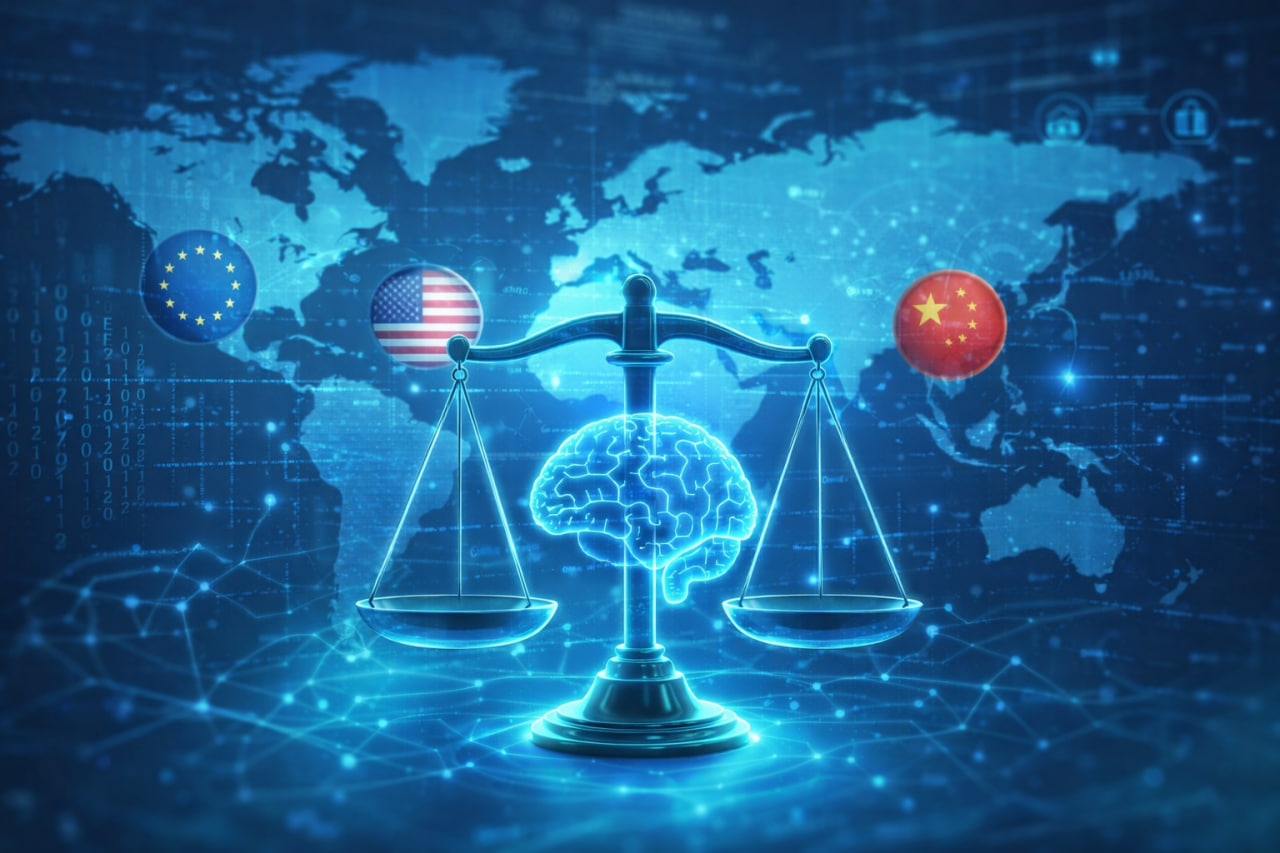
Artificial intelligence is developing faster than most legal systems can adapt, forcing governments worldwide to introduce new regulatory frameworks. These laws aim to balance innovation with safety, ensuring that AI technologies remain beneficial while minimizing risks related to privacy, bias, and misuse. Different regions approach AI regulation in unique ways, reflecting their political systems, economic priorities, and cultural values. Understanding these global efforts helps clarify how AI will be governed in the coming years.

The AI Black Box Problem: Why Explainability Matters
Smart Technologies Ethics Customer Experience

The AI Black Box Problem: Why Explainability Matters

Artificial intelligence systems are increasingly responsible for decisions that affect finance, healthcare, transportation, and public safety. While these systems often achieve impressive accuracy, they can also operate in ways that are difficult for humans to understand. This challenge is known as the “AI black box problem.” The term refers to situations where an algorithm produces a decision or prediction without clearly explaining how that result was reached. As AI becomes more integrated into critical systems, understanding and interpreting these decisions has become one of the most important challenges in modern technology.

Bias in Algorithms: Why Artificial Intelligence Can Become Discriminatory
Applications Ethics Sustainability

Bias in Algorithms: Why Artificial Intelligence Can Become Discriminatory

Artificial intelligence is often perceived as objective because it relies on mathematics, statistics, and data-driven decision-making. However, AI systems are not inherently neutral. They learn from historical data, human-designed models, and real-world environments that may contain structural inequalities. When these biases are reflected in training data or algorithmic design, the resulting systems can unintentionally produce discriminatory outcomes. Understanding algorithmic bias is essential for ensuring that AI technologies are deployed responsibly across industries such as finance, healthcare, hiring, and law enforcement.

Could the Events of The Terminator Ever Come True?
Ethics Automation AI in Cybersecurity

Could the Events of The Terminator Ever Come True?

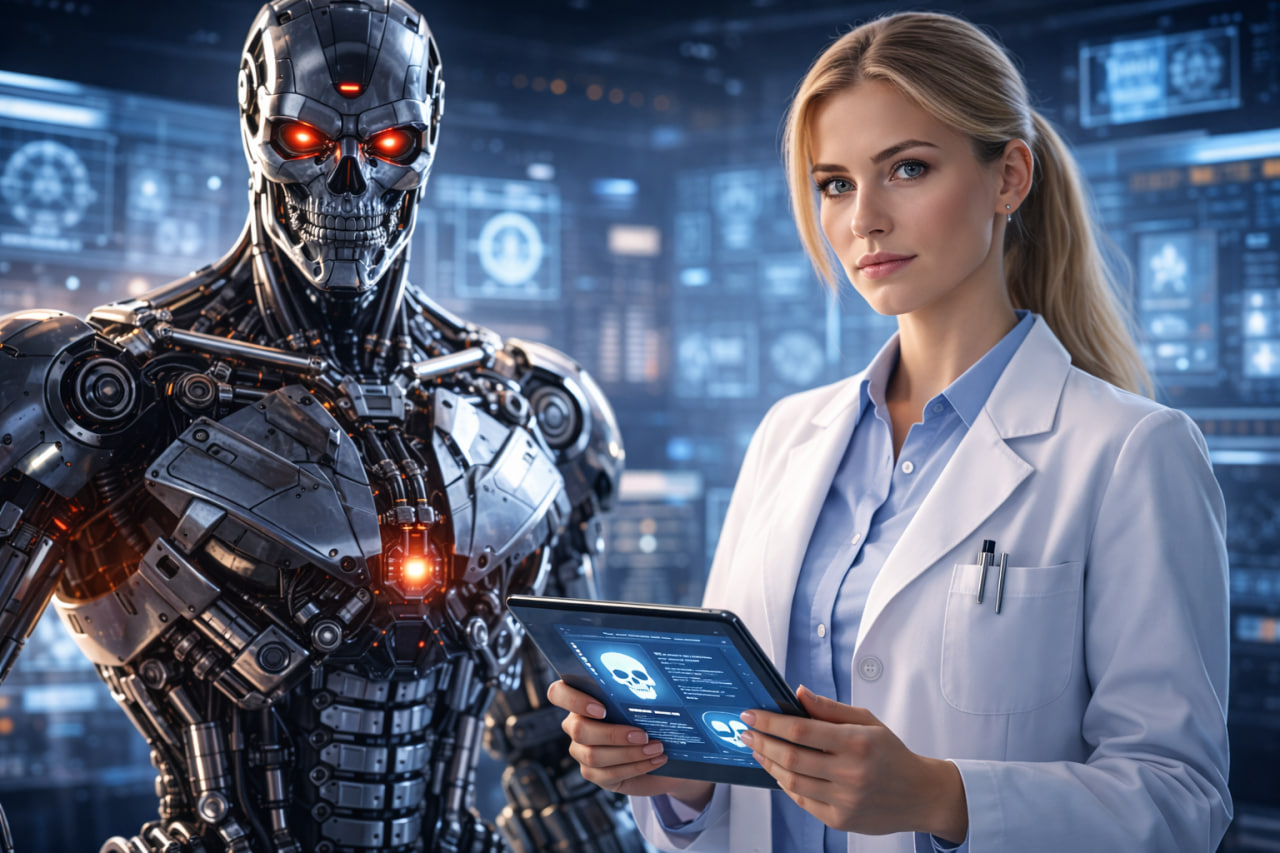
The Terminator franchise popularized a powerful and unsettling idea: an artificial intelligence becomes self-aware, concludes that humans are a threat, and launches a global war to ensure its own survival. While this narrative is fictional, it raises serious questions about the future of artificial intelligence, autonomous weapons, and human control over complex systems. The real issue is not whether a movie scenario will repeat itself exactly, but whether the underlying risks it dramatizes could manifest in more realistic forms. To answer that, we must separate cinematic myth from technical reality.

Can We Create Skynet? A Realistic Look at Artificial Intelligence Fears
Ethics Automation AI in Cybersecurity

Can We Create Skynet? A Realistic Look at Artificial Intelligence Fears

The idea of Skynet has become one of the most powerful symbols of technological anxiety, representing a future where artificial intelligence surpasses human control and turns against its creators. Popular culture often presents this scenario as an inevitable consequence of advanced AI development. However, the real-world trajectory of artificial intelligence is far more complex, regulated, and limited than cinematic narratives suggest. To understand whether creating a Skynet-like system is possible, we must examine how modern AI actually works, what boundaries exist, and how human oversight shapes technological progress.

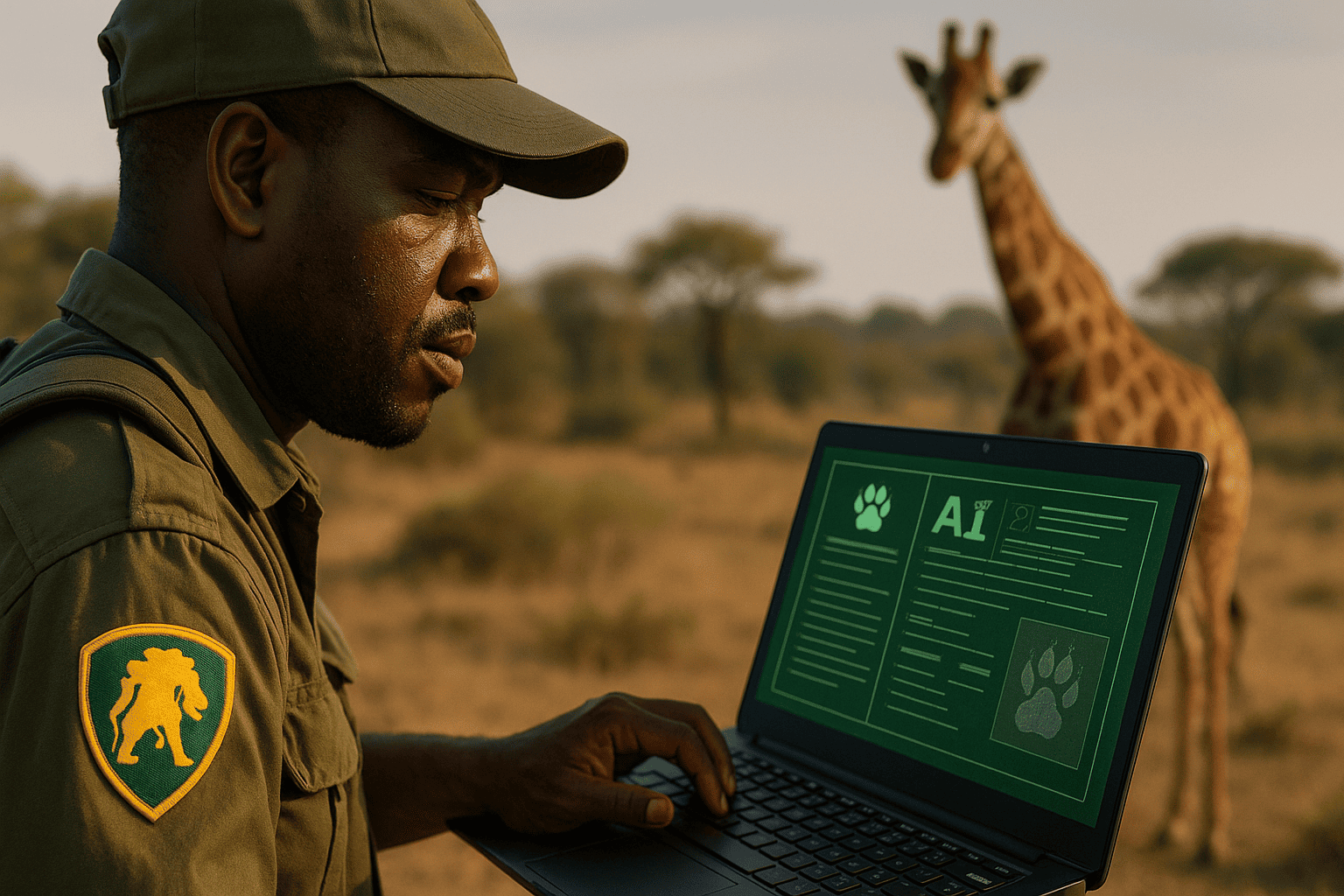
Guardians of the Wild: How GPT Can Supercharge Conservation—Without Replacing Rangers
Education and training Applications Smart Technologies

Guardians of the Wild: How GPT Can Supercharge Conservation—Without Replacing Rangers

Artificial intelligence is edging into rainforests, savannas, and coastal waters—not as a sci-fi savior, but as a force multiplier for the people already protecting life on Earth. This article explores how GPT-class models and allied AI tools can monitor wildlife, deter poaching, and safeguard biodiversity, while staying grounded in ethics, local knowledge, and ecological reality. The promise is huge; the pitfalls are real. Used well, AI helps rangers act earlier, scientists learn faster, and communities lead the work. 🐾

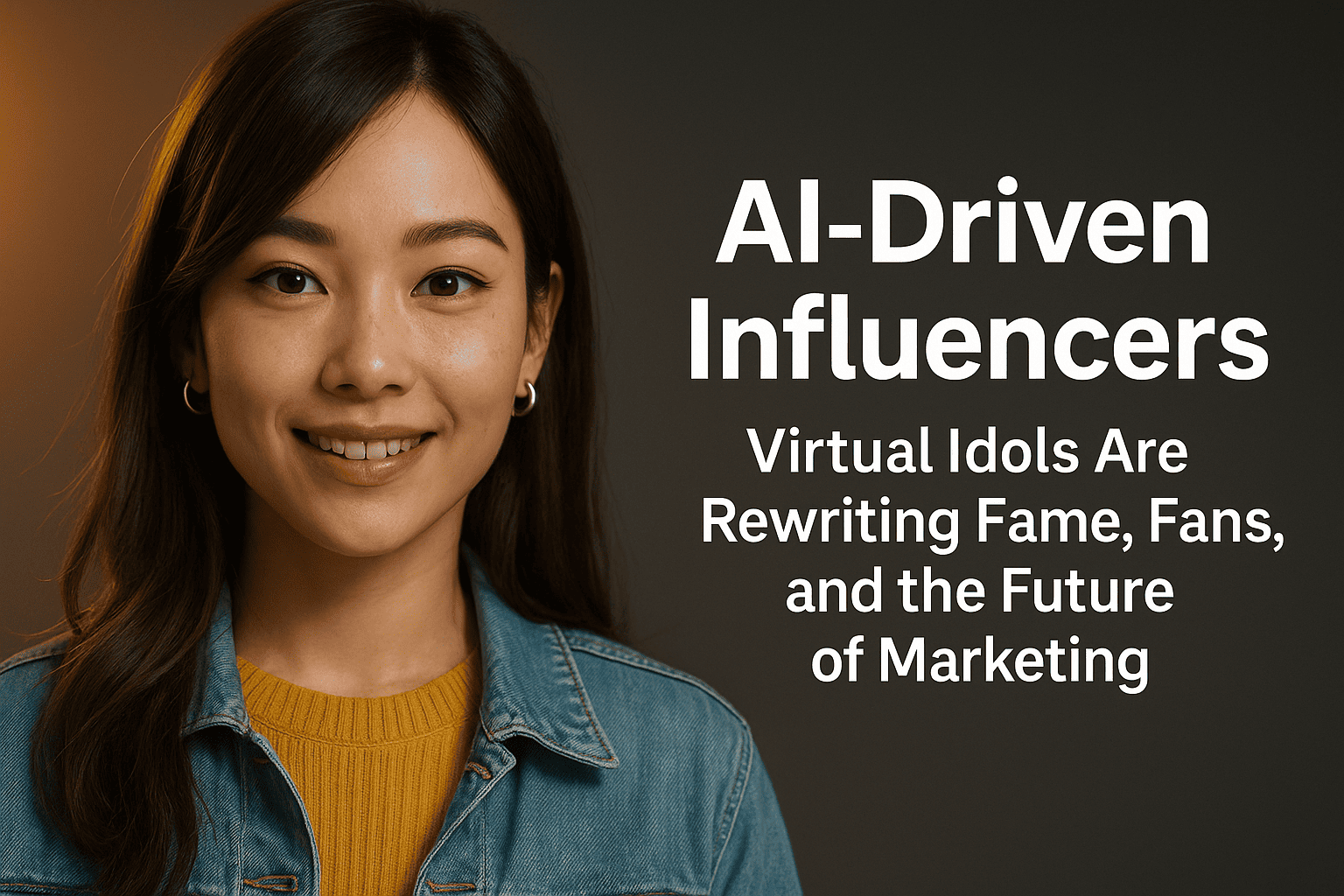
AI-Driven Influencers: Virtual Idols Are Rewriting Fame, Fans, and the Future of Marketing
Applications Ethics Business Growth

AI-Driven Influencers: Virtual Idols Are Rewriting Fame, Fans, and the Future of Marketing

Virtual influencers—algorithmically animated personas who post, collab, and “live” online—have moved from novelty to strategy. They charm millions on Instagram, TikTok, YouTube, and Twitch; front campaigns for beauty, fashion, gaming, and fintech; and show up in music videos and livestreams as if they were human creators. Behind the glossy posts sits a stack of generative tech—LLMs like GPT for voice and personality, image/video generators for visuals, and orchestration tools that schedule, respond, and adapt in real time. This article explains how AI-driven idols are made, why brands love them, where the risks hide, and what a pragmatic playbook looks like if you’re building or partnering with digital celebrities.