Creative Arts

Runable AI: How an All-in-One AI Agent Is Changing the Way People Work
News Creative Arts Business Growth

Runable AI: How an All-in-One AI Agent Is Changing the Way People Work

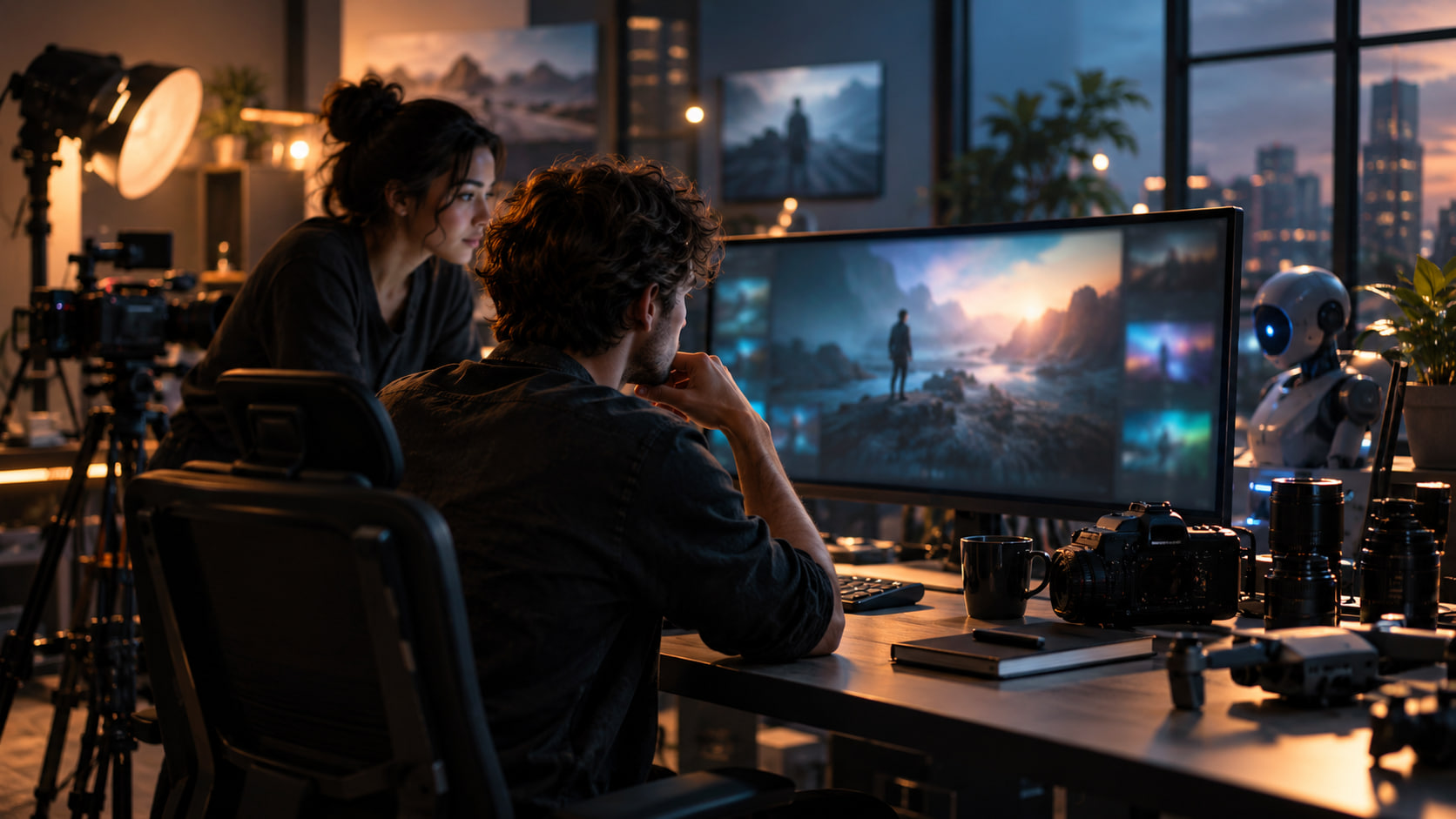
Artificial intelligence is moving beyond answering questions and generating individual pieces of content. A new generation of AI agents aims to complete entire workflows, from researching business ideas and creating presentations to building websites, producing videos, and preparing marketing campaigns. Runable is one of the platforms attempting to bring these capabilities together in a single workspace.

Top 5 AI Tools for Designers in 2026: The Best Platforms for Faster, Smarter Creative Work
Skills and development Creative Arts AI in Media Production

Top 5 AI Tools for Designers in 2026: The Best Platforms for Faster, Smarter Creative Work

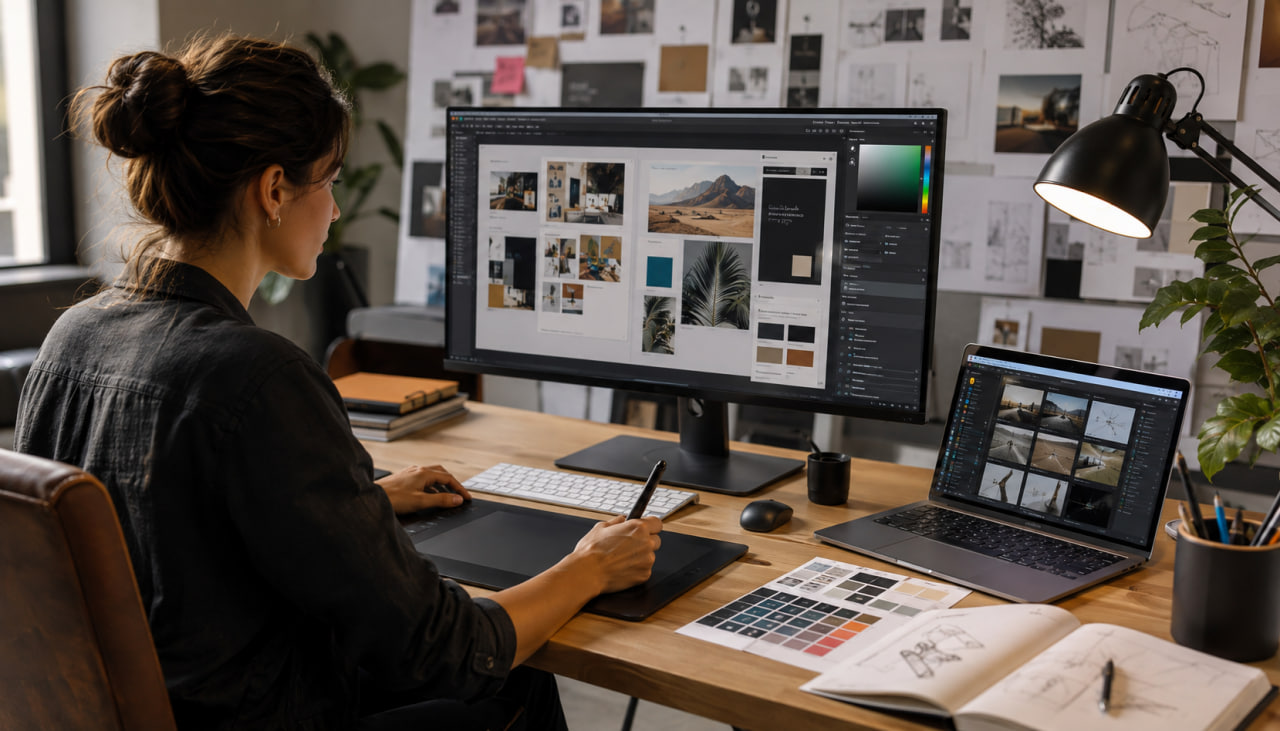
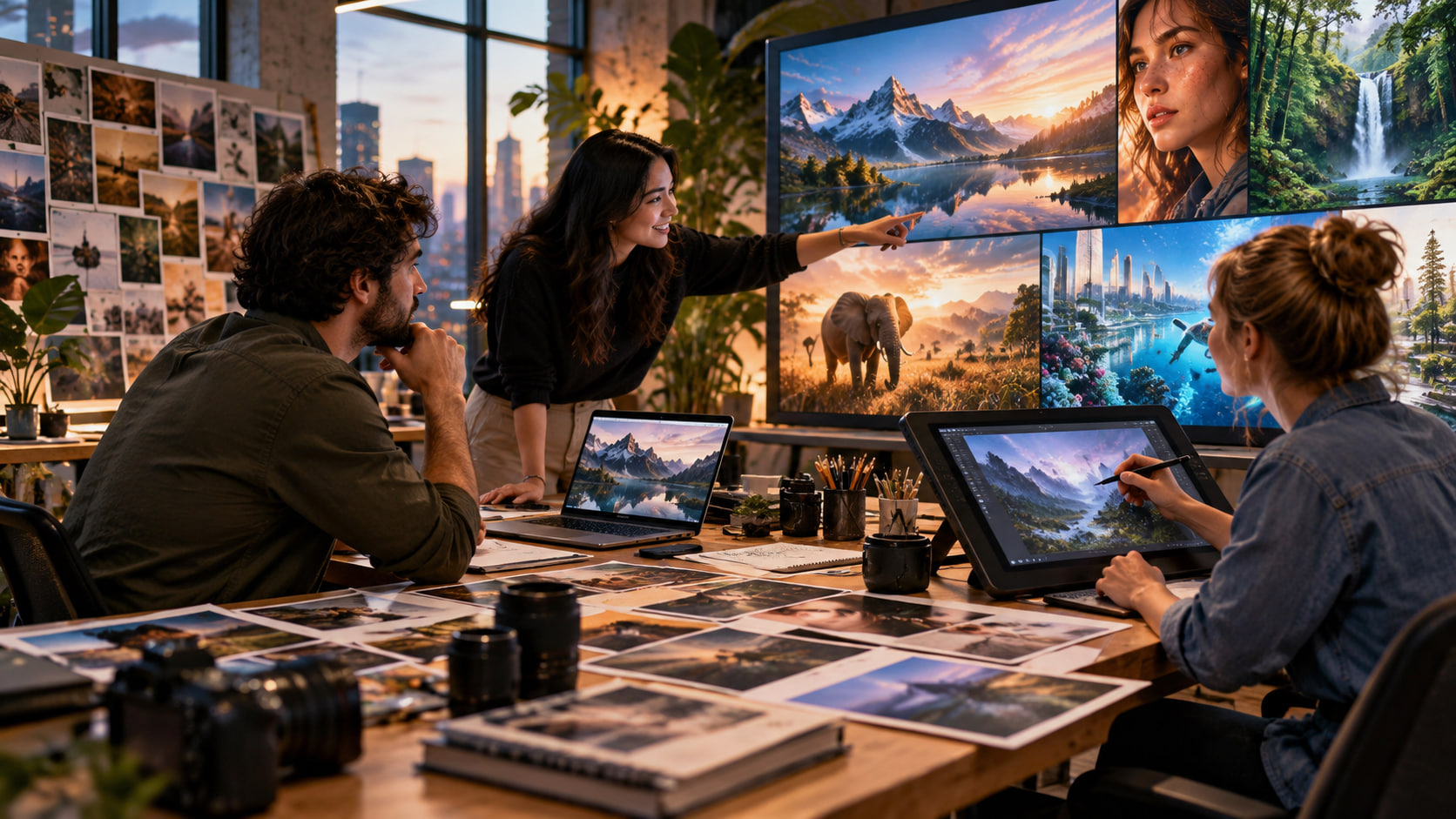
Artificial intelligence has moved from a novelty for generating experimental images into a serious part of professional design workflows. In 2026, designers can use AI to create moodboards, generate visual concepts, edit photographs, build interface prototypes, produce campaign variations, animate still images, create video, reorganize files, rewrite copy, and automate repetitive production tasks.

Create a Presentation or Infographic in 5 Minutes with AI: A Complete Guide
Creative Arts AI in Media Production AI for Content Creators

Create a Presentation or Infographic in 5 Minutes with AI: A Complete Guide

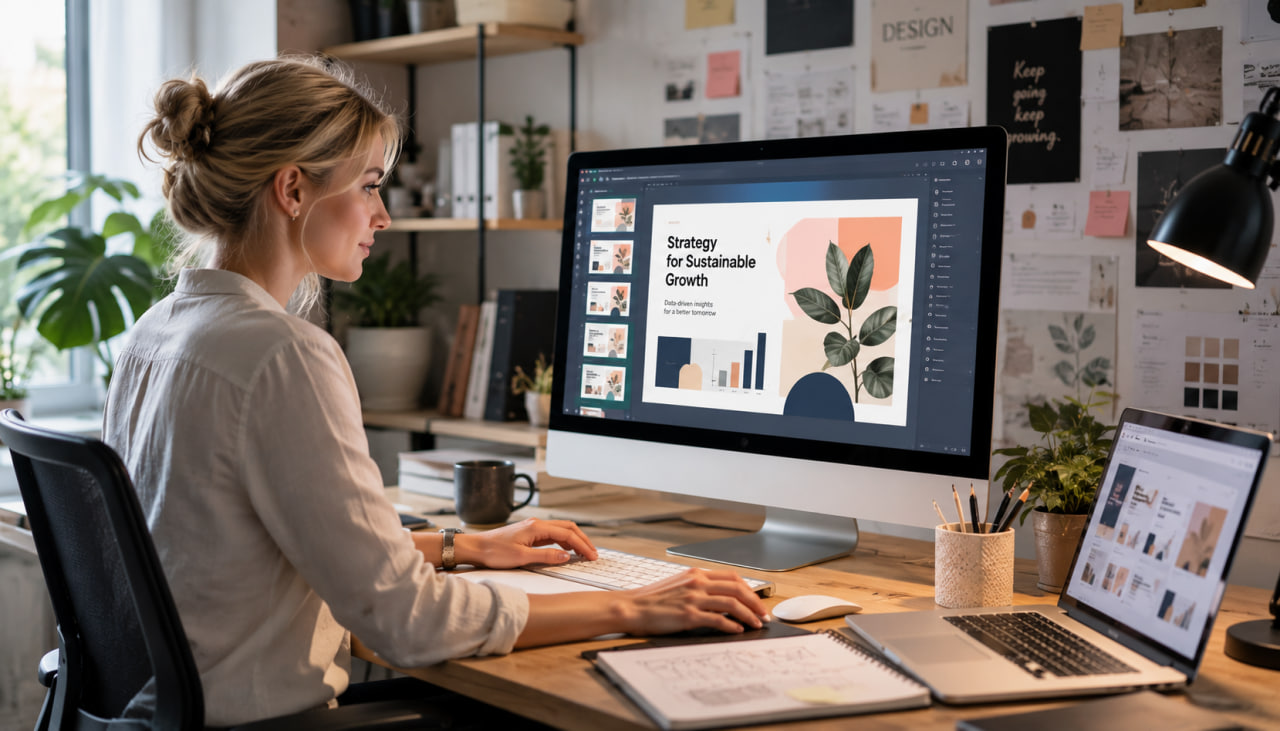
Artificial intelligence has transformed the way presentations and infographics are created. What once required hours of design work, content organization, and graphic editing can now be completed in just a few minutes using modern AI-powered tools. Whether you are preparing a business pitch, school project, marketing campaign, sales report, or conference presentation, AI can generate professional slides, design visually appealing infographics, suggest layouts, write compelling content, and even create custom illustrations. AI dramatically reduces the time spent on design while allowing users to focus on ideas, storytelling, and communication.

How AI Generates Music in the Style of Famous Artists
Smart Technologies Creative Arts AI in Media Production

How AI Generates Music in the Style of Famous Artists

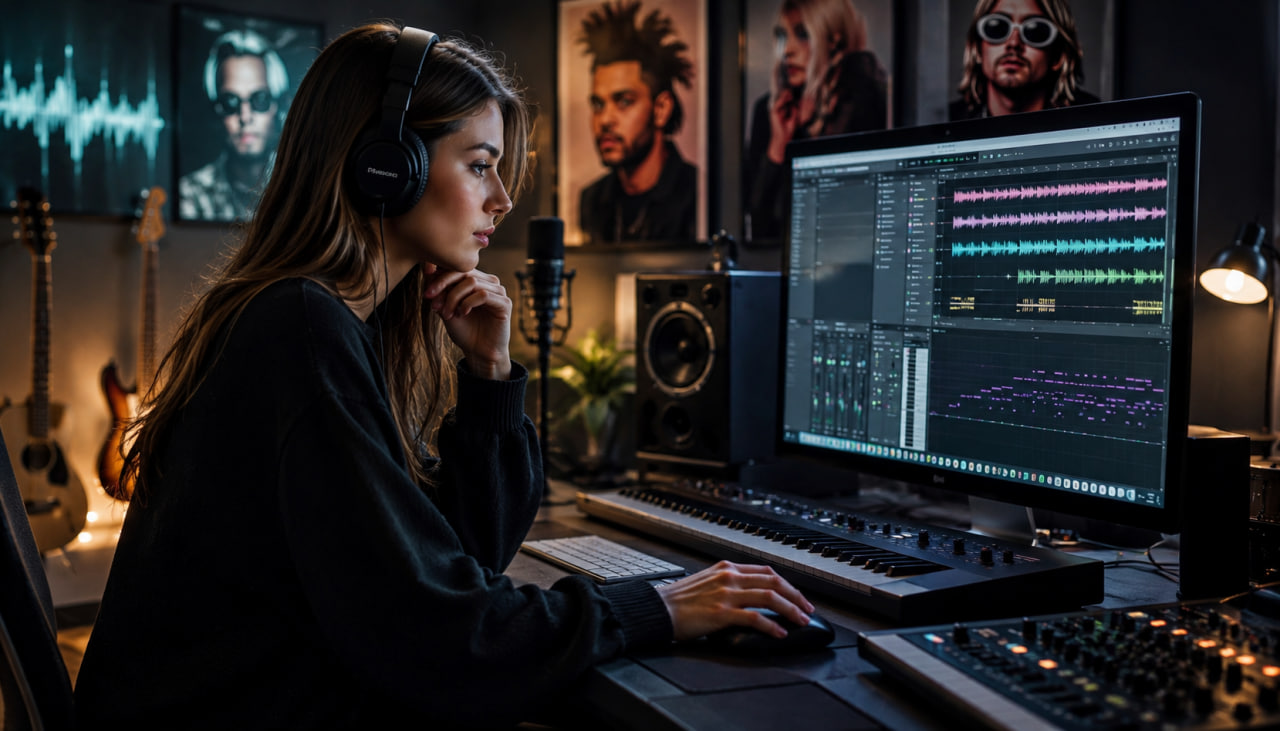
Artificial intelligence is rapidly transforming the music industry. What once required years of musical training, expensive studio equipment, and collaboration with professional producers can now be partially achieved through advanced AI systems capable of generating melodies, harmonies, vocals, and complete songs within minutes. One of the most fascinating and controversial applications of this technology is the ability to create music that resembles the style of famous artists. While AI cannot truly replicate human creativity, modern models can analyze vast amounts of musical data and generate compositions that capture recognizable characteristics of particular genres, eras, and performers. As AI-generated music becomes increasingly sophisticated, it is raising important questions about creativity, copyright, and the future of the music business.

The Race of Technology Giants: Who Is Leading the Future?
Skills and development Smart Technologies Creative Arts

The Race of Technology Giants: Who Is Leading the Future?

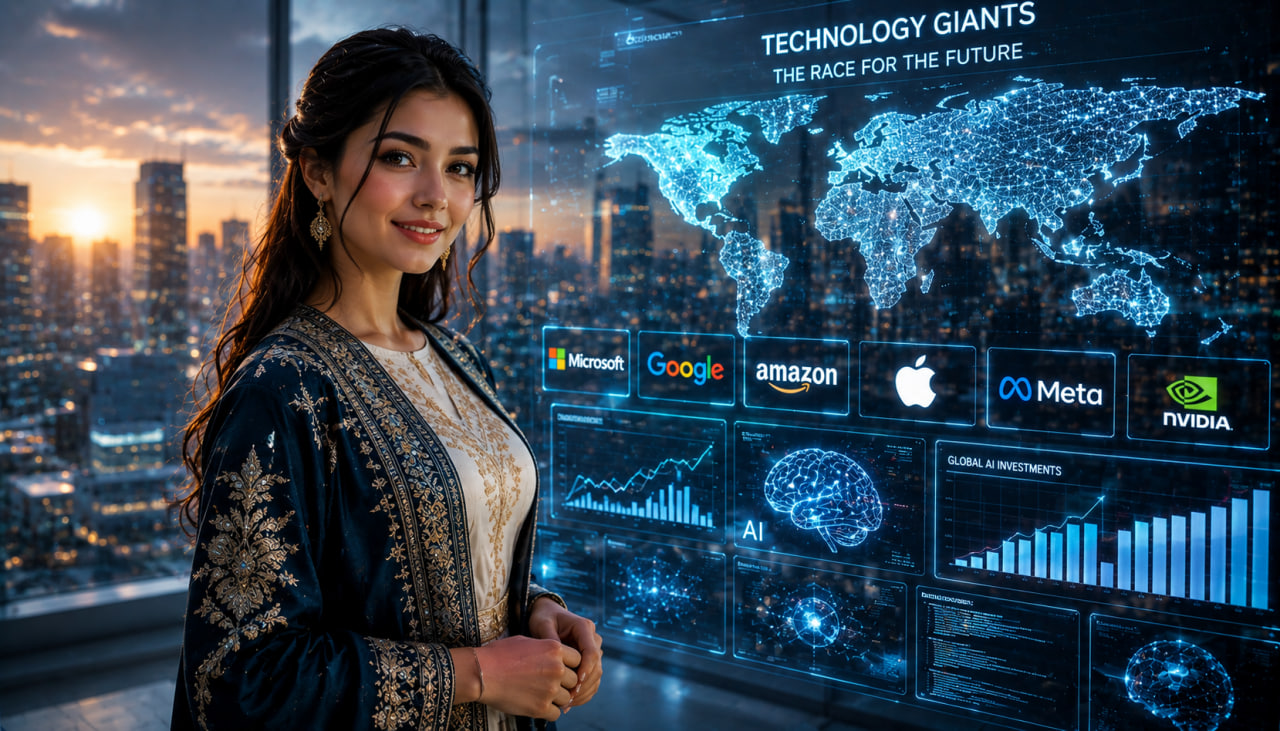
The global technology industry is entering one of the most competitive periods in modern history. Artificial intelligence, cloud computing, semiconductors, robotics, quantum research, and digital infrastructure are now driving a massive race between the world’s largest technology companies. What makes this competition unique is scale. The leading corporations are investing hundreds of billions of dollars into AI systems, cloud platforms, chips, autonomous technologies, and next-generation digital ecosystems. The outcome of this technological race may shape the global economy for decades. Today, the biggest competitors include: Microsoft OpenAI Google NVIDIA Amazon Apple Meta Tesla AMD Chinese technology giants such as Tencent, Alibaba, Huawei, and Baidu Each company dominates different areas of innovation, but artificial intelligence has become the central battlefield.

AI Meta-Trends: What Will Define Artificial Intelligence in the Next 3–4 Years?
Smart Technologies Creative Arts AI in Media Production

AI Meta-Trends: What Will Define Artificial Intelligence in the Next 3–4 Years?

Artificial intelligence is entering a new phase of development. The first wave of AI adoption focused mainly on chatbots, image generation, and productivity tools. But over the next three to four years, the industry is expected to evolve far beyond simple assistants and content generation. The biggest changes will come from large-scale structural trends — or meta-trends — that reshape how AI interacts with business, infrastructure, software, governments, and daily human life. These trends are already forming today, but by the end of the decade they may fundamentally transform the global economy. The future of AI is no longer only about smarter models. It is increasingly about autonomy, integration, physical-world interaction, energy efficiency, regulation, and the merging of AI into every digital system.

ChatGPT: What Changed Over the Last Year?
Smart Technologies Creative Arts Customer Experience

ChatGPT: What Changed Over the Last Year?

Over the last year, ChatGPT changed from a conversational AI tool into a broader AI productivity platform. The biggest updates were not limited to one model upgrade. ChatGPT gained stronger reasoning, better personalization, deeper coding abilities, more connected apps, browser integration, improved memory, and more specialized experiences for work, research, and everyday tasks. For users, the practical difference is clear: ChatGPT is no longer only a place to ask questions. It is increasingly becoming a workspace where people can write, research, code, analyze files, summarize information, browse the web, use connected tools, and complete multi-step tasks.