AI in Space Exploration

How to Use Artificial Intelligence in Everyday Life and at Work
AI in Media Production AI for Content Creators AI in Cybersecurity

How to Use Artificial Intelligence in Everyday Life and at Work

Artificial intelligence has moved from a specialist technology into an everyday tool. It can help write emails, summarize documents, organize projects, analyze information, plan trips, learn new skills, compare products, prepare presentations, improve customer service, and even help drivers understand electric-vehicle charging or maintenance data.
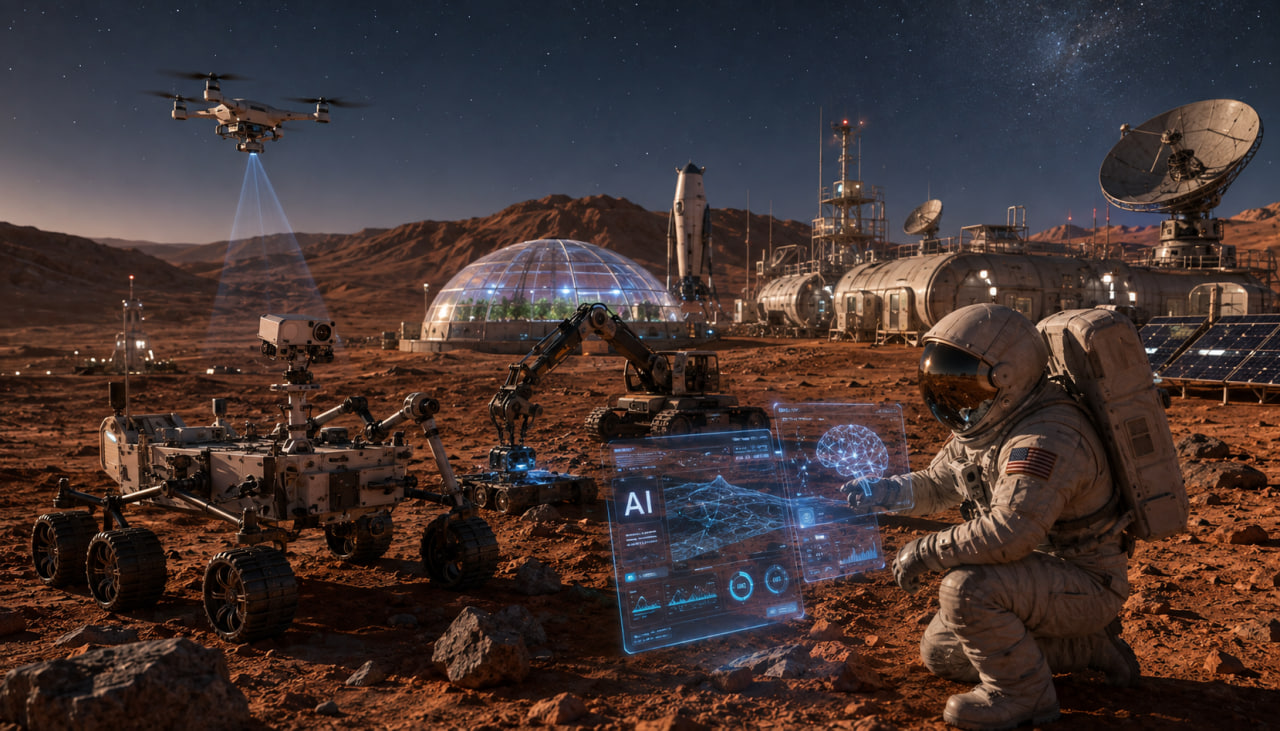

AI and Space Exploration: How Artificial Intelligence Will Help Humanity Reach Other Planets
Applications Smart Technologies AI in Space Exploration

AI and Space Exploration: How Artificial Intelligence Will Help Humanity Reach Other Planets

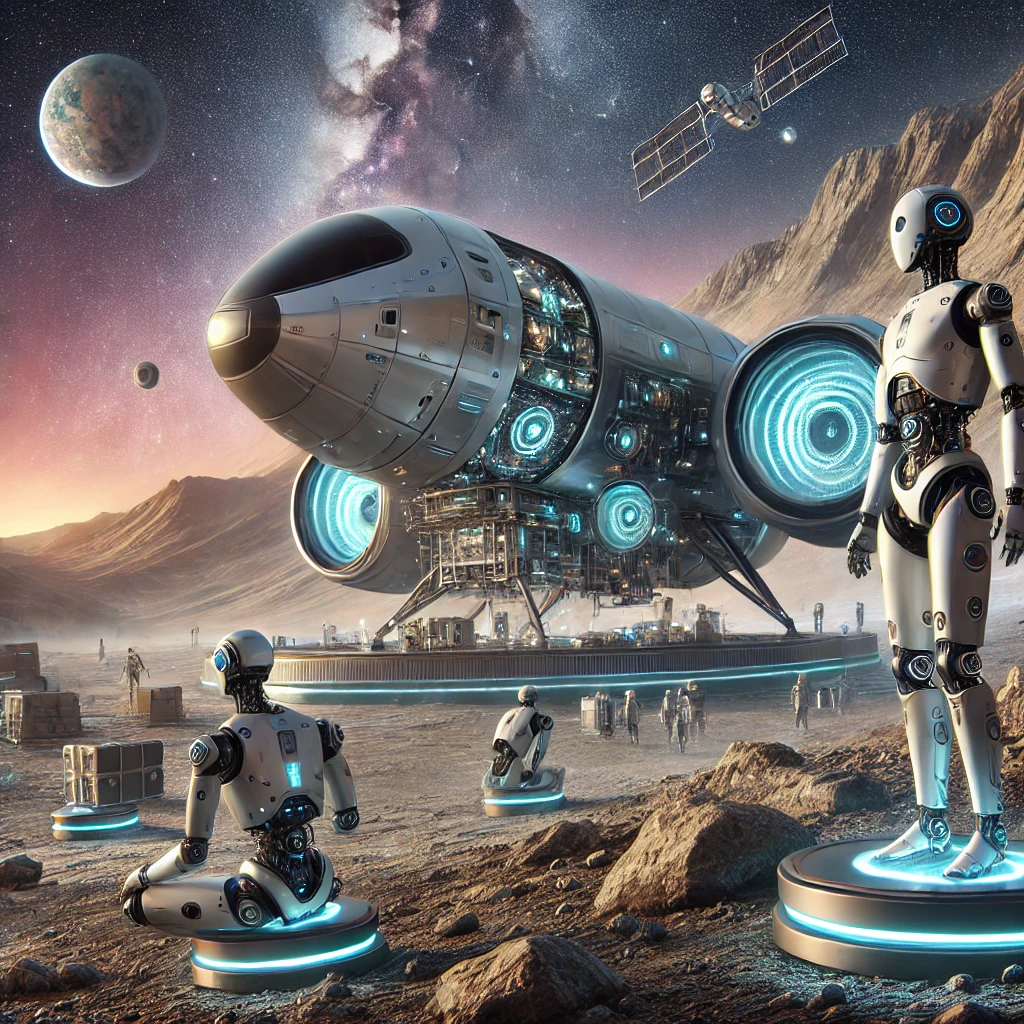
Artificial intelligence is becoming one of the most important technologies in the future of space exploration. As missions travel farther from Earth, spacecraft, robots, and astronauts will face long communication delays, dangerous environments, limited resources, and situations that cannot be managed instantly by mission control.

How to Choose the Right AI Model for Work and Home
AI in Media Production AI for Content Creators AI in Cybersecurity

How to Choose the Right AI Model for Work and Home

Artificial intelligence tools are becoming part of everyday life. People now use AI for writing, research, coding, studying, content creation, business automation, and even home organization. But with so many options available, choosing the right AI model can feel confusing. Some AI systems are designed for professional productivity. Others focus on creativity, automation, coding, or casual everyday tasks. The best choice depends on how you plan to use AI in your daily life. Today, selecting the right neural network is no longer just about finding the “smartest” model. It is about choosing the system that fits your workflow, budget, privacy needs, and technical requirements.

Supervised vs Unsupervised Learning: Key Concepts Explained
AI in Media Production AI for Content Creators AI in Cybersecurity

Supervised vs Unsupervised Learning: Key Concepts Explained

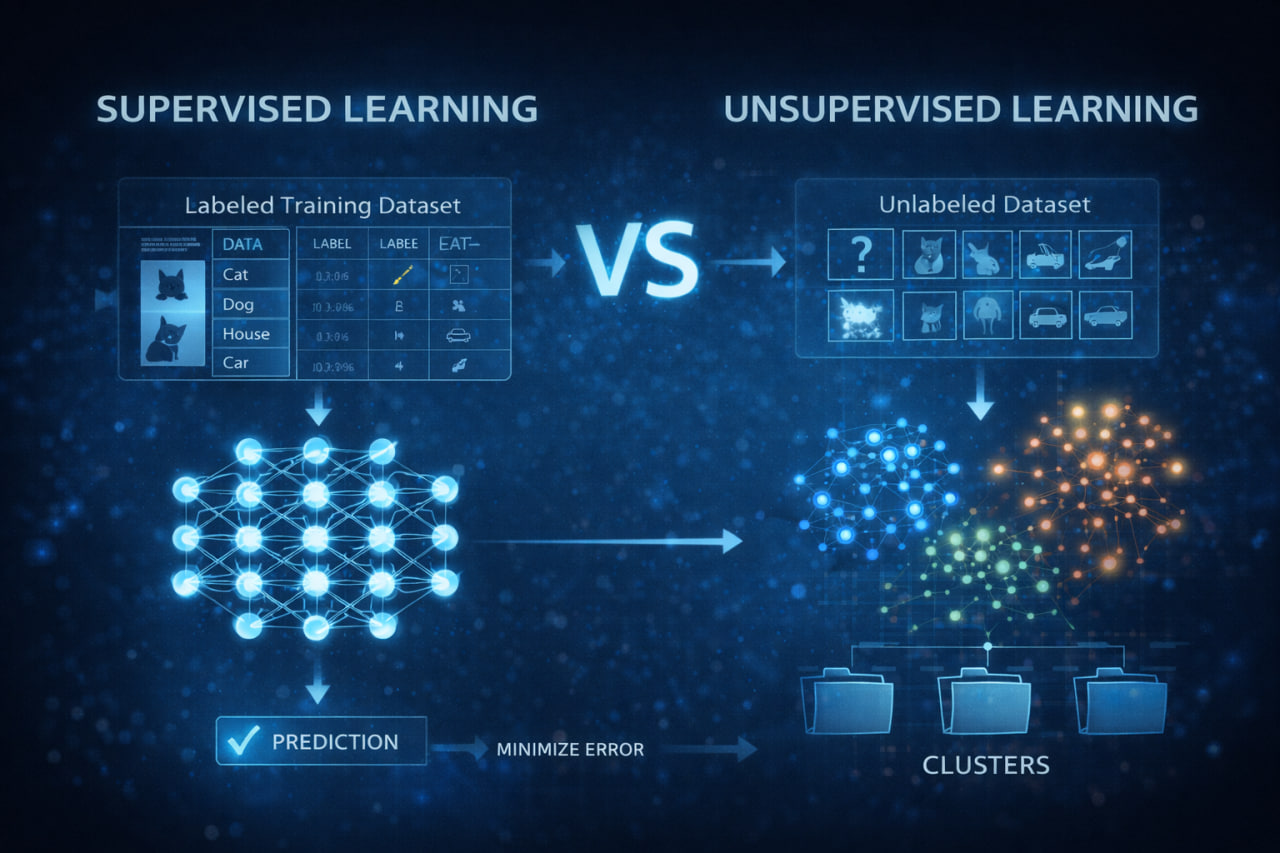
Machine learning systems learn from data, but how they learn depends on the structure of that data and the goals defined by humans. Two foundational approaches dominate this landscape: supervised learning and unsupervised learning. While both aim to uncover patterns and generate useful insights, they differ fundamentally in data requirements, learning mechanisms, and real-world applications. Understanding these approaches is essential for grasping how modern AI systems are built, evaluated, and deployed across industries.

From Patterns to Principles: Can GPT Help Us Discover New Laws of Nature?
Education and training Applications Smart Technologies

From Patterns to Principles: Can GPT Help Us Discover New Laws of Nature?

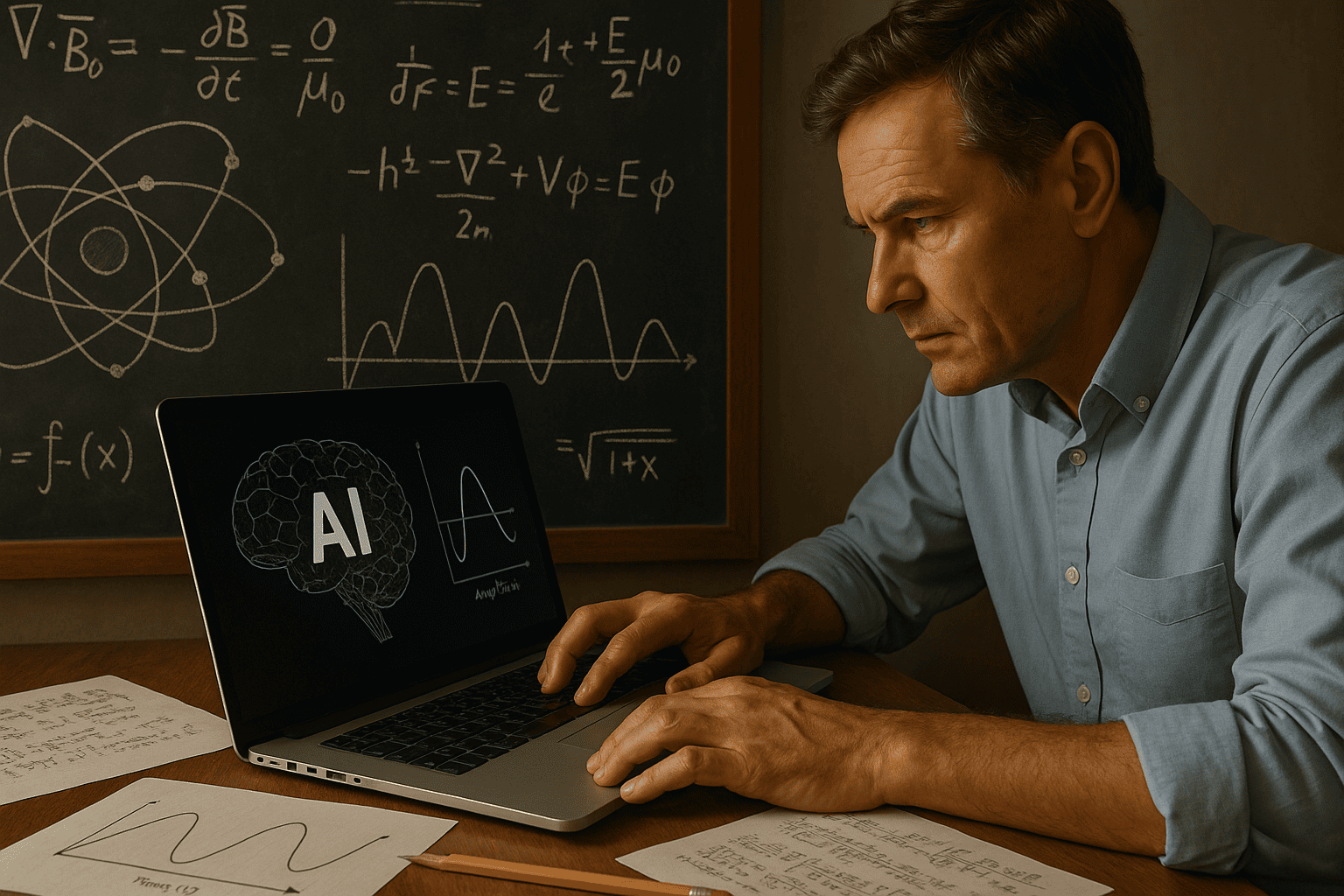
Science advances when patterns become principles—when messy observations crystallize into equations, models, and mechanisms. GPT-class systems are astonishing at finding and articulating patterns across oceans of text and data. But can a language model really help uncover new laws of nature? This article explores where GPT meaningfully accelerates discovery, where it hits hard limits, and how human curiosity and judgment remain indispensable—even in an age of smart machines.

Orbital Intelligence: How AI Guides Satellites, Rovers, and the Future of Space Operations
Applications Smart Technologies Ethics

Orbital Intelligence: How AI Guides Satellites, Rovers, and the Future of Space Operations

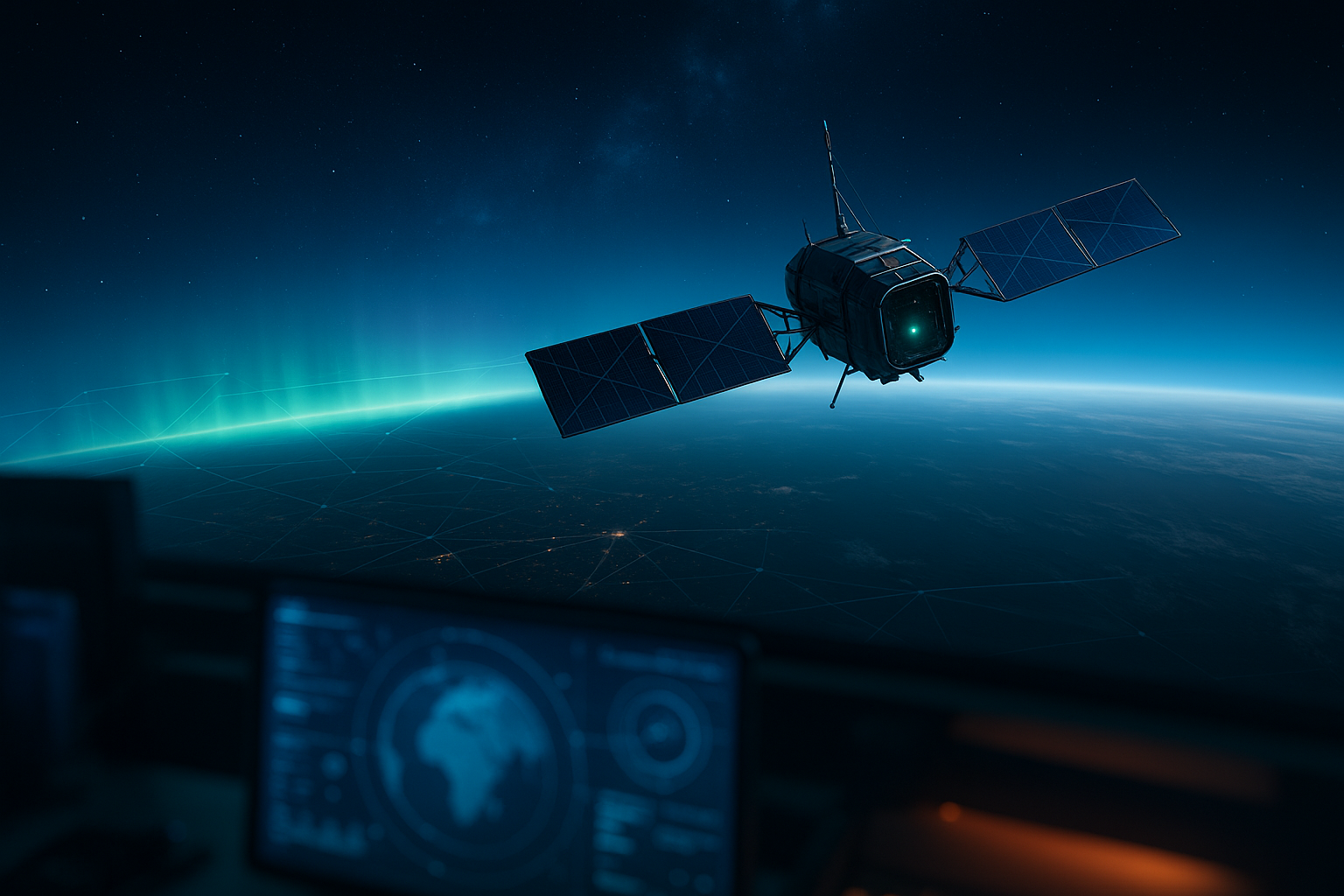
Artificial intelligence has quietly become mission-critical infrastructure for space. What began as ground-based analytics that tagged clouds or stitched images has evolved into onboard autonomy that decides what to observe, how to navigate, when to talk to Earth, and how to keep hardware alive millions of kilometers away. From swarms of Earth-observation satellites to exploratory rovers on hostile terrain, AI is reshaping how we plan, fly, and sustain missions under extreme constraints.

The Role of AI in Space Exploration: How GPT is Assisting NASA and Beyond
Smart Technologies Automation AI in Space Exploration

The Role of AI in Space Exploration: How GPT is Assisting NASA and Beyond

Space exploration has always been at the forefront of technological innovation. From landing on the moon to exploring distant planets, humanity’s quest to understand the cosmos continues to push the boundaries of science and engineering. Today, artificial intelligence (AI) is revolutionizing the way we explore space. With its advanced data processing capabilities and predictive algorithms, AI is enhancing mission planning, automating data analysis, and supporting astronauts in unprecedented ways.