
Gaming

Tabletop to AAA: Procedural Worlds and Living NPCs with GPT
Applications Smart Technologies Gaming

Tabletop to AAA: Procedural Worlds and Living NPCs with GPT

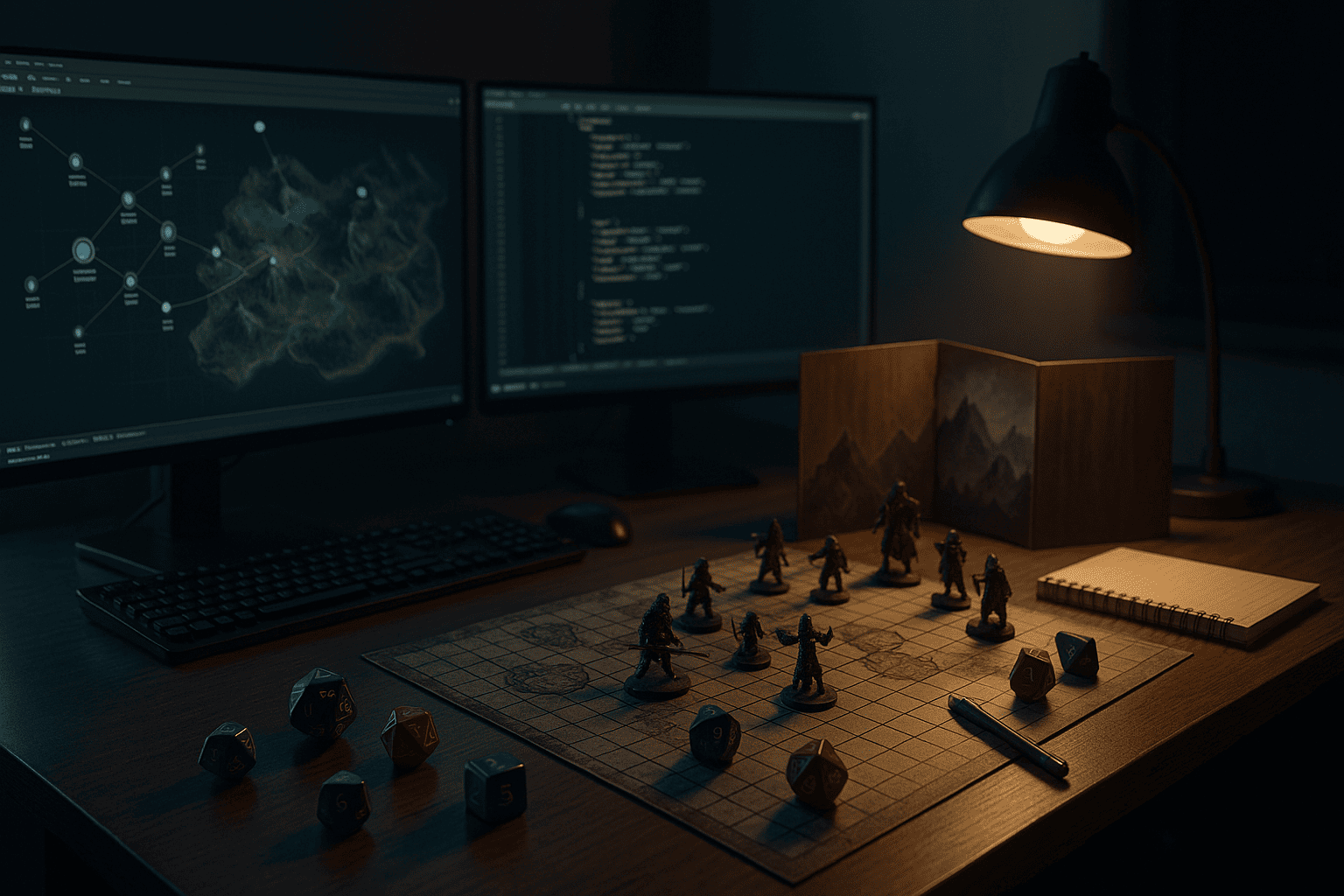
Games have always chased the dream of worlds that feel alive. With GPT-class models, that dream moves from scripted illusion to responsive simulation: characters that converse, remember, and change; quests that adapt to the state of the world; and tabletop sessions where an AI can co-GM without stealing the spotlight. This guide shows how to use GPT to build procedural worlds and believable NPCs across the spectrum—from indie tabletop tools to large-scale AAA pipelines—while keeping performance, safety, and player agency front and center.
From NPCs to Game Masters: How GPT Is Transforming Video Games and Tabletop Play
Applications Smart Technologies Gaming

From NPCs to Game Masters: How GPT Is Transforming Video Games and Tabletop Play

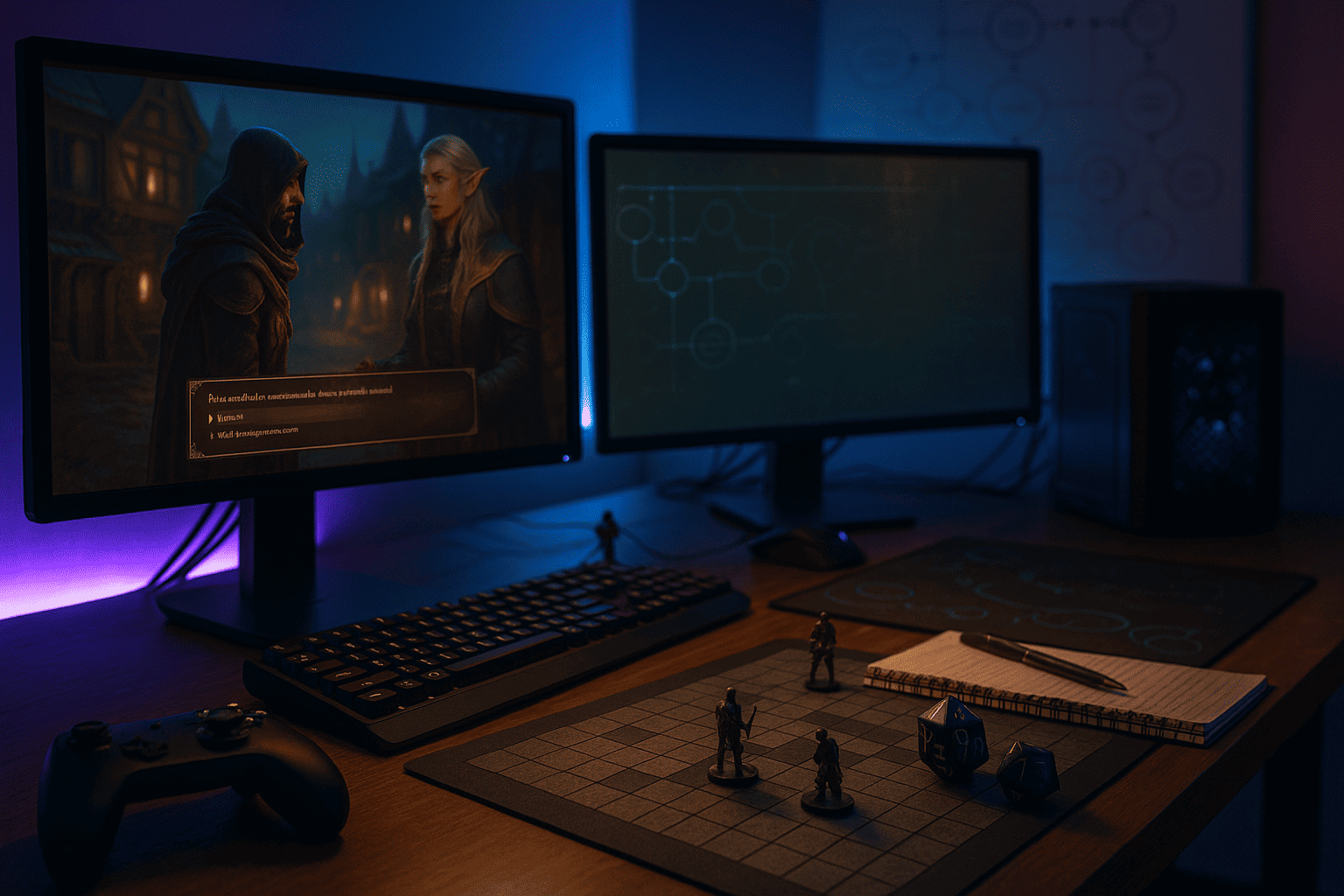
Artificial intelligence has always haunted the edges of game design, from pathfinding enemies to procedural maps. GPT-style language models have pushed that horizon into the heart of play itself. They write, improvise, remember, negotiate, and role-play—capabilities that let games feel less scripted and more like living stories. This article explores how GPT reshapes video games and tabletop experiences today, and how to build with it responsibly and creatively.

AI in Gaming: Crafting Realistic Worlds and Dynamic Characters for Immersive Experiences
Gaming

AI in Gaming: Crafting Realistic Worlds and Dynamic Characters for Immersive Experiences

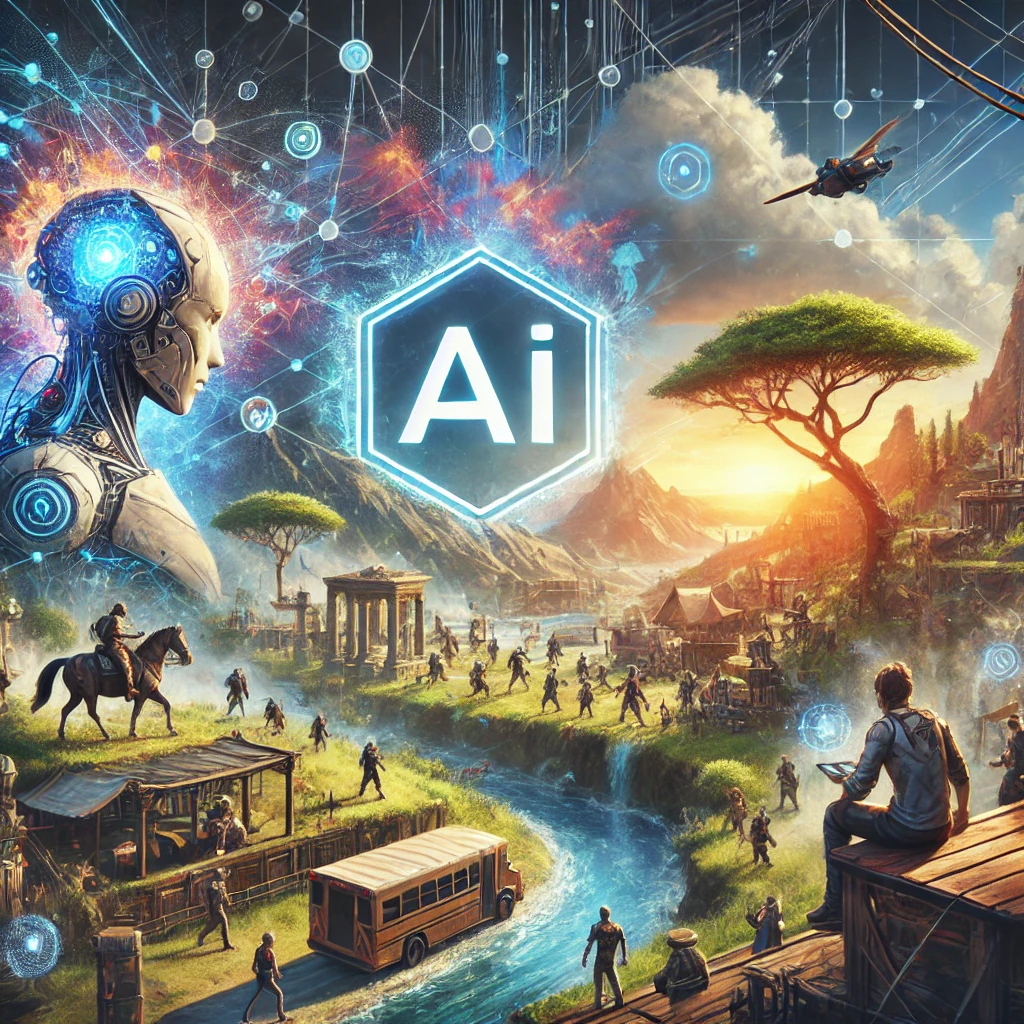
Artificial intelligence (AI) has become a transformative force in the gaming industry, enabling the creation of realistic worlds and dynamic characters that enhance player experiences. The integration of AI into game development has revolutionized how games are designed, played, and perceived, pushing the boundaries of what is possible in interactive entertainment. AI plays a crucial role in crafting immersive and lifelike game environments. Procedural generation, powered by AI algorithms, allows developers to create vast, intricate worlds that adapt to player interactions. This technique not only saves time but also ensures that each player's experience is unique. Games like "No Man’s Sky" and "Minecraft" use procedural generation to build expansive landscapes, populated with diverse flora, fauna, and geological features.