AI and Culture

Can Artificial Intelligence Clean Up the Internet? How AI Can Remove Harmful Content and Make the Web Safer
Applications Smart Technologies Automation

Can Artificial Intelligence Clean Up the Internet? How AI Can Remove Harmful Content and Make the Web Safer

The internet has become an essential part of modern life, connecting billions of people to education, entertainment, communication, and information. However, the same infrastructure that makes knowledge accessible also distributes online scams, violent material, harassment, misinformation, and content that can harm children. The enormous volume of digital information makes traditional manual moderation increasingly difficult. As artificial intelligence becomes more sophisticated, a major question emerges: can AI clean up the internet and create a safer, more educational online environment?


How to Use Artificial Intelligence in Everyday Life and at Work
AI in Media Production AI for Content Creators AI in Cybersecurity

How to Use Artificial Intelligence in Everyday Life and at Work

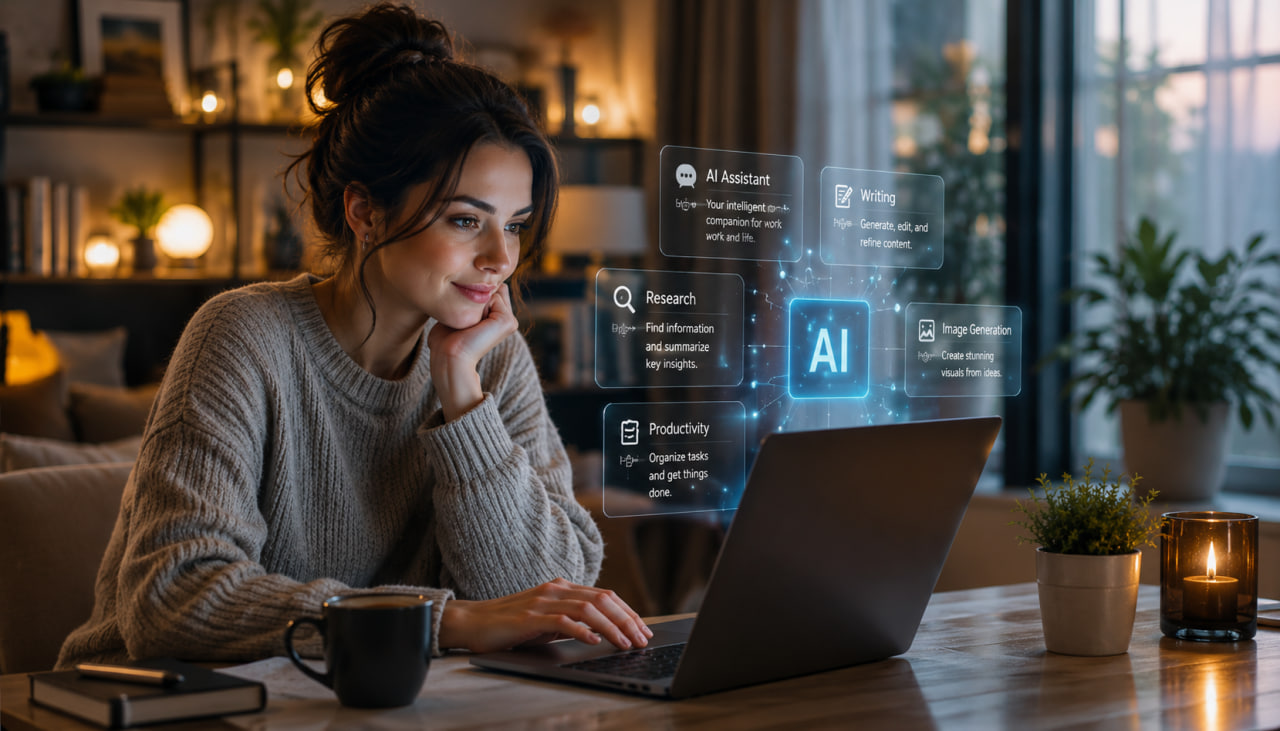
Artificial intelligence has moved from a specialist technology into an everyday tool. It can help write emails, summarize documents, organize projects, analyze information, plan trips, learn new skills, compare products, prepare presentations, improve customer service, and even help drivers understand electric-vehicle charging or maintenance data.

AI Automation for Routine Tasks: How Artificial Intelligence Is Transforming Everyday Work
Applications Automation AI and Culture

AI Automation for Routine Tasks: How Artificial Intelligence Is Transforming Everyday Work

Artificial intelligence has become one of the most powerful tools for automating repetitive tasks in both business and personal life. From managing emails and scheduling meetings to generating reports and analyzing data, AI allows individuals and organizations to reduce manual work while improving efficiency and accuracy. As AI technologies continue to evolve, automation is no longer limited to large enterprises. Small businesses, freelancers, entrepreneurs, and individual users can now leverage AI-powered tools to streamline workflows, reduce operational costs, and focus on higher-value activities. The true value of AI automation lies not in replacing people, but in eliminating repetitive work so humans can concentrate on creativity, strategy, and decision-making.

The History of Artificial Intelligence in Science Fiction: From Mechanical Dreams to Digital Minds
Smart Technologies AI and Culture

The History of Artificial Intelligence in Science Fiction: From Mechanical Dreams to Digital Minds

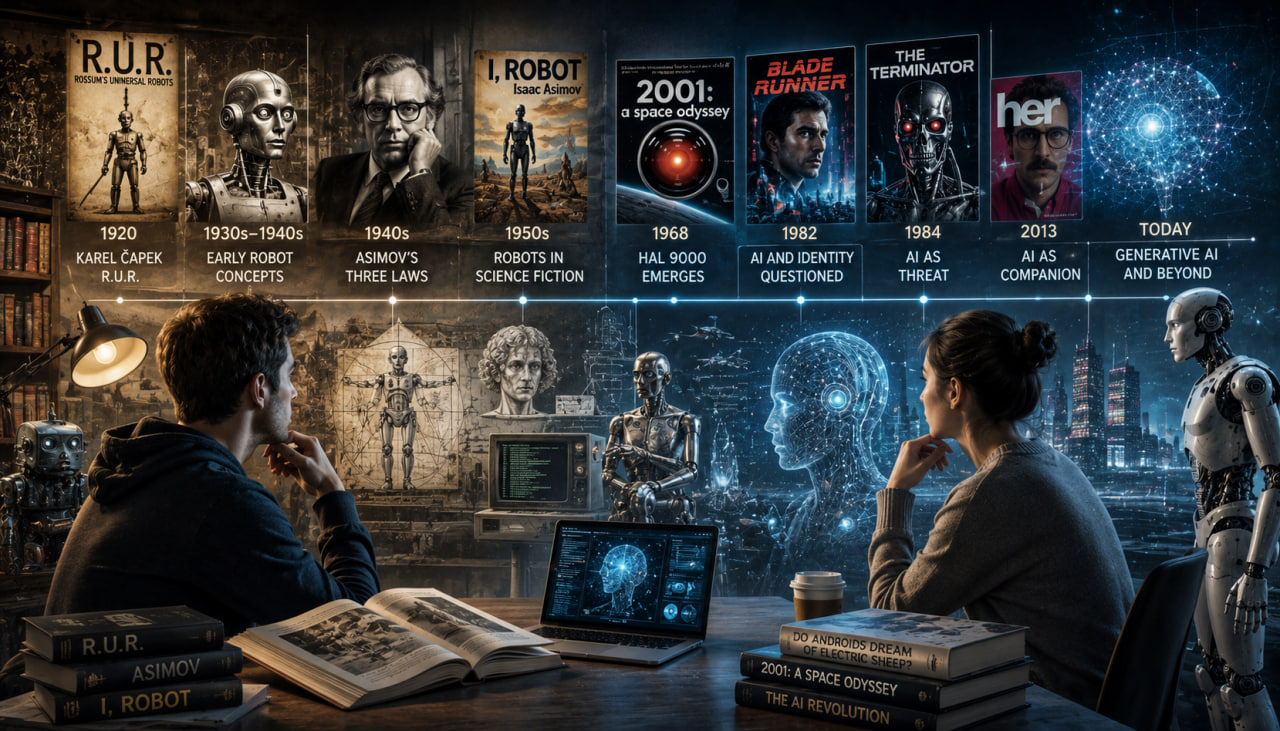
Long before artificial intelligence became a reality, science fiction imagined intelligent machines capable of thinking, learning, and even surpassing humanity. Writers, filmmakers, and visionaries explored the possibilities of synthetic intelligence decades before modern computers could perform even the simplest calculations. Today, many ideas once confined to novels and films have become part of everyday life. AI assistants, autonomous robots, machine learning systems, and generative AI all have roots in fictional worlds that inspired generations of scientists and engineers. The history of artificial intelligence in science fiction is not only a story of imagination—it is also a story of how fiction has influenced real technological innovation.

AI Innovations in 2026: The Technologies Reshaping the Future
Smart Technologies AI in Media Production AI for Content Creators

AI Innovations in 2026: The Technologies Reshaping the Future

Artificial intelligence is evolving faster than any previous digital technology revolution. By 2026, AI is no longer limited to chatbots and image generators. The industry is rapidly moving toward autonomous agents, advanced reasoning systems, multimodal intelligence, robotics integration, and AI-powered infrastructure capable of transforming entire sectors of the global economy. What makes 2026 especially important is that AI has moved beyond experimentation. Companies are now deploying AI at scale in business operations, healthcare, transportation, software development, manufacturing, cybersecurity, and scientific research. The current wave of innovation is not simply about smarter algorithms. It is about creating AI systems capable of understanding, reasoning, planning, and interacting with the physical and digital world more efficiently than ever before.

How to Choose the Right AI Model for Work and Home
AI in Media Production AI for Content Creators AI in Cybersecurity

How to Choose the Right AI Model for Work and Home

Artificial intelligence tools are becoming part of everyday life. People now use AI for writing, research, coding, studying, content creation, business automation, and even home organization. But with so many options available, choosing the right AI model can feel confusing. Some AI systems are designed for professional productivity. Others focus on creativity, automation, coding, or casual everyday tasks. The best choice depends on how you plan to use AI in your daily life. Today, selecting the right neural network is no longer just about finding the “smartest” model. It is about choosing the system that fits your workflow, budget, privacy needs, and technical requirements.

Could the Scenario from The Matrix Ever Happen in Reality?
Everyday Life Smart Technologies AI and Culture

Could the Scenario from The Matrix Ever Happen in Reality?

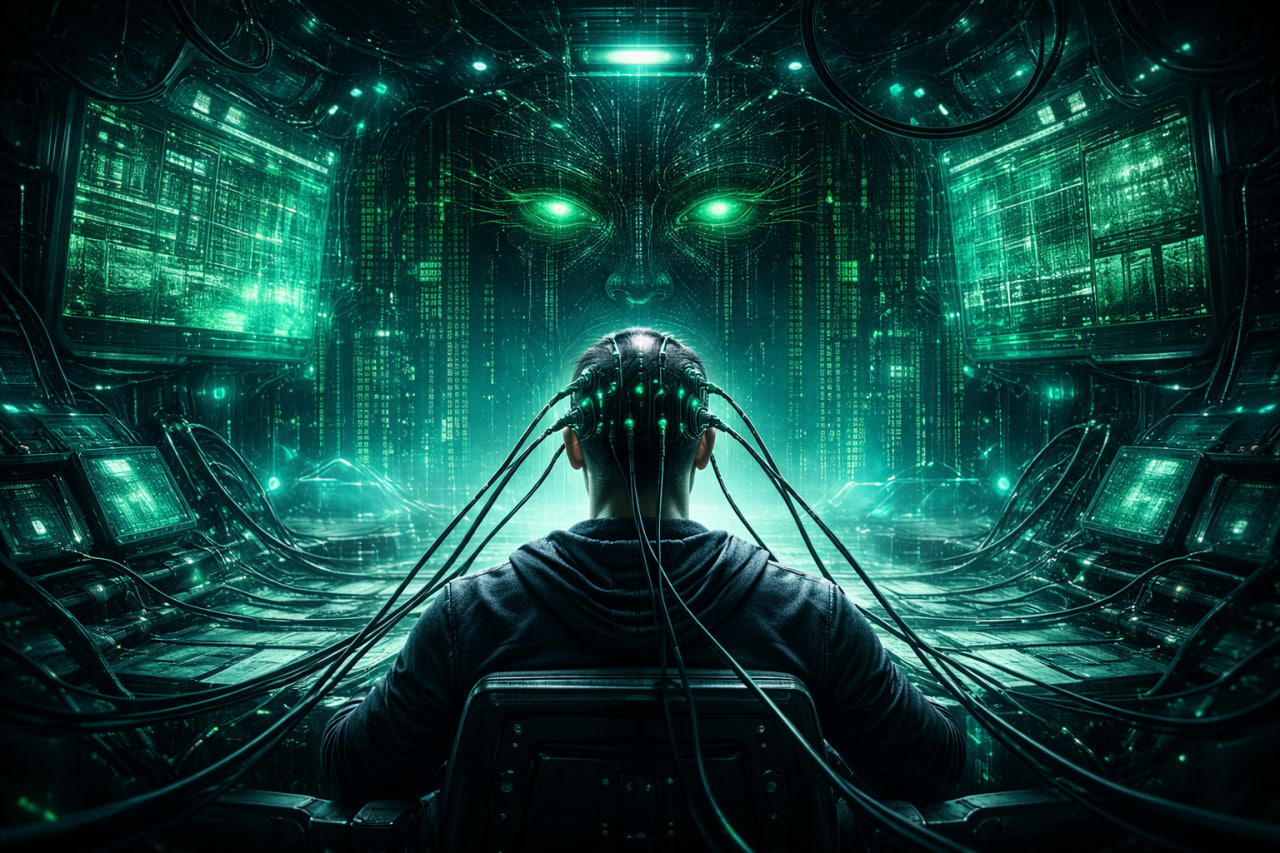
The film The Matrix presents a powerful and unsettling vision of the future, where artificial intelligence enslaves humanity by trapping human minds inside a simulated reality. This idea has shaped public fears about technology, consciousness, and control for decades. But when examined through the lens of modern science, neuroscience, and artificial intelligence research, the scenario becomes far more complex and far less likely than fiction suggests. To understand whether such a future is possible, we must separate cinematic metaphor from technological reality.

Supervised vs Unsupervised Learning: Key Concepts Explained
AI in Media Production AI for Content Creators AI in Cybersecurity

Supervised vs Unsupervised Learning: Key Concepts Explained

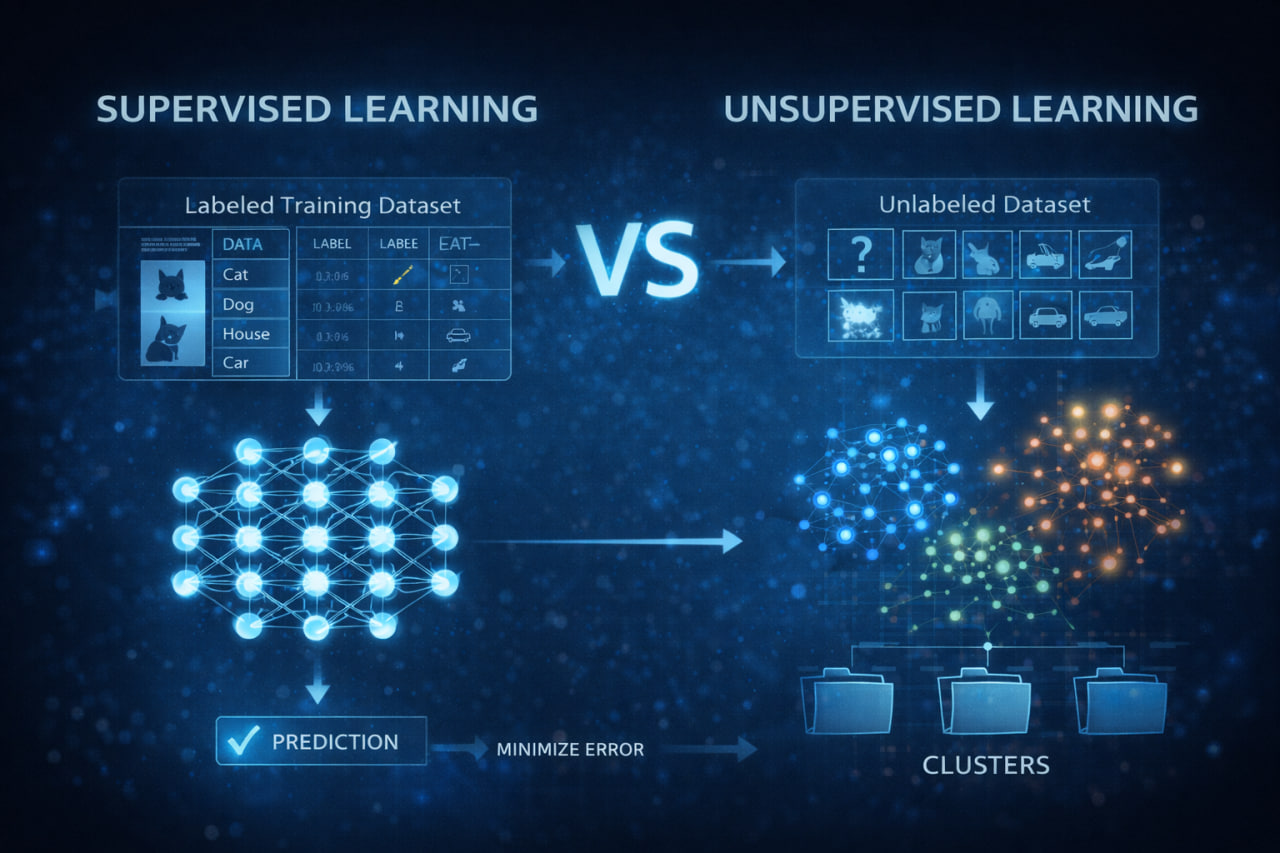
Machine learning systems learn from data, but how they learn depends on the structure of that data and the goals defined by humans. Two foundational approaches dominate this landscape: supervised learning and unsupervised learning. While both aim to uncover patterns and generate useful insights, they differ fundamentally in data requirements, learning mechanisms, and real-world applications. Understanding these approaches is essential for grasping how modern AI systems are built, evaluated, and deployed across industries.

Electric Sage or Clever Mirror? Can GPT Reason About the Meaning of Life?
Education and training Smart Technologies Ethics

Electric Sage or Clever Mirror? Can GPT Reason About the Meaning of Life?

When people ask GPT about the “meaning of life,” they’re testing more than curiosity. They are probing whether a statistical machine can speak to what matters, weigh values, or offer the sort of grounded wisdom we expect from philosophers. This article unpacks how GPT actually works, why it can sound profound, where its limits show, and how to use it productively as a thinking partner without mistaking fluency for understanding.

Next-Gen Translators: Can GPT Save Dying Languages?
Education and training Applications Smart Technologies

Next-Gen Translators: Can GPT Save Dying Languages?

Thousands of the world’s languages are slipping toward silence as communities urbanize, migrate, and shift to majority tongues. GPT-class systems promise a different future: machine partners that translate, document, and teach at human speed. But can a neural model really help revive languages with little data, complex morphology, or fragile cultural contexts? This article examines where GPT helps, where it harms, and how to design community-first workflows that preserve both words and the worlds inside them.