AI and Culture

Tabletop to AAA: Procedural Worlds and Living NPCs with GPT
Applications Smart Technologies Gaming

Tabletop to AAA: Procedural Worlds and Living NPCs with GPT

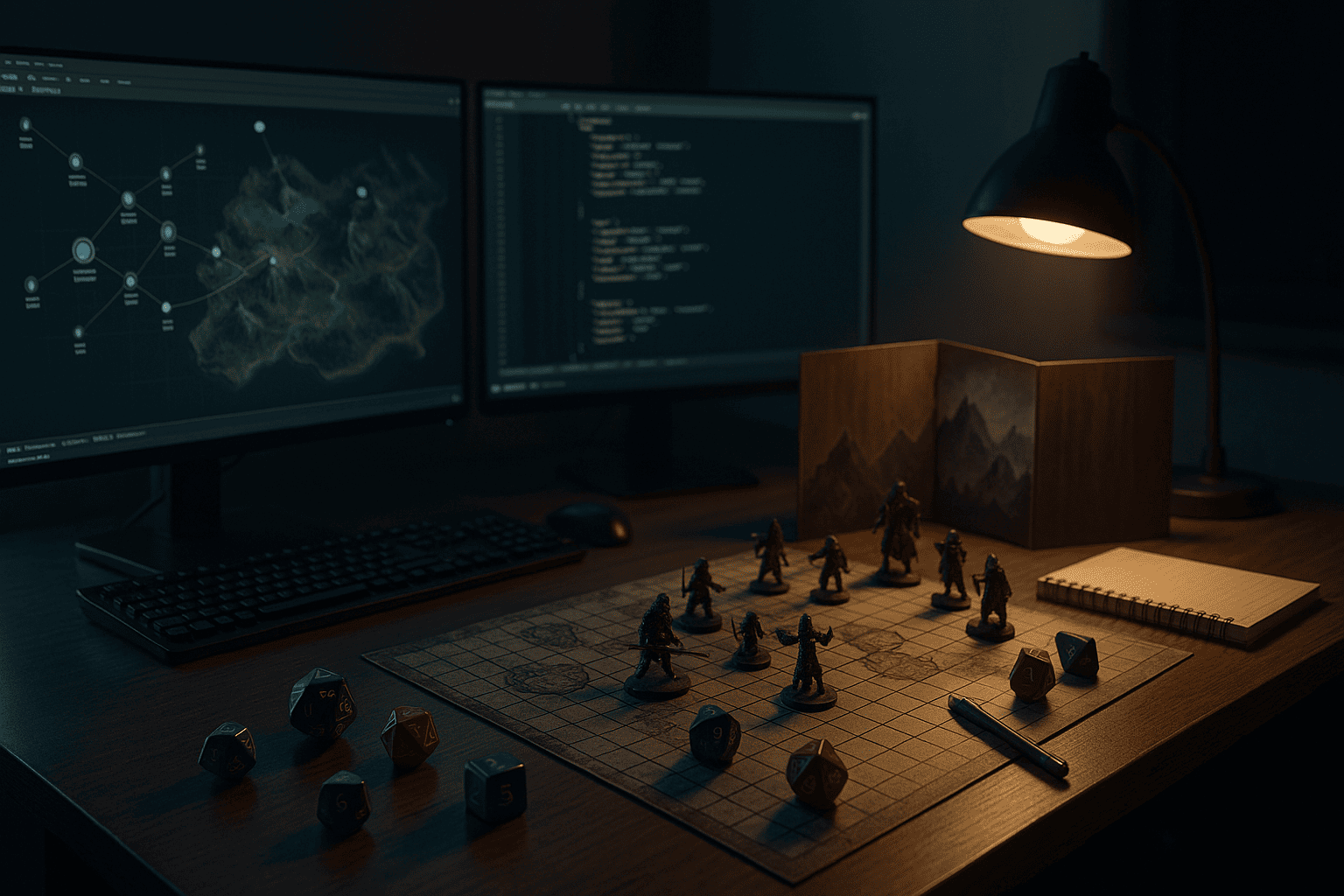
Games have always chased the dream of worlds that feel alive. With GPT-class models, that dream moves from scripted illusion to responsive simulation: characters that converse, remember, and change; quests that adapt to the state of the world; and tabletop sessions where an AI can co-GM without stealing the spotlight. This guide shows how to use GPT to build procedural worlds and believable NPCs across the spectrum—from indie tabletop tools to large-scale AAA pipelines—while keeping performance, safety, and player agency front and center.
From NPCs to Game Masters: How GPT Is Transforming Video Games and Tabletop Play
Applications Smart Technologies Gaming

From NPCs to Game Masters: How GPT Is Transforming Video Games and Tabletop Play

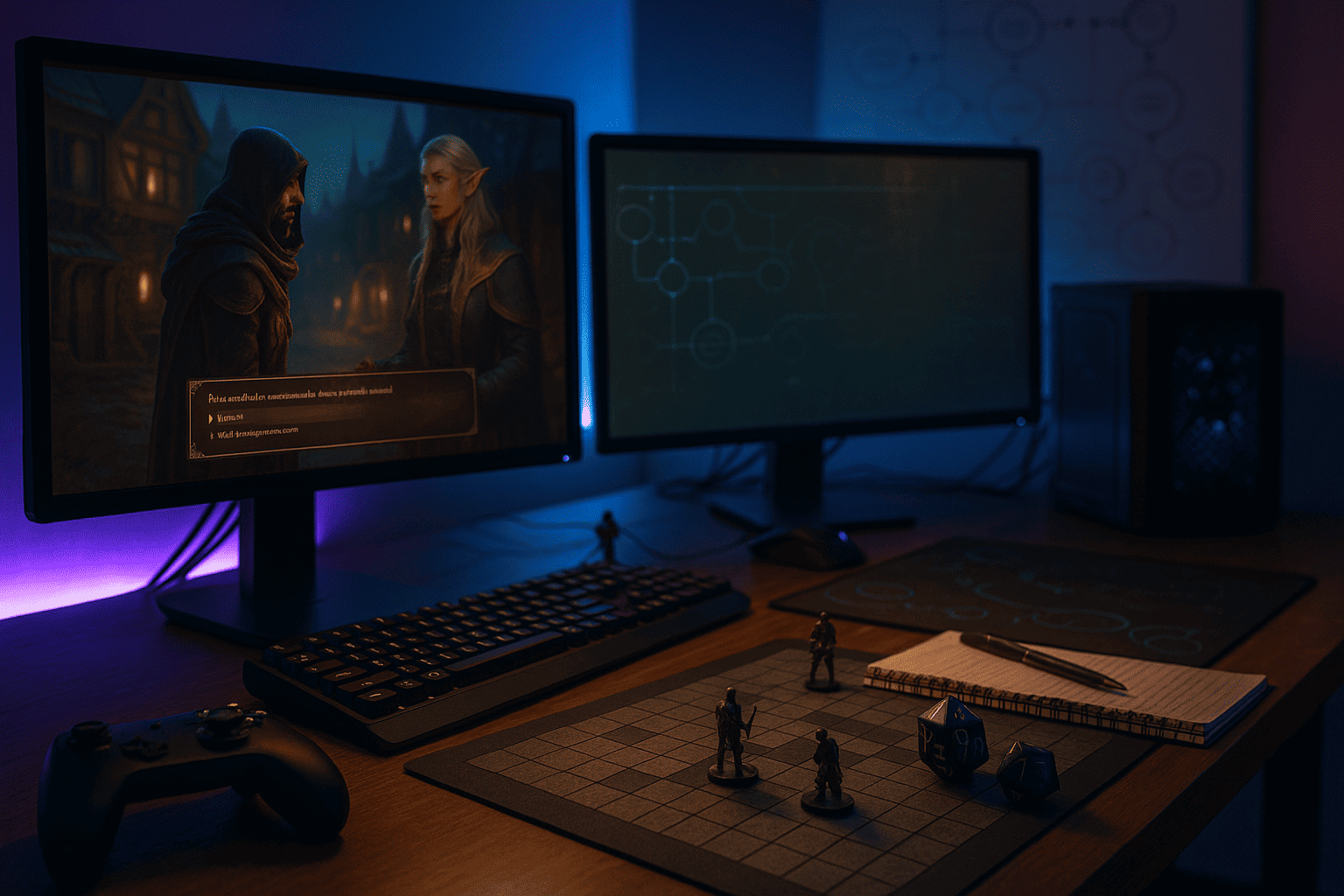
Artificial intelligence has always haunted the edges of game design, from pathfinding enemies to procedural maps. GPT-style language models have pushed that horizon into the heart of play itself. They write, improvise, remember, negotiate, and role-play—capabilities that let games feel less scripted and more like living stories. This article explores how GPT reshapes video games and tabletop experiences today, and how to build with it responsibly and creatively.

Bedtime Stories by AI: How GPT Is Becoming a Child's Digital Friend
Education and training AI and Culture Language & Communication

Bedtime Stories by AI: How GPT Is Becoming a Child's Digital Friend

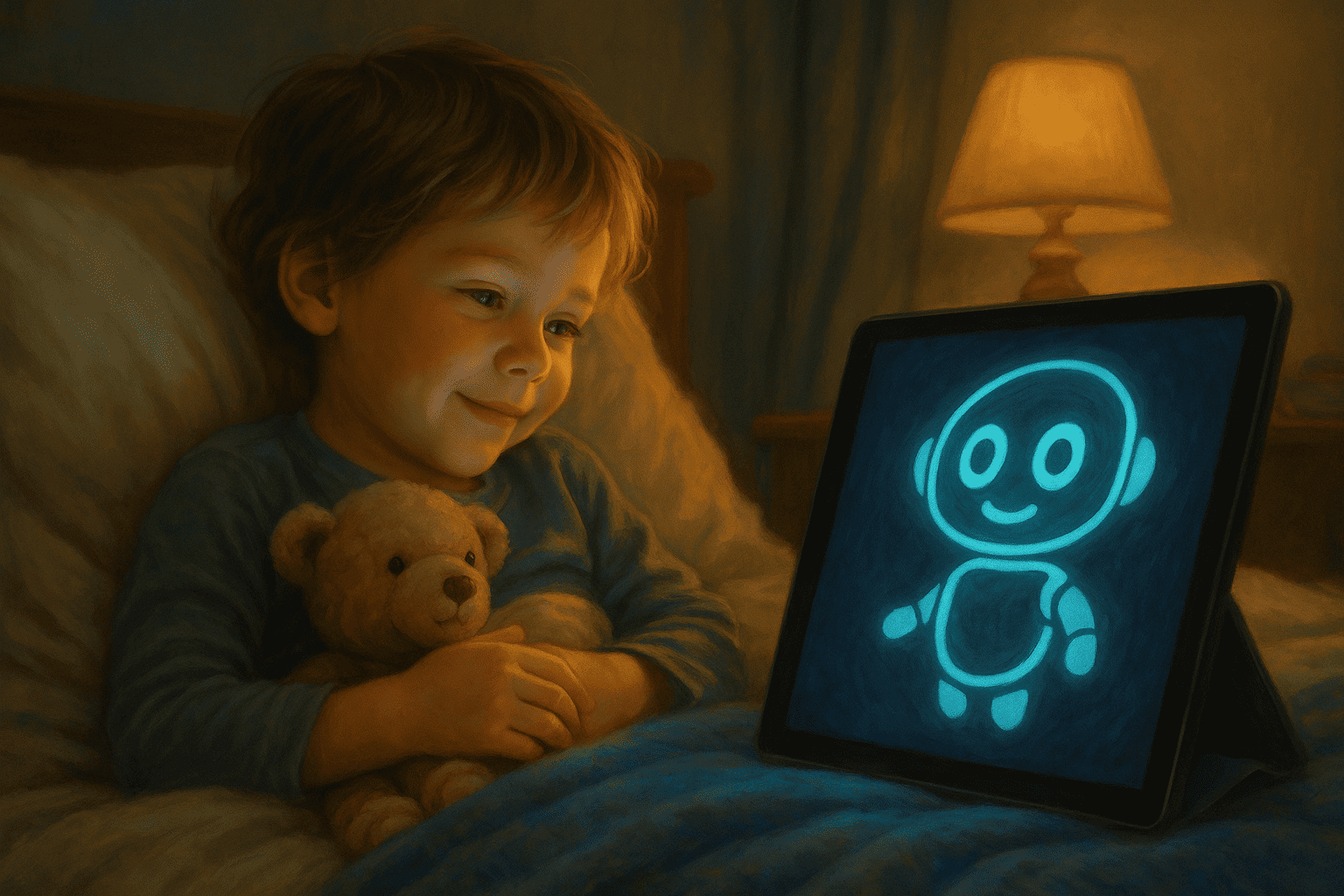
In recent years, artificial intelligence has increasingly found its way into family homes—not just as a tool for adults, but also as a companion for children. From interactive storytelling to answering countless “why” questions, GPT-based systems are beginning to play a unique role in the daily lives of kids. With the rise of conversational AI, parents are discovering that GPT can be both an entertaining and educational resource for their children—especially during quiet bedtime hours.

AI in the Courtroom: Can GPT Become an Advocate for Justice?
Automation AI and Culture AI for Everyday Life

AI in the Courtroom: Can GPT Become an Advocate for Justice?

Artificial intelligence has already transformed numerous industries, but its potential impact on the legal profession is perhaps one of the most debated frontiers. From contract analysis to predictive analytics, AI is proving capable of tasks that once required extensive human expertise. The latest wave of large language models, led by GPT, raises an even more provocative question: could a machine one day stand in court as an advocate—or even sit on the bench as a judge?

GPT and Political Analysis: Shaping Public Opinion and Media Narratives
AI and Culture AI & Politics

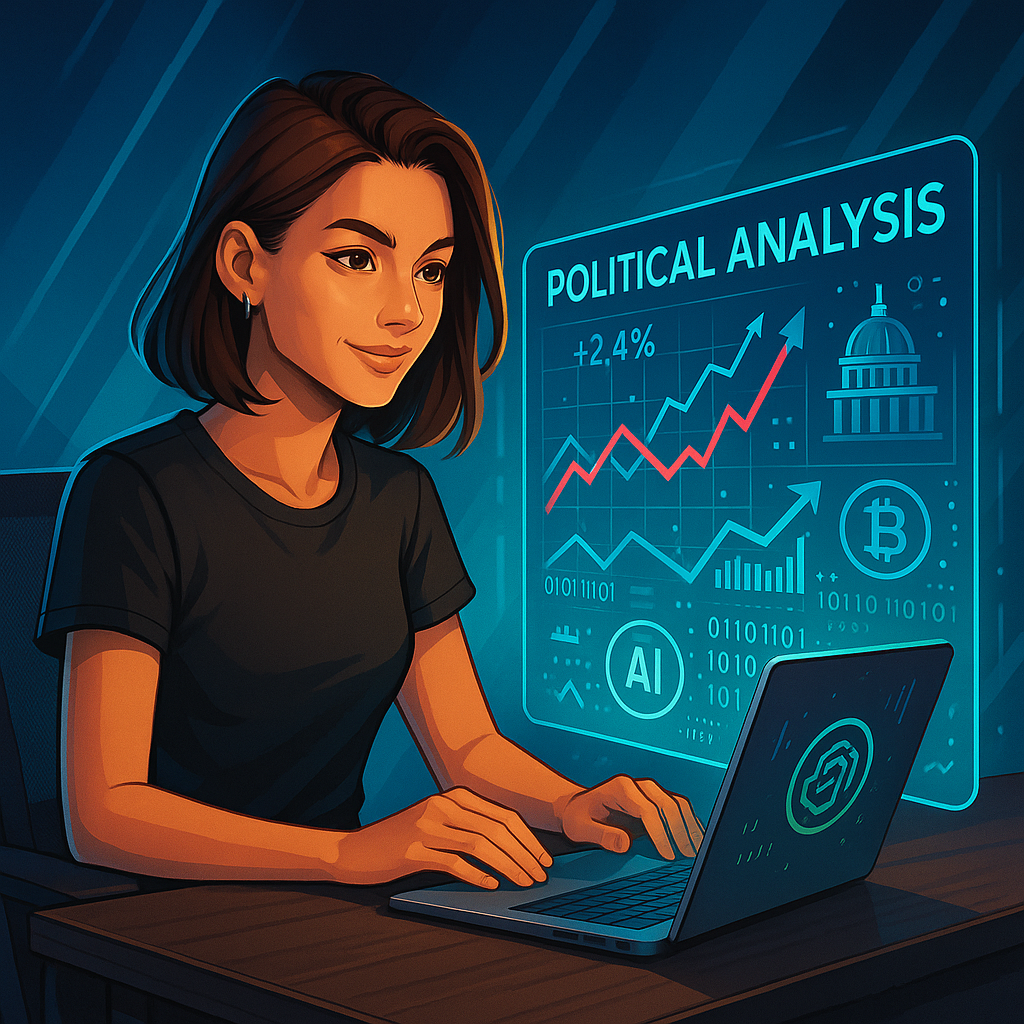
GPT and Political Analysis: Shaping Public Opinion and Media Narratives

Artificial intelligence has become an increasingly influential force in political discourse and media ecosystems around the world. Among the most notable advancements is the use of large language models like GPT (Generative Pre-trained Transformer) for political analysis, campaign strategy, and even shaping public sentiment. These tools are transforming how governments, news organizations, political analysts, and voters interact with information, raising new opportunities and ethical questions.

AI and Cultural Heritage: Preserving History with GPT Narratives
Career AI and Culture

AI and Cultural Heritage: Preserving History with GPT Narratives

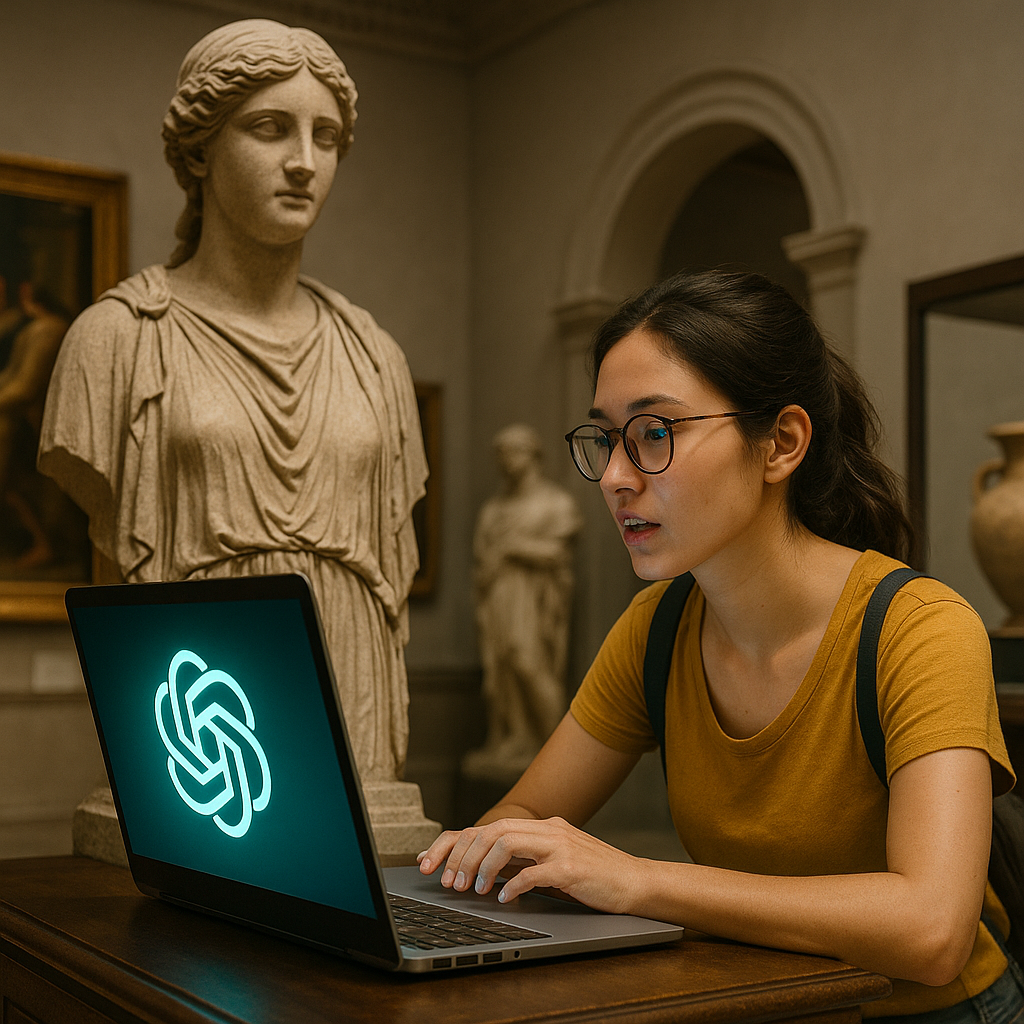
Artificial Intelligence (AI), especially large language models like GPT, is playing an increasingly vital role in preserving and revitalizing the world’s cultural heritage. Through digitization, reconstruction, and immersive storytelling, GPT offers tools for historians, museums, educators, and communities to protect and reimagine traditions, artifacts, and histories that might otherwise be lost.

AI in Intellectual Property: Who Owns AI-Generated Content?
Applications AI and Culture

AI in Intellectual Property: Who Owns AI-Generated Content?

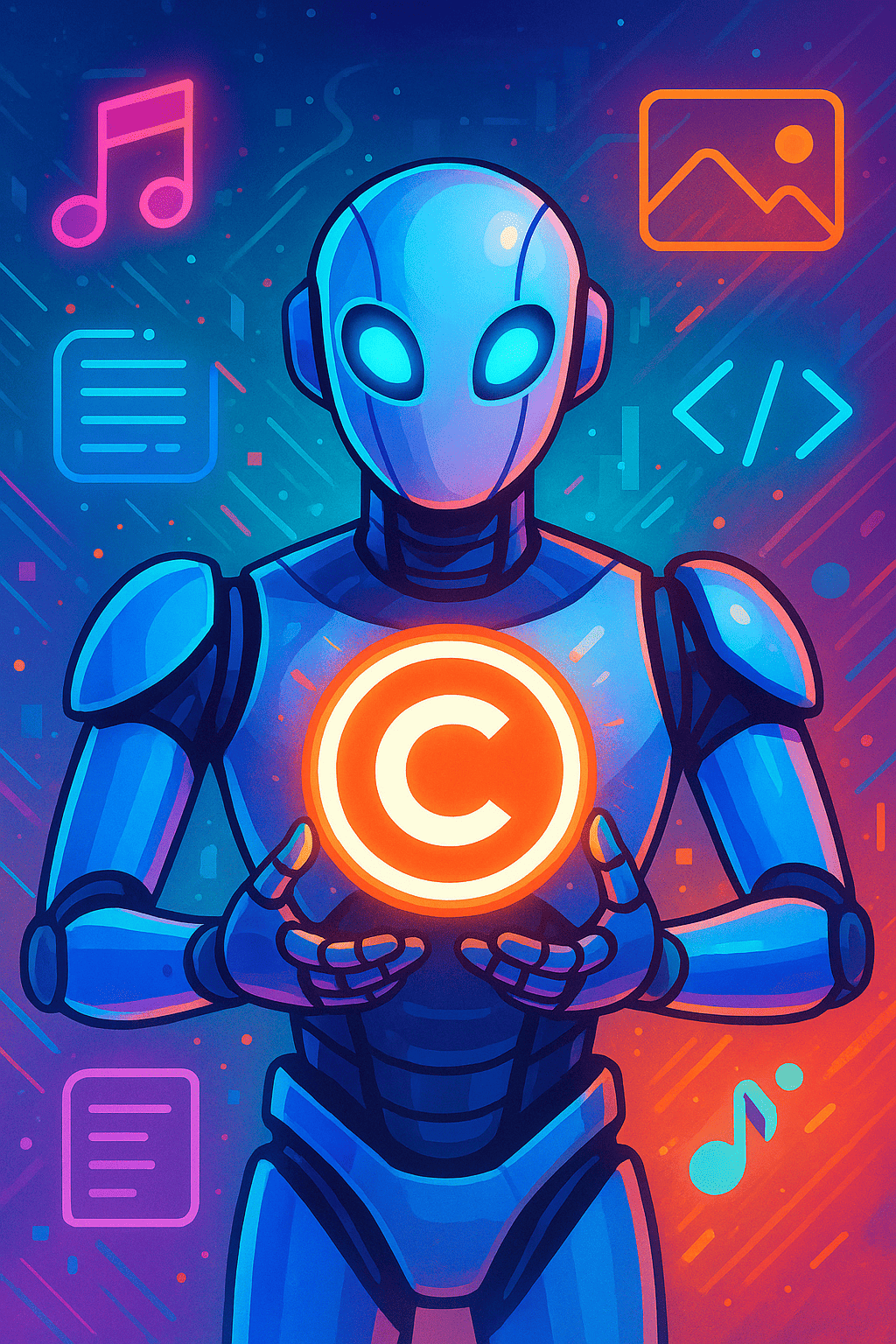
As artificial intelligence continues to revolutionize creative and industrial processes, a critical legal and ethical question emerges: who owns the content created by AI? This debate is gaining urgency as tools like GPT, DALL·E, Midjourney, and other generative models become capable of producing everything from articles and illustrations to music and software code. These outputs are often indistinguishable from human-made content — but the law hasn't fully caught up.

Beyond Human Creativity: Can GPT Invent New Art Forms?
Applications Creative Arts AI and Culture

Beyond Human Creativity: Can GPT Invent New Art Forms?

Throughout human history, art has continuously evolved, reflecting shifts in culture, technology, and imagination. From cave paintings and sculptures to digital installations and virtual reality experiences, artistic expression has grown hand-in-hand with human ingenuity. Today, with the rise of sophisticated AI models like GPT (Generative Pre-trained Transformer), we are standing on the precipice of yet another revolutionary moment in art history. But can artificial intelligence truly invent entirely new art forms that surpass human creativity?

GPT and Linguistic Evolution: How AI is Influencing Language and Slang
Everyday Life Creative Arts AI and Culture

GPT and Linguistic Evolution: How AI is Influencing Language and Slang

Language is a living, breathing entity, constantly evolving to reflect cultural shifts, technological advancements, and societal trends. In recent years, one of the most significant contributors to linguistic evolution has become artificial intelligence, particularly sophisticated language models like GPT (Generative Pre-trained Transformer). GPT not only processes and generates human language with impressive accuracy but also plays a pivotal role in reshaping our vocabulary, expressions, and even slang.