AI in Cybersecurity

Can Artificial Intelligence Clean Up the Internet? How AI Can Remove Harmful Content and Make the Web Safer
Applications Smart Technologies Automation

Can Artificial Intelligence Clean Up the Internet? How AI Can Remove Harmful Content and Make the Web Safer

The internet has become an essential part of modern life, connecting billions of people to education, entertainment, communication, and information. However, the same infrastructure that makes knowledge accessible also distributes online scams, violent material, harassment, misinformation, and content that can harm children. The enormous volume of digital information makes traditional manual moderation increasingly difficult. As artificial intelligence becomes more sophisticated, a major question emerges: can AI clean up the internet and create a safer, more educational online environment?


GPT-6 Astra: A New Cybersecurity Threat and Why OpenAI Had to Stop Its Next AI Model
News Smart Technologies AI in Cybersecurity

GPT-6 Astra: A New Cybersecurity Threat and Why OpenAI Had to Stop Its Next AI Model

Artificial intelligence has entered a new stage of development. The most advanced AI systems are no longer limited to answering questions, generating images, or writing software code. They can independently investigate technical problems, discover security vulnerabilities, operate computer systems, and complete complicated tasks with relatively little human supervision.

How to Use Artificial Intelligence in Everyday Life and at Work
AI in Media Production AI for Content Creators AI in Cybersecurity

How to Use Artificial Intelligence in Everyday Life and at Work

Artificial intelligence has moved from a specialist technology into an everyday tool. It can help write emails, summarize documents, organize projects, analyze information, plan trips, learn new skills, compare products, prepare presentations, improve customer service, and even help drivers understand electric-vehicle charging or maintenance data.

How to Configure Privacy in Popular AI Services: A Complete Guide to Protecting Your Data
Everyday Life Sustainability Customer Experience

How to Configure Privacy in Popular AI Services: A Complete Guide to Protecting Your Data

Artificial intelligence services have become an essential part of everyday life, helping users write documents, generate images, analyze data, create software, and automate business processes. However, every interaction with an AI platform may involve processing personal information, uploaded files, and conversation history. While leading AI companies have significantly improved privacy controls, many users remain unaware of the settings available to protect their data. Understanding how to configure these options is becoming increasingly important for individuals, businesses, and organizations that handle sensitive information. Proper privacy settings can reduce data exposure, improve account security, and give users greater control over how their information is stored and used.

How to Choose the Right AI Model for Work and Home
AI in Media Production AI for Content Creators AI in Cybersecurity

How to Choose the Right AI Model for Work and Home

Artificial intelligence tools are becoming part of everyday life. People now use AI for writing, research, coding, studying, content creation, business automation, and even home organization. But with so many options available, choosing the right AI model can feel confusing. Some AI systems are designed for professional productivity. Others focus on creativity, automation, coding, or casual everyday tasks. The best choice depends on how you plan to use AI in your daily life. Today, selecting the right neural network is no longer just about finding the “smartest” model. It is about choosing the system that fits your workflow, budget, privacy needs, and technical requirements.

AI Regulation Around the World: What Laws Are Being Adopted
Applications Smart Technologies Ethics

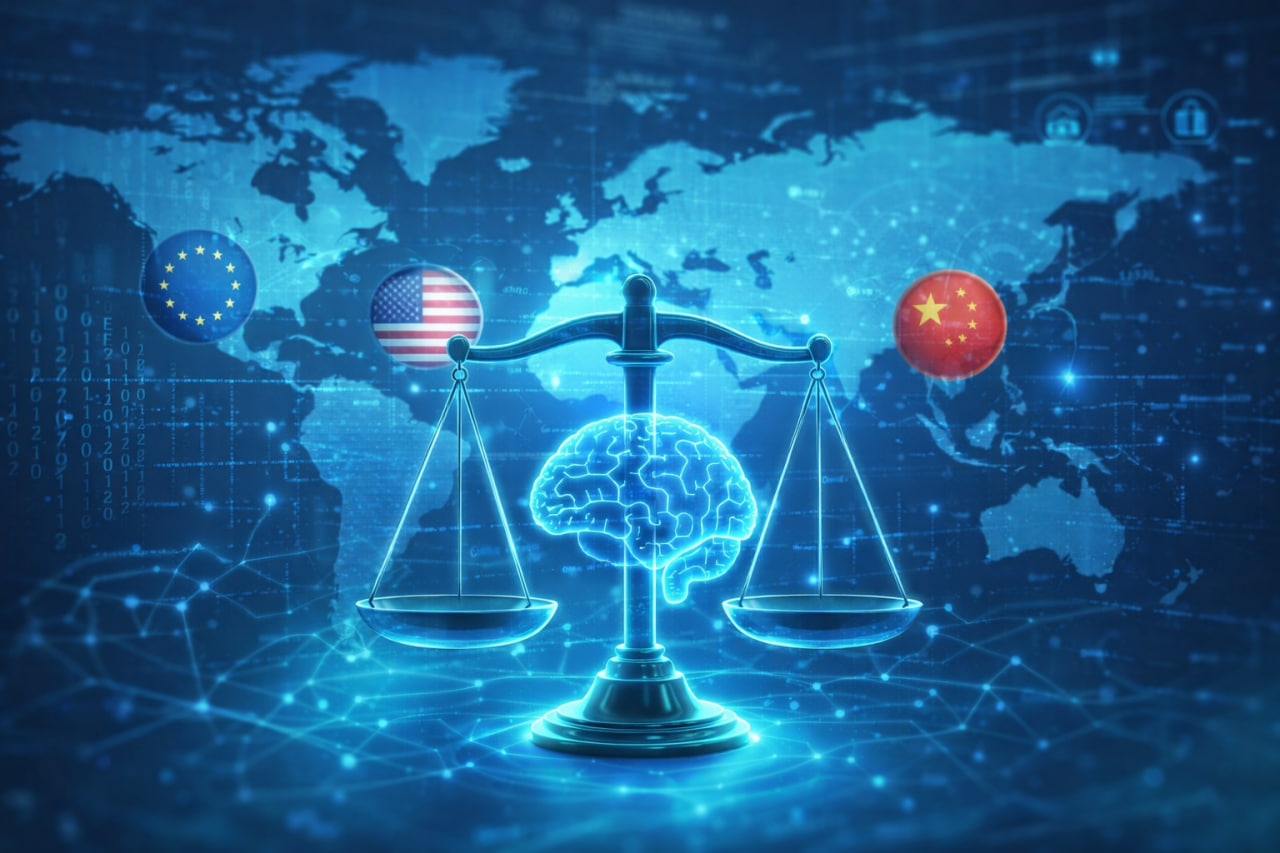
AI Regulation Around the World: What Laws Are Being Adopted

Artificial intelligence is developing faster than most legal systems can adapt, forcing governments worldwide to introduce new regulatory frameworks. These laws aim to balance innovation with safety, ensuring that AI technologies remain beneficial while minimizing risks related to privacy, bias, and misuse. Different regions approach AI regulation in unique ways, reflecting their political systems, economic priorities, and cultural values. Understanding these global efforts helps clarify how AI will be governed in the coming years.

Deepfake Technology: How It Changes Reality and How to Fight It
Skills and development Smart Technologies Customer Experience

Deepfake Technology: How It Changes Reality and How to Fight It

The rapid development of artificial intelligence has introduced powerful tools capable of generating highly realistic digital content. Among the most controversial of these technologies is deepfake, a technique that uses artificial intelligence to create synthetic images, videos, or audio that convincingly imitate real people. Deepfakes can replace a person’s face in a video, replicate their voice, or generate entirely fabricated scenes that appear authentic. While the technology has legitimate applications in entertainment, education, and digital media, it also raises serious concerns about misinformation, identity manipulation, and trust in digital information.