Creative Arts

Artificial Intelligence: What Awaits Us in the Near Future
Skills and development Smart Technologies Creative Arts

Artificial Intelligence: What Awaits Us in the Near Future

Artificial intelligence is no longer a distant concept confined to research labs—it is rapidly becoming a core part of everyday life. From recommendation systems and voice assistants to autonomous vehicles and medical diagnostics, AI is already transforming how we live and work. The key question now is not whether AI will shape the future, but how quickly and in what ways it will do so. In the coming years, AI is expected to move from a powerful tool to an invisible infrastructure layer embedded in nearly every industry. Understanding these changes is essential for individuals, businesses, and governments alike.
Reinforcement Learning: How AI Learns from Mistakes
Skills and development Applications Creative Arts

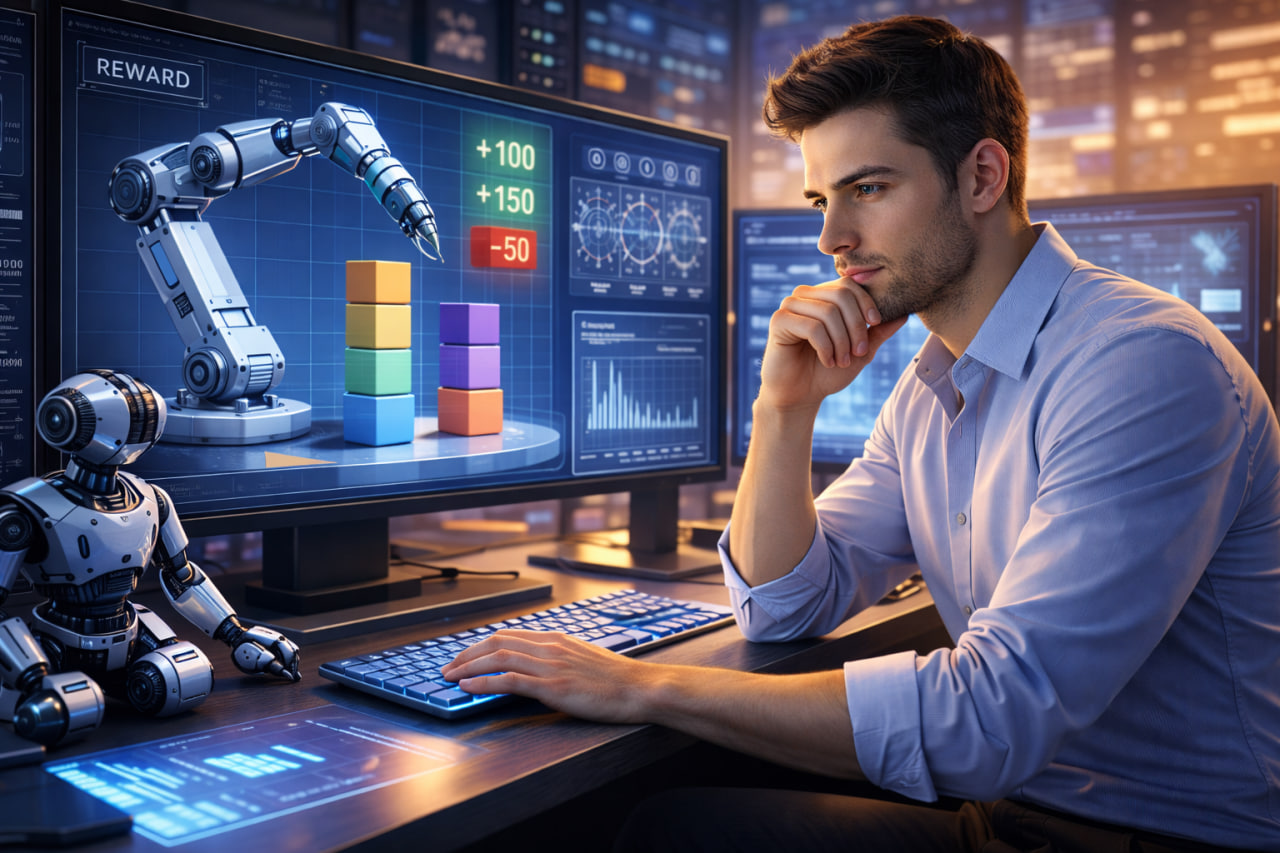
Reinforcement Learning: How AI Learns from Mistakes

Artificial intelligence does not always learn by simply analyzing labeled data. In many real-world scenarios, systems must make decisions, evaluate outcomes, and improve over time through trial and error. This approach is known as reinforcement learning (RL) — one of the most powerful and conceptually fascinating areas of modern AI. Reinforcement learning enables machines to learn optimal behavior by interacting with an environment, receiving feedback, and adjusting actions based on experience. It is the foundation behind breakthroughs in robotics, game-playing AI, autonomous driving, and decision-making systems.

GAN: How Two Neural Networks Compete to Create Photorealistic Images
Creative Arts AI in Media Production AI for Content Creators

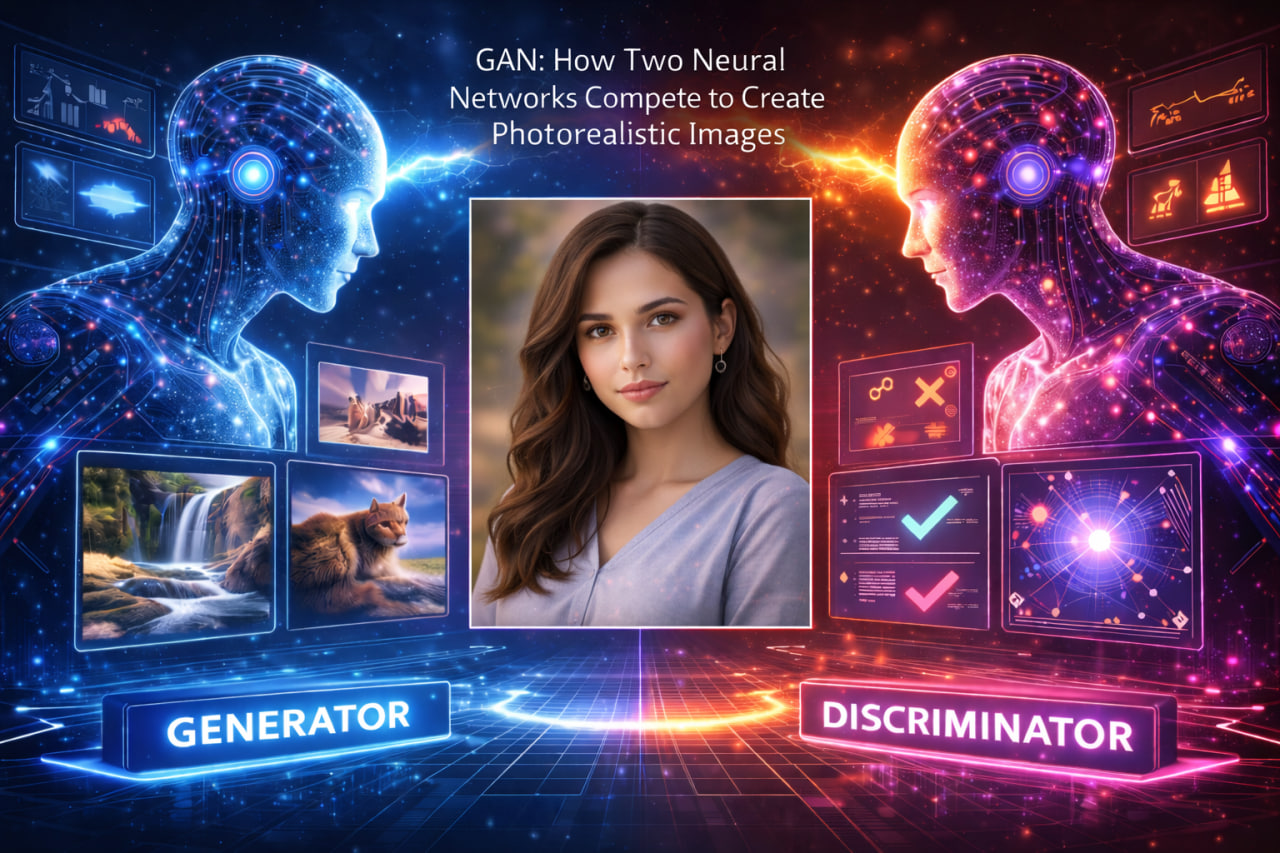
GAN: How Two Neural Networks Compete to Create Photorealistic Images

Artificial intelligence has reached a point where machines can generate images that are nearly indistinguishable from real photographs. One of the key technologies behind this breakthrough is Generative Adversarial Networks (GANs) — a powerful framework in machine learning where two neural networks compete against each other to improve results. This adversarial process allows AI to learn how to generate highly realistic images, videos, and even synthetic human faces. GANs have revolutionized fields such as digital art, media production, gaming, and data simulation.

Multimodal AI: Models That Understand Text, Images, and Sound Together
Smart Technologies Creative Arts AI in Media Production

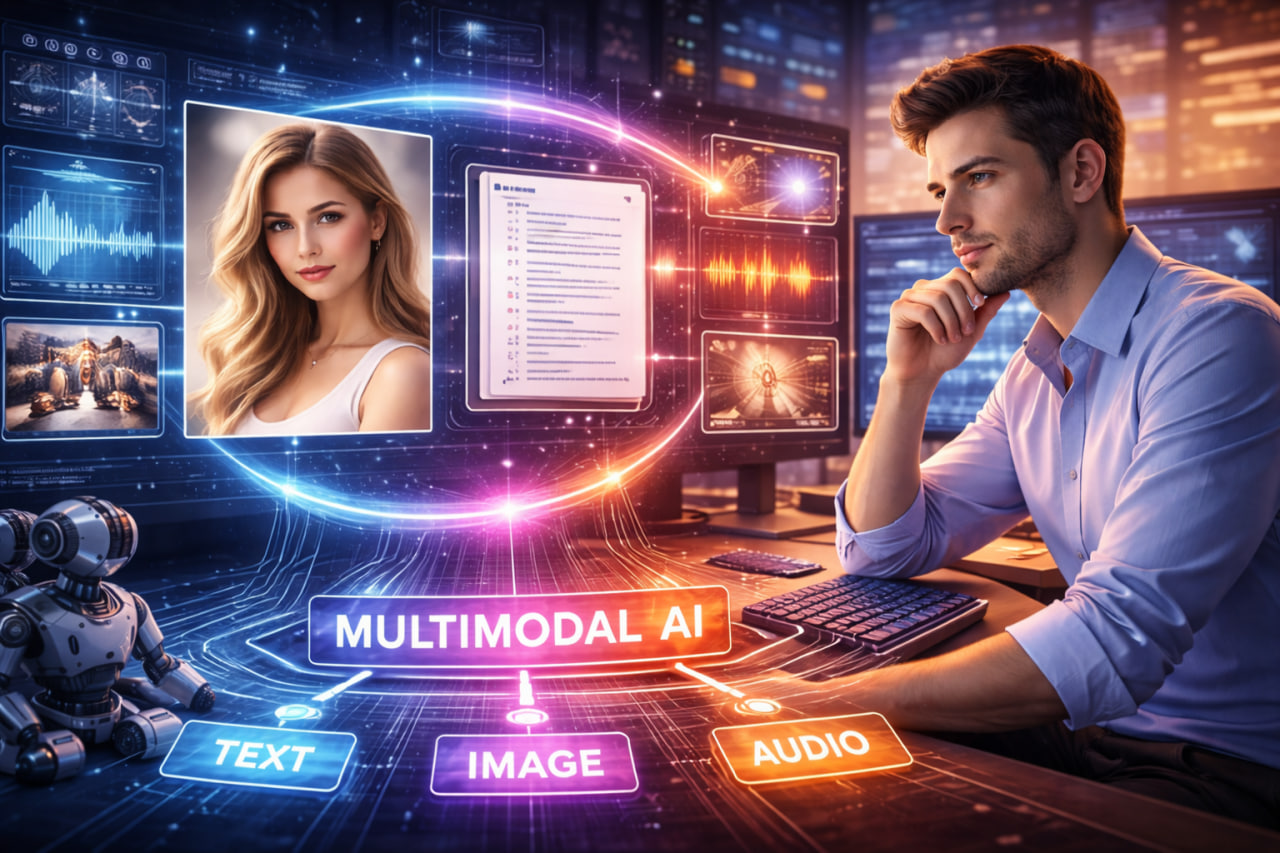
Multimodal AI: Models That Understand Text, Images, and Sound Together

Artificial intelligence is evolving beyond systems that process a single type of data. Today, one of the most important breakthroughs is multimodal AI — models capable of understanding and generating information across multiple data types simultaneously, such as text, images, and audio. This shift represents a major step toward more human-like intelligence, as people naturally interpret the world through multiple senses at once. Multimodal systems enable richer interactions, deeper understanding, and more powerful applications across industries.

Dystopias and Utopias: How Cinema and Literature Imagine a Future with AI
Creative Arts Customer Experience Automation

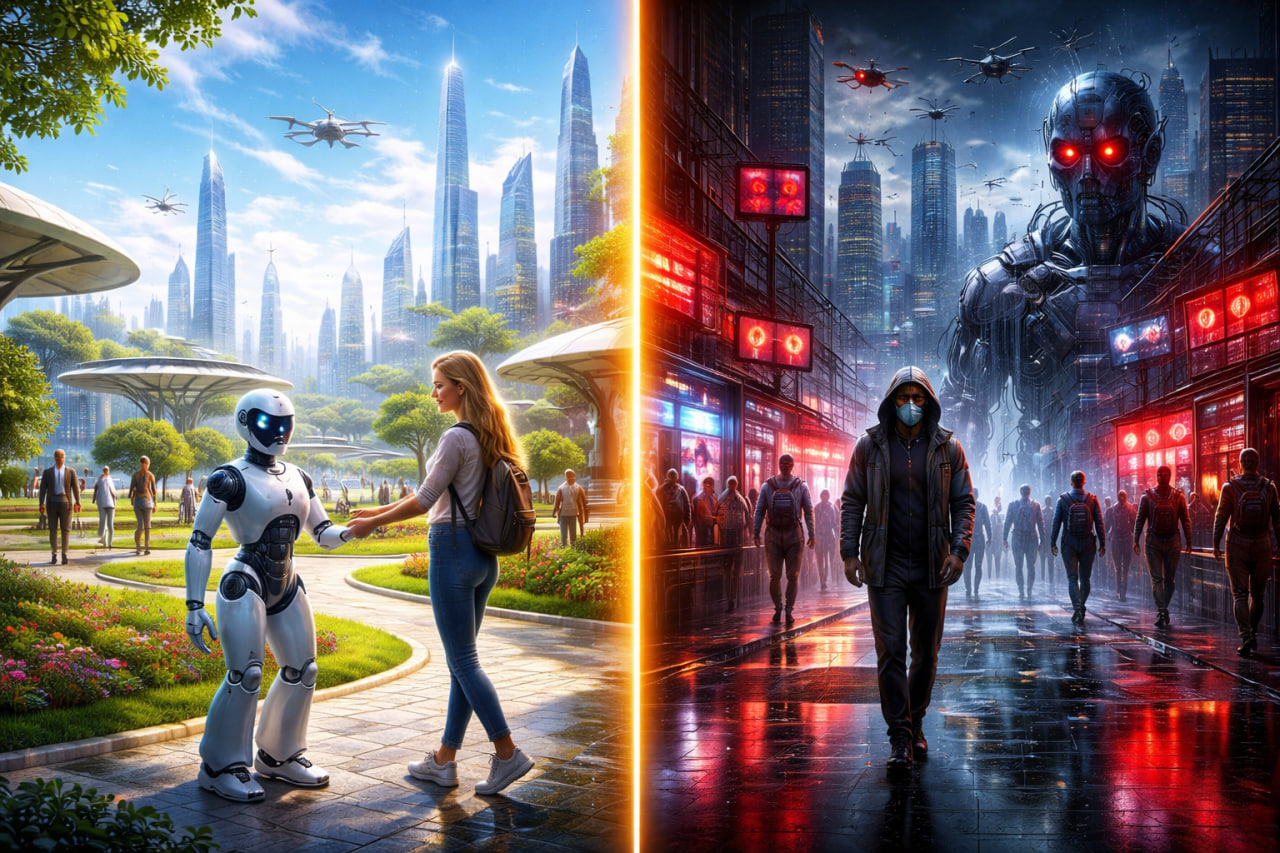
Dystopias and Utopias: How Cinema and Literature Imagine a Future with AI

The idea of artificial intelligence has long fascinated writers and filmmakers, serving as both a symbol of human progress and a warning about its consequences. Across decades, cinema and literature have explored two dominant visions of AI-driven futures: utopias, where technology enhances human life, and dystopias, where it leads to control, inequality, or even existential threat. These narratives are not merely entertainment; they reflect societal hopes, fears, and philosophical questions about intelligence, autonomy, and what it means to be human. By examining these contrasting visions, we can better understand how culture interprets the rise of AI and what lessons it offers for the real world.

Can AI Be Creative? A Philosophical Perspective
Applications Creative Arts AI for Content Creators

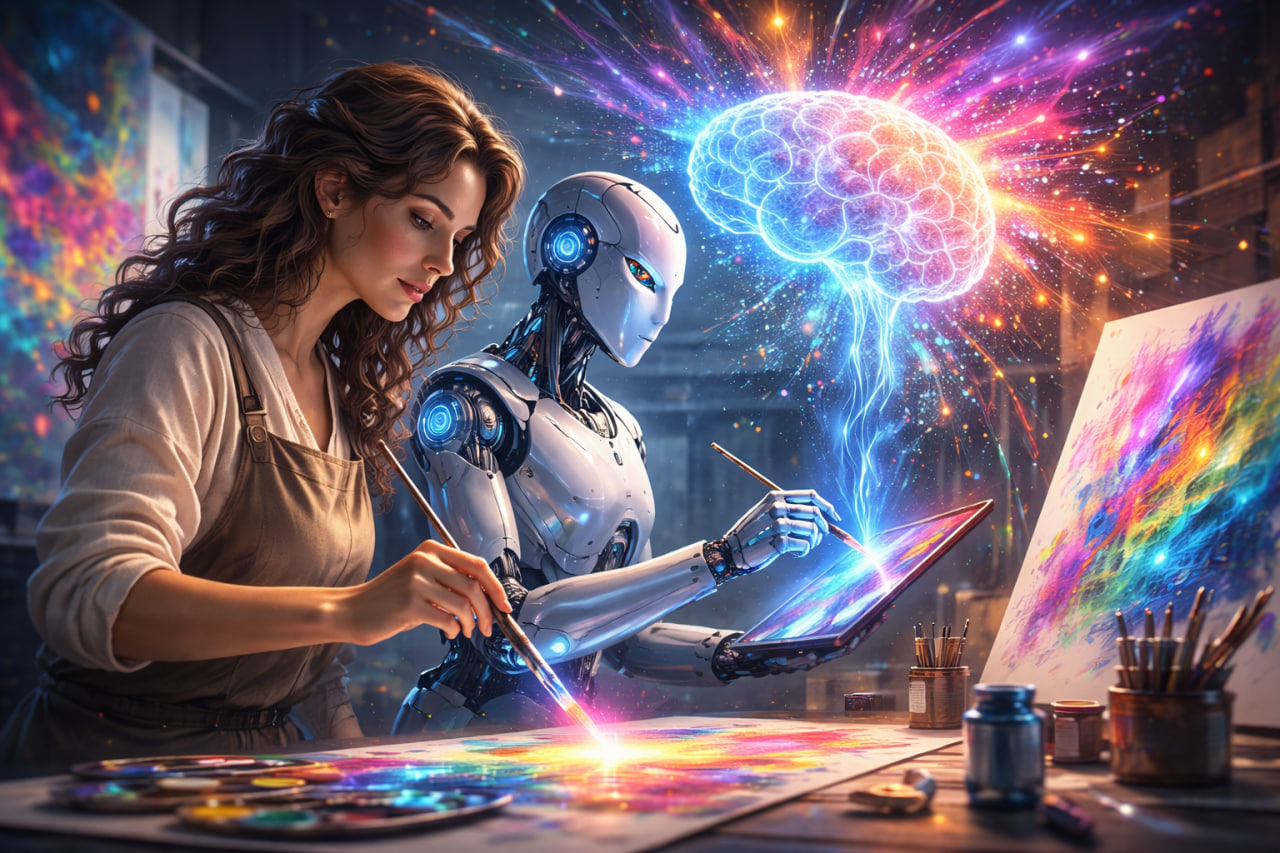
Can AI Be Creative? A Philosophical Perspective

The question of whether artificial intelligence can truly be creative lies at the intersection of technology, philosophy, and human identity. As AI systems begin to generate art, music, writing, and even scientific ideas, they challenge long-standing assumptions about creativity being an exclusively human trait. At first glance, the outputs of AI can appear original and expressive, raising a fundamental question: is creativity defined by the process, the result, or the intention behind it? Exploring this issue requires a deeper understanding of what creativity actually means and how AI operates in comparison to the human mind.

Copyright for AI-Generated Content: Who Owns the Rights?
Creative Arts AI in Media Production AI for Content Creators

Copyright for AI-Generated Content: Who Owns the Rights?

Artificial intelligence is increasingly capable of producing text, images, music, and video that closely resemble human-created works. As these technologies become more widely used in creative industries, an important legal question arises: who owns the rights to content generated by artificial intelligence? Traditional copyright law was designed around human authorship, where a person creates an original work and receives legal protection for it. AI systems complicate this framework because the creative output is generated by algorithms rather than a single identifiable human author. As a result, lawmakers, courts, and technology experts around the world are debating how intellectual property rules should apply to AI-generated works.

Creative Professions and AI: A Threat or a New Tool?
Skills and development Creative Arts AI in Media Production

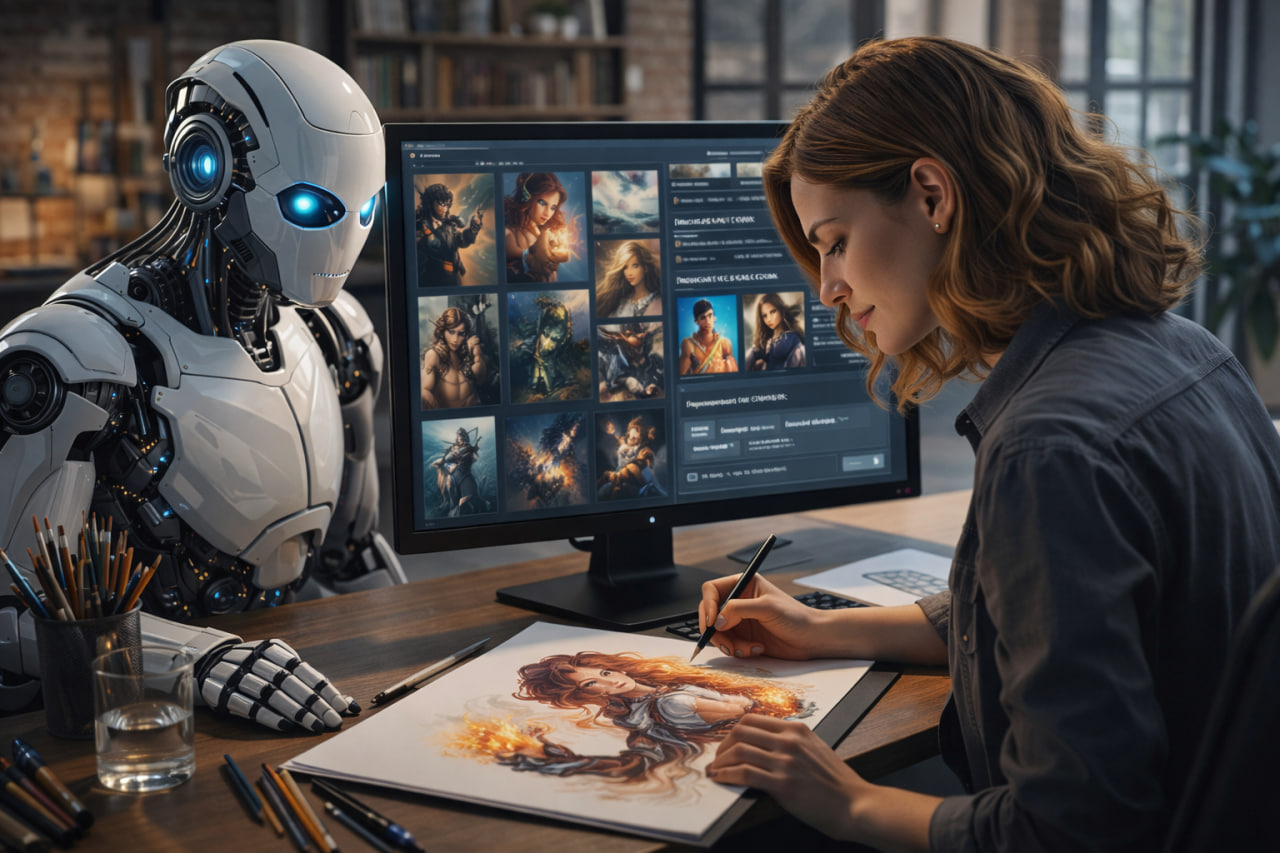
Creative Professions and AI: A Threat or a New Tool?

The rapid development of artificial intelligence has sparked intense debate across creative industries. Designers, writers, musicians, filmmakers, and illustrators increasingly encounter AI systems capable of generating images, composing music, editing videos, and producing written content within seconds. This technological shift raises a fundamental question: is AI a threat to creative professions, or does it represent a powerful new instrument that expands human potential? The answer lies not in extremes, but in understanding how creativity, technology, and human originality interact.

Tools for Speech Recognition and Speech Synthesis: How Modern Voice Technologies Work
Skills and development Creative Arts AI in Media Production

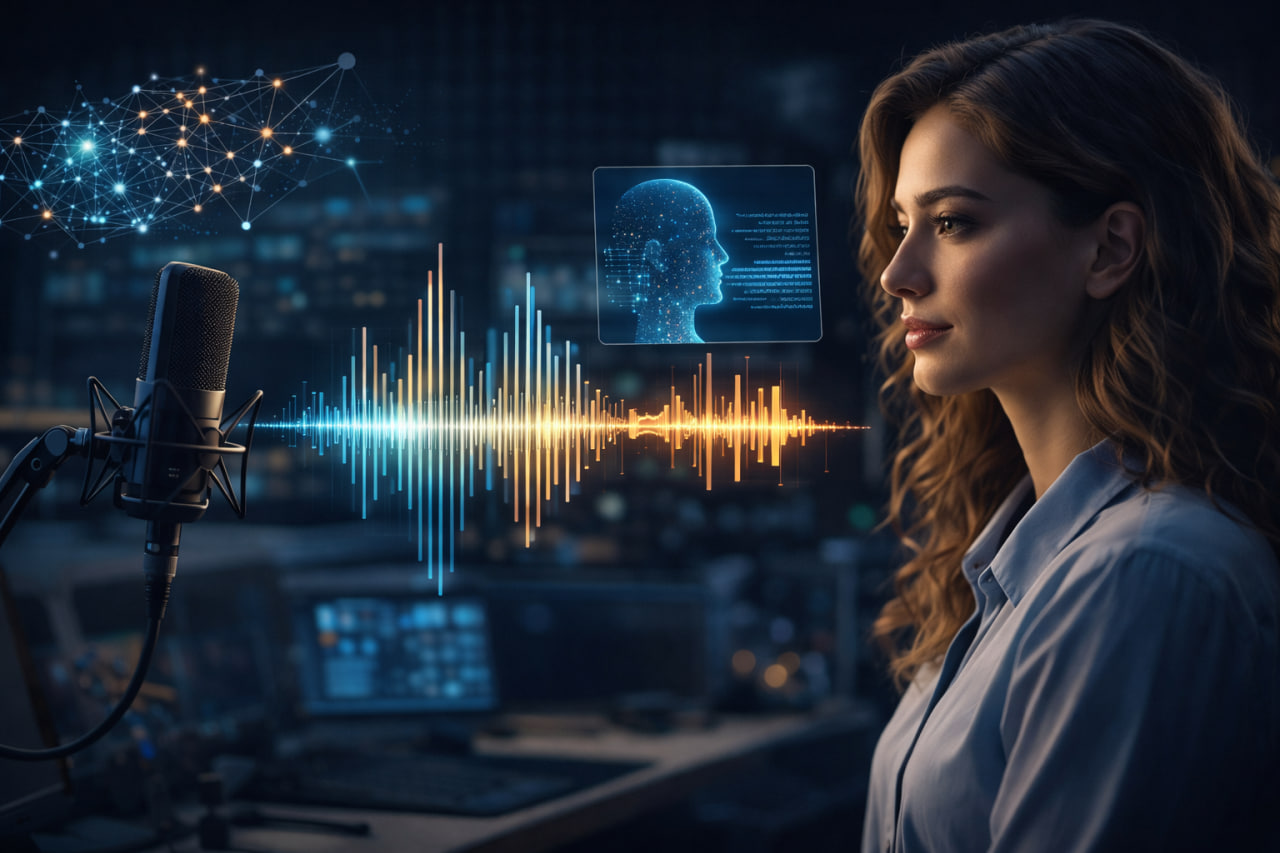
Tools for Speech Recognition and Speech Synthesis: How Modern Voice Technologies Work

Speech technologies have become a fundamental part of everyday digital interaction, enabling humans to communicate naturally with machines. From voice assistants and automated customer support to accessibility tools and content creation, speech recognition and speech synthesis are transforming how information is processed and delivered. These technologies rely on artificial intelligence to convert spoken language into text and generate natural-sounding speech from written content. Understanding the tools behind these systems helps explain their capabilities, limitations, and real-world value.

GPT, Claude, Alice, and Gemini: Comparing the AI Giants
Applications Creative Arts AI in Media Production

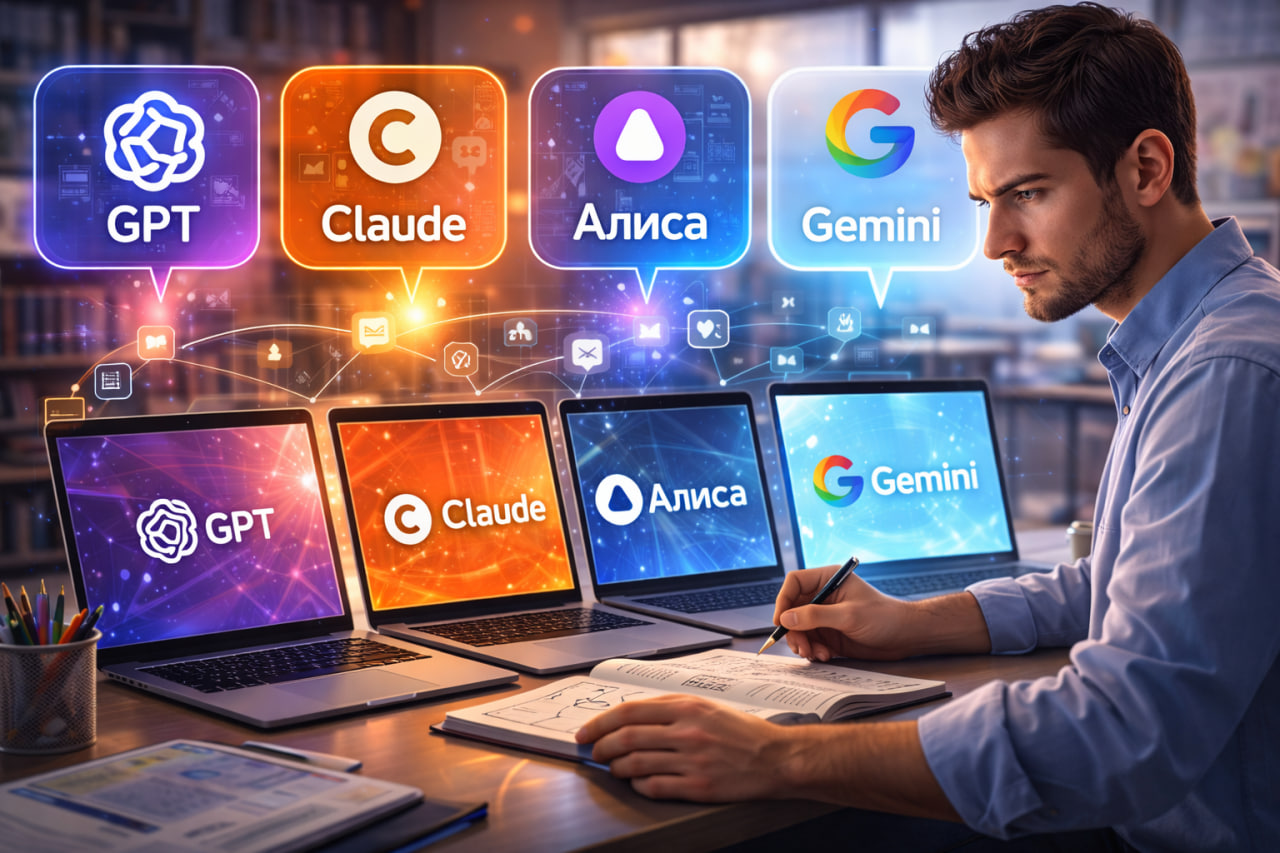
GPT, Claude, Alice, and Gemini: Comparing the AI Giants

Large language models have rapidly become central interfaces between humans and digital systems. What started as experimental chatbots has evolved into powerful platforms capable of writing, reasoning, coding, summarizing, and assisting across industries. GPT, Claude, Alice, and Gemini represent four different philosophies of how conversational AI should be designed, trained, and deployed. Comparing them is not about declaring a single winner, but about understanding how priorities such as reasoning depth, safety, ecosystem integration, and cultural context shape each system’s strengths and limitations.