Ethics

Career Moats in the Age of AI: Skills That Compound Instead of Commoditize
Career Education and training Skills and development

Career Moats in the Age of AI: Skills That Compound Instead of Commoditize

AI supercharges average output, which means average is no longer a strategy. The people who thrive build career moats—hard-to-copy capabilities that compound with each project, tool, and connection. This playbook shows which skills actually compound in an AI-saturated market, how to cultivate them deliberately, and how to weave AI into your processes without becoming interchangeable with it.


Orbital Intelligence: How AI Guides Satellites, Rovers, and the Future of Space Operations
Applications Smart Technologies Ethics

Orbital Intelligence: How AI Guides Satellites, Rovers, and the Future of Space Operations

Artificial intelligence has quietly become mission-critical infrastructure for space. What began as ground-based analytics that tagged clouds or stitched images has evolved into onboard autonomy that decides what to observe, how to navigate, when to talk to Earth, and how to keep hardware alive millions of kilometers away. From swarms of Earth-observation satellites to exploratory rovers on hostile terrain, AI is reshaping how we plan, fly, and sustain missions under extreme constraints.

From NPCs to Game Masters: How GPT Is Transforming Video Games and Tabletop Play
Applications Smart Technologies Gaming

From NPCs to Game Masters: How GPT Is Transforming Video Games and Tabletop Play

Artificial intelligence has always haunted the edges of game design, from pathfinding enemies to procedural maps. GPT-style language models have pushed that horizon into the heart of play itself. They write, improvise, remember, negotiate, and role-play—capabilities that let games feel less scripted and more like living stories. This article explores how GPT reshapes video games and tabletop experiences today, and how to build with it responsibly and creatively.

The Dark Side of AI: How GPT Can Be Used for Fraud, Deepfakes, and Misinformation
Smart Technologies Ethics AI in Cybersecurity

The Dark Side of AI: How GPT Can Be Used for Fraud, Deepfakes, and Misinformation

Artificial intelligence (AI) has brought immense benefits to society, enabling automation, enhancing productivity, and revolutionizing industries such as healthcare, finance, and entertainment. However, like any powerful tool, AI also has a darker side. As language models like GPT become more advanced, they present significant risks, including their potential misuse in fraud, deepfake technology, and the spread of misinformation. While these concerns do not negate the benefits of AI, they highlight the importance of responsible AI development and regulatory measures.

Ethics and Morality in AI: How to Create Safe and Fair Algorithms
Applications Smart Technologies Ethics

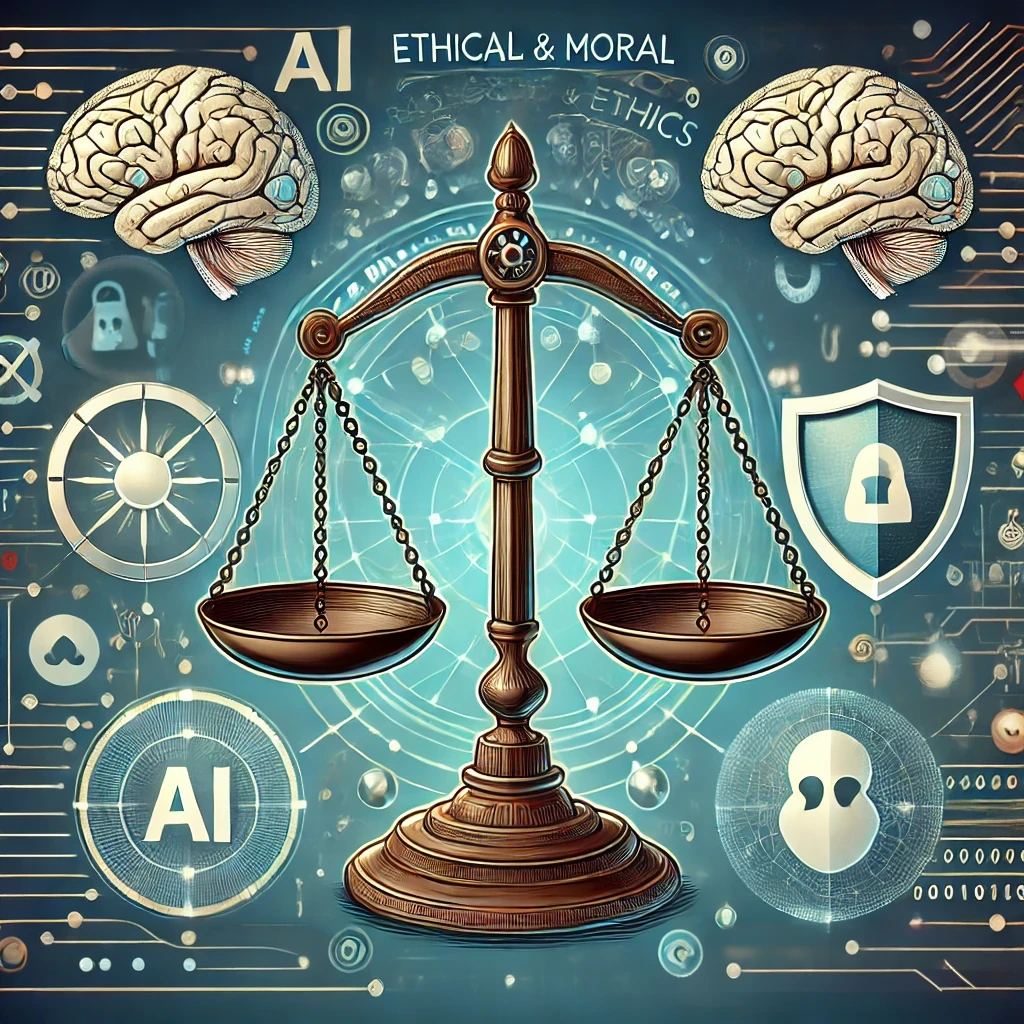
Ethics and Morality in AI: How to Create Safe and Fair Algorithms

As artificial intelligence (AI) becomes increasingly integrated into various aspects of society, questions about the ethical and moral implications of these technologies have taken center stage. From healthcare and finance to criminal justice and everyday life, AI systems influence decision-making processes that can profoundly affect people's lives. Ensuring that AI algorithms are developed responsibly, with a focus on fairness, safety, and transparency, is critical to preventing harm and fostering trust in these technologies. This article explores the key ethical challenges in AI, the principles guiding the development of safe and fair algorithms, and potential solutions to address these concerns.