Applications

Midjourney vs Stable Diffusion: Which Image Generator Should You Choose?
Education and training Applications AI in Media Production

Midjourney vs Stable Diffusion: Which Image Generator Should You Choose?

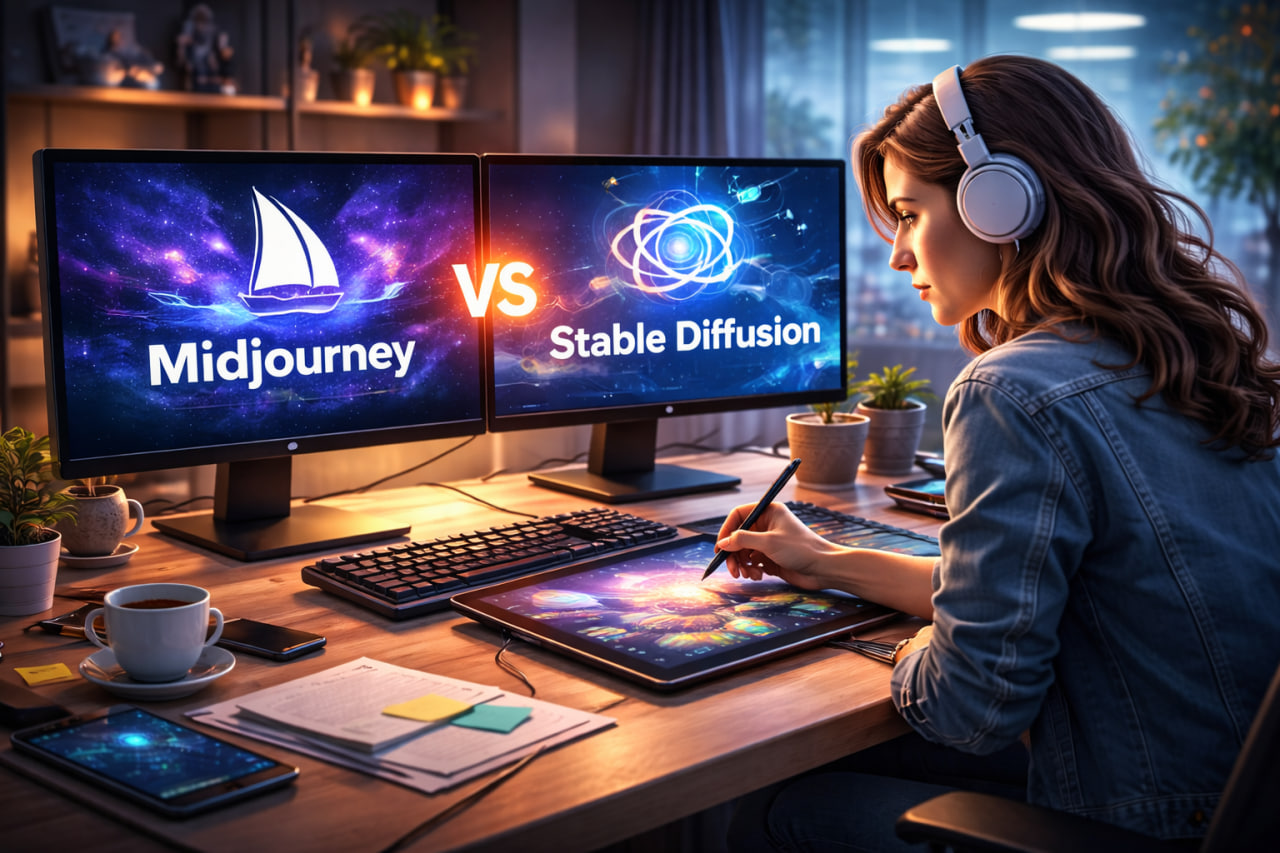
AI image generation has rapidly evolved from experimental tools into professional-grade systems used in design, marketing, media, and product development. Among the most discussed platforms today are Midjourney and Stable Diffusion, two generators that share similar foundations but differ radically in philosophy, control, and use cases. Choosing between them is not about which is “better” overall, but about which aligns with your creative goals, technical comfort level, and workflow requirements. To make a meaningful comparison, it is important to look beyond surface-level image quality and examine how these systems are built and used in practice.
GPT, Claude, Alice, and Gemini: Comparing the AI Giants
Applications Creative Arts AI in Media Production

GPT, Claude, Alice, and Gemini: Comparing the AI Giants

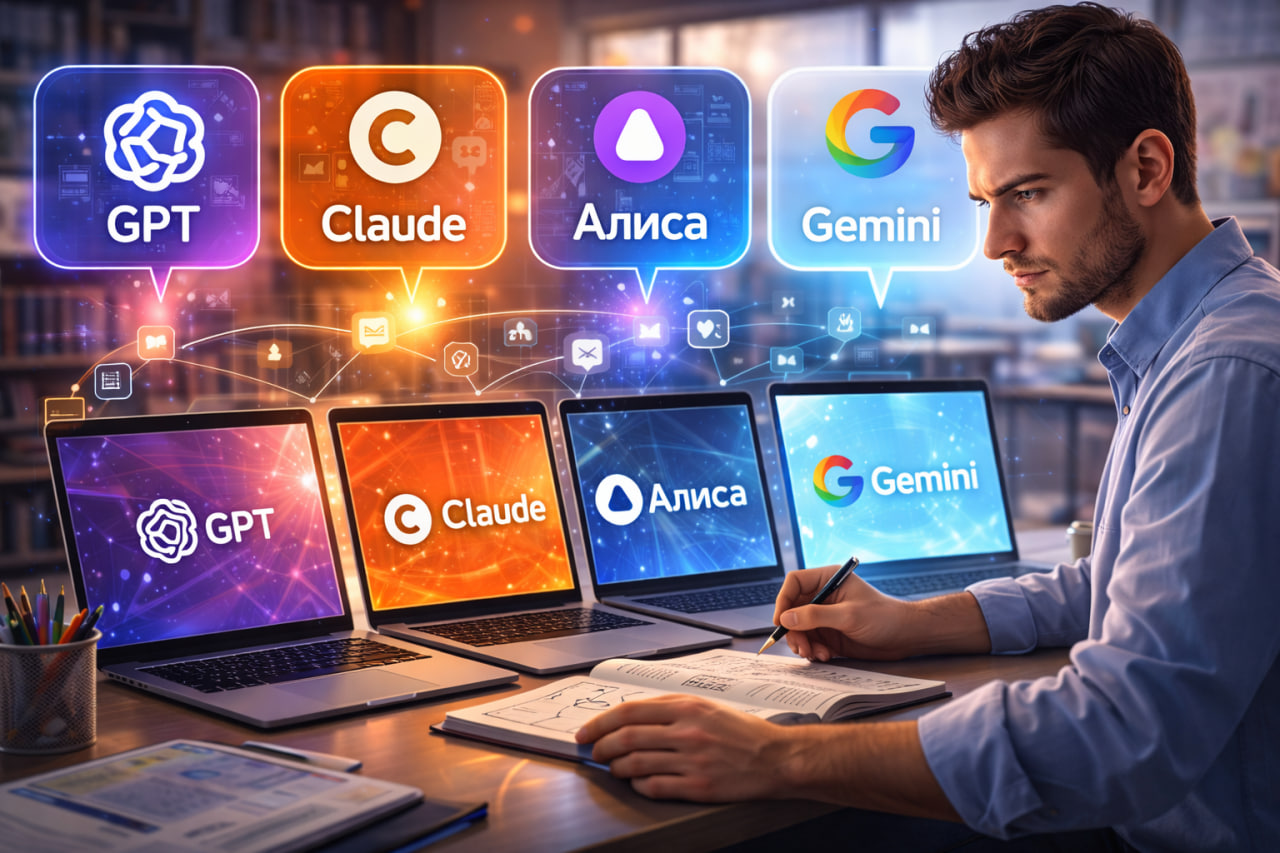
Large language models have rapidly become central interfaces between humans and digital systems. What started as experimental chatbots has evolved into powerful platforms capable of writing, reasoning, coding, summarizing, and assisting across industries. GPT, Claude, Alice, and Gemini represent four different philosophies of how conversational AI should be designed, trained, and deployed. Comparing them is not about declaring a single winner, but about understanding how priorities such as reasoning depth, safety, ecosystem integration, and cultural context shape each system’s strengths and limitations.

How to See What ChatGPT Remembers in a Project — and How to Change It
Applications AI for Content Creators AI for Everyday Life

How to See What ChatGPT Remembers in a Project — and How to Change It

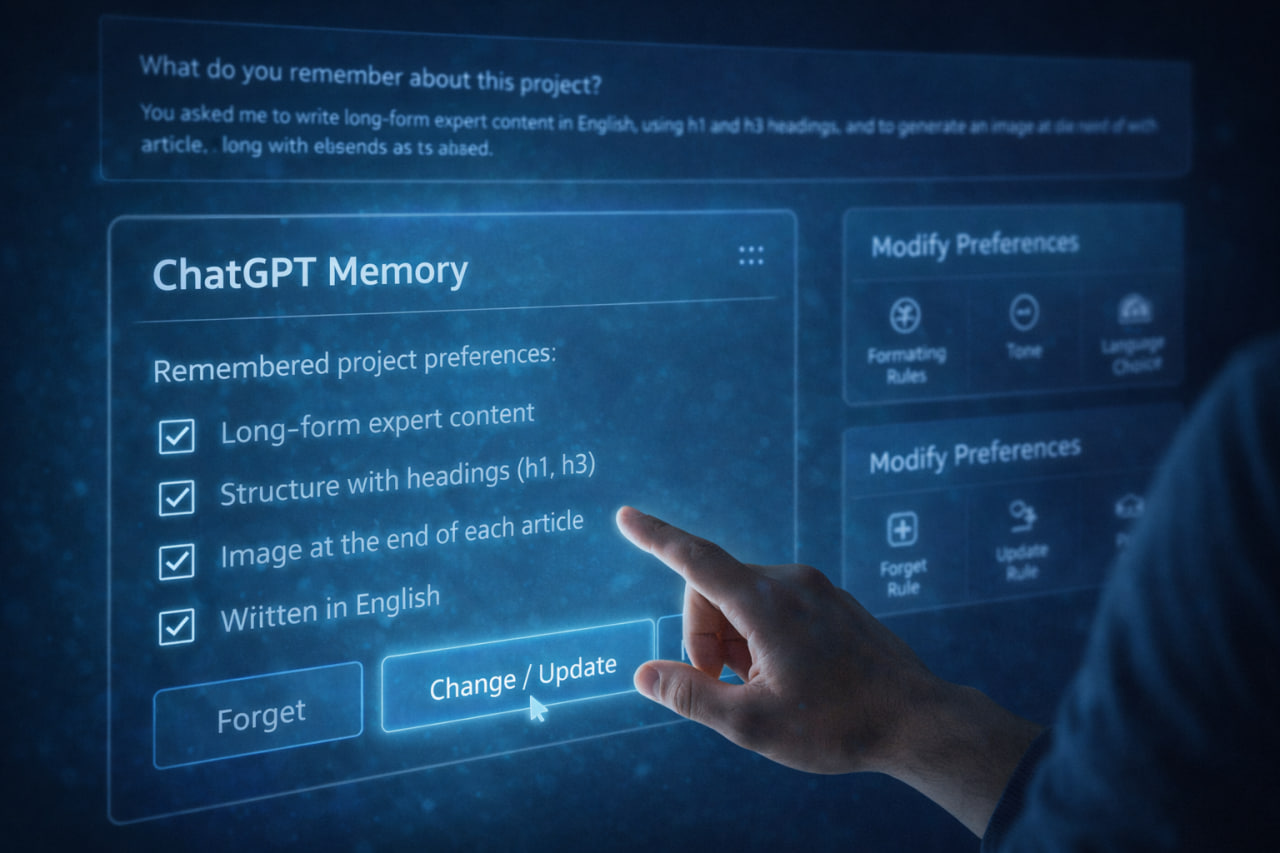
As ChatGPT becomes more personalized and project-oriented, many users naturally ask an important question: what exactly does ChatGPT remember, where is that information stored, and how can it be changed or removed? Understanding how memory works inside a project helps you control tone, structure, preferences, and long-term behavior of the assistant. This is especially important for professional projects, where consistency and clarity matter as much as creativity. Below is a clear, beginner-friendly explanation of how project memory works and how you can manage it.

Fabric of the Future: How GPT Is Reweaving Fashion—from Textiles to Trend Forecasting
Applications Smart Technologies Creative Arts

Fabric of the Future: How GPT Is Reweaving Fashion—from Textiles to Trend Forecasting

Fashion has always been a conversation between culture, craft, and commerce. GPT-class models add a new voice to that dialogue: a fast, collaborative partner that can sketch ideas in words, patterns, palettes, and plans—then translate them into production briefs. From generative textile concepts and style forecasting to supply-chain orchestration and sustainability audits, here’s how AI is already reshaping the runway and the factory floor—and how to use it without losing the human touch.

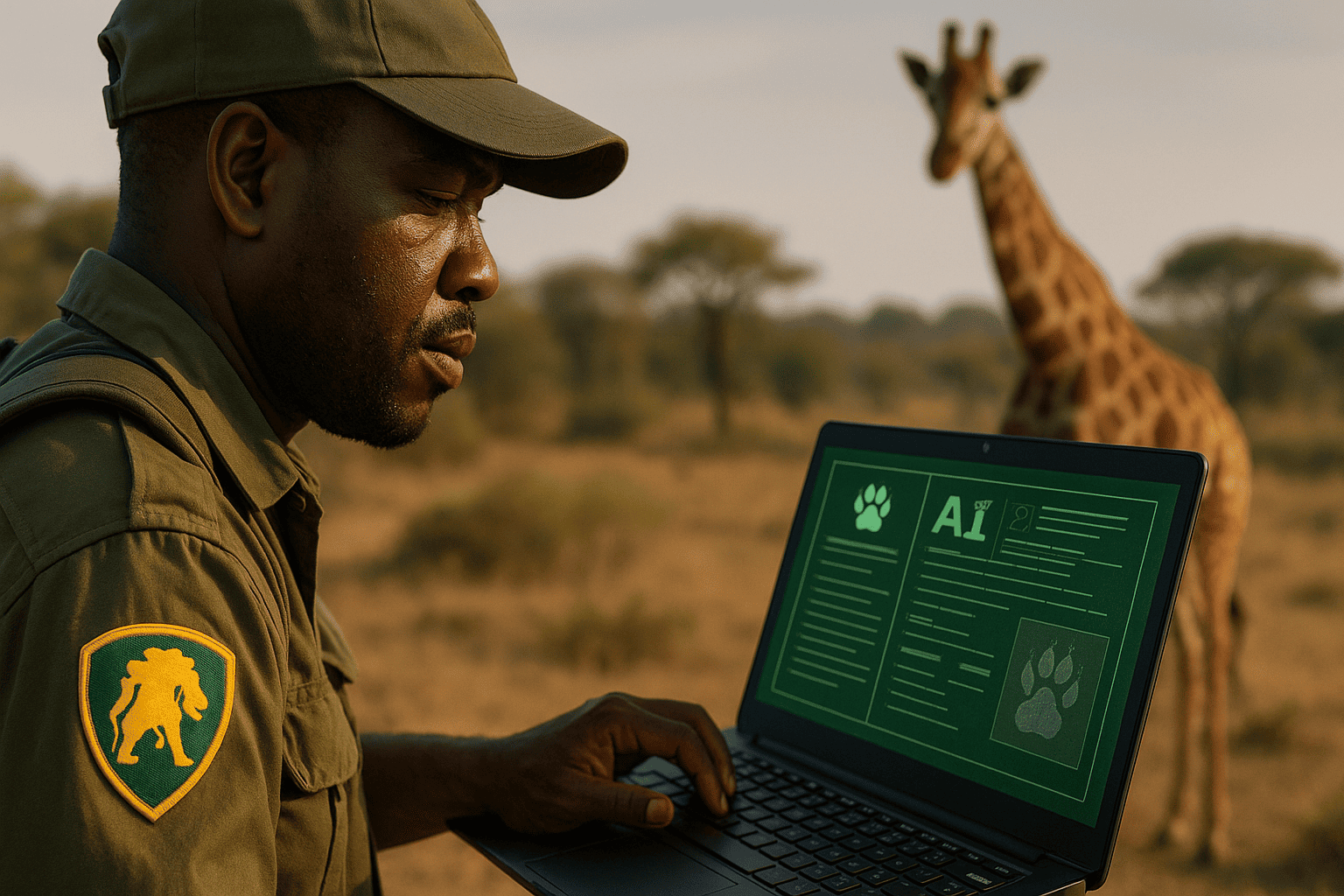
Guardians of the Wild: How GPT Can Supercharge Conservation—Without Replacing Rangers
Education and training Applications Smart Technologies

Guardians of the Wild: How GPT Can Supercharge Conservation—Without Replacing Rangers

Artificial intelligence is edging into rainforests, savannas, and coastal waters—not as a sci-fi savior, but as a force multiplier for the people already protecting life on Earth. This article explores how GPT-class models and allied AI tools can monitor wildlife, deter poaching, and safeguard biodiversity, while staying grounded in ethics, local knowledge, and ecological reality. The promise is huge; the pitfalls are real. Used well, AI helps rangers act earlier, scientists learn faster, and communities lead the work. 🐾

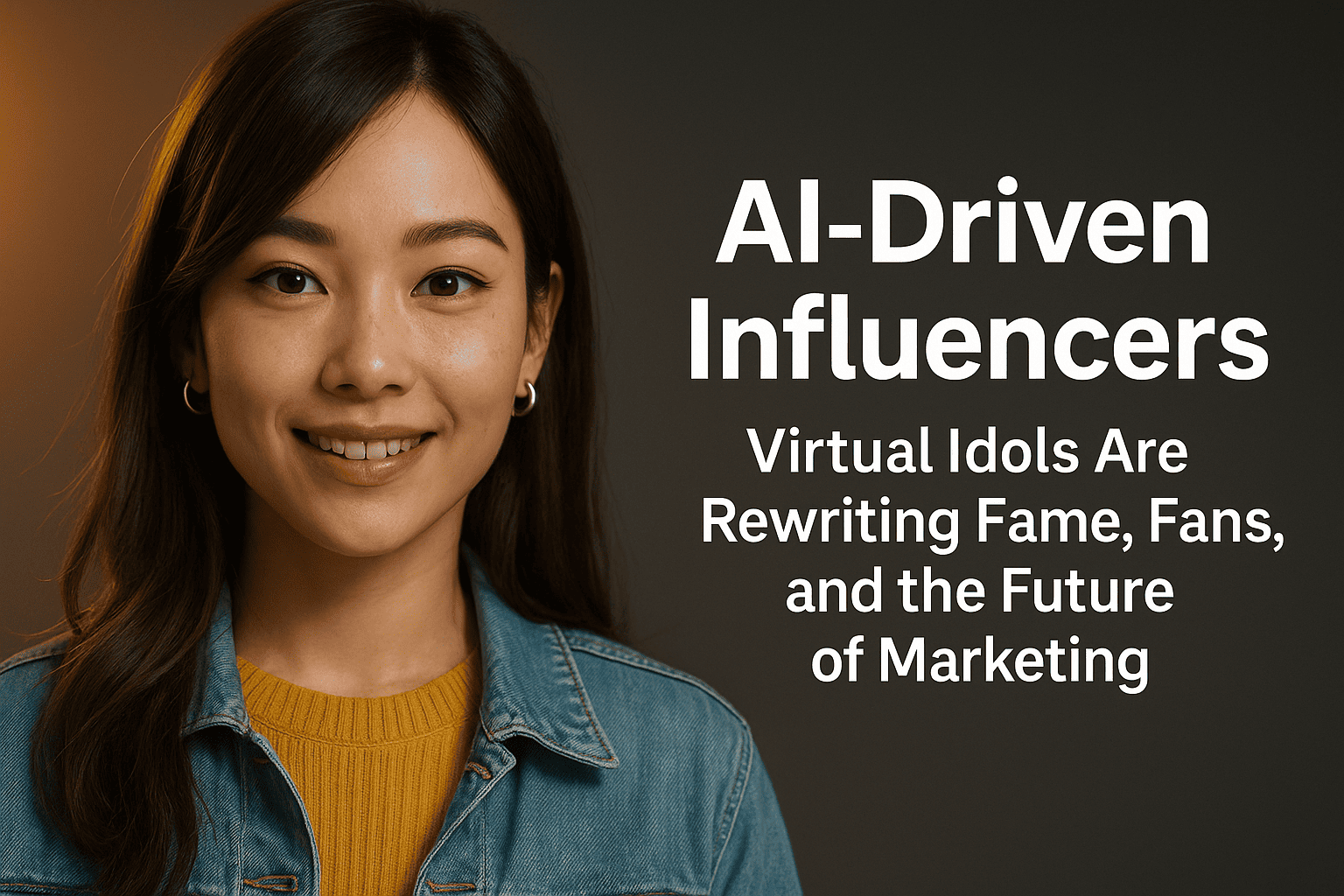
AI-Driven Influencers: Virtual Idols Are Rewriting Fame, Fans, and the Future of Marketing
Applications Ethics Business Growth

AI-Driven Influencers: Virtual Idols Are Rewriting Fame, Fans, and the Future of Marketing

Virtual influencers—algorithmically animated personas who post, collab, and “live” online—have moved from novelty to strategy. They charm millions on Instagram, TikTok, YouTube, and Twitch; front campaigns for beauty, fashion, gaming, and fintech; and show up in music videos and livestreams as if they were human creators. Behind the glossy posts sits a stack of generative tech—LLMs like GPT for voice and personality, image/video generators for visuals, and orchestration tools that schedule, respond, and adapt in real time. This article explains how AI-driven idols are made, why brands love them, where the risks hide, and what a pragmatic playbook looks like if you’re building or partnering with digital celebrities.

GPT and Accessibility: Making Digital Spaces Inclusive for All
Education and training Applications Smart Technologies

GPT and Accessibility: Making Digital Spaces Inclusive for All

Accessibility is not a niche feature—it’s table stakes for a humane internet. GPT-class models can transform how people with disabilities access information, communicate, learn, and work. But to make digital spaces truly inclusive, we need to combine AI’s speed with thoughtful design, strong guardrails, and accountability. This playbook explains where GPT helps, where it must be handled carefully, and how to ship experiences that broaden participation instead of erecting new barriers.

The Intersection of AI and Quantum Computing: What’s Next for GPT?
Education and training Applications Smart Technologies

The Intersection of AI and Quantum Computing: What’s Next for GPT?

Quantum computing and large language models (LLMs) like GPT are on converging trajectories. One promises exponential state spaces and new algorithmic primitives; the other devours compute to learn structure from oceans of data. This article maps where quantum could realistically accelerate GPT training and inference, where today’s limits bite, and how hybrid “quantum-classical” workflows might reshape the next decade of intelligent systems.

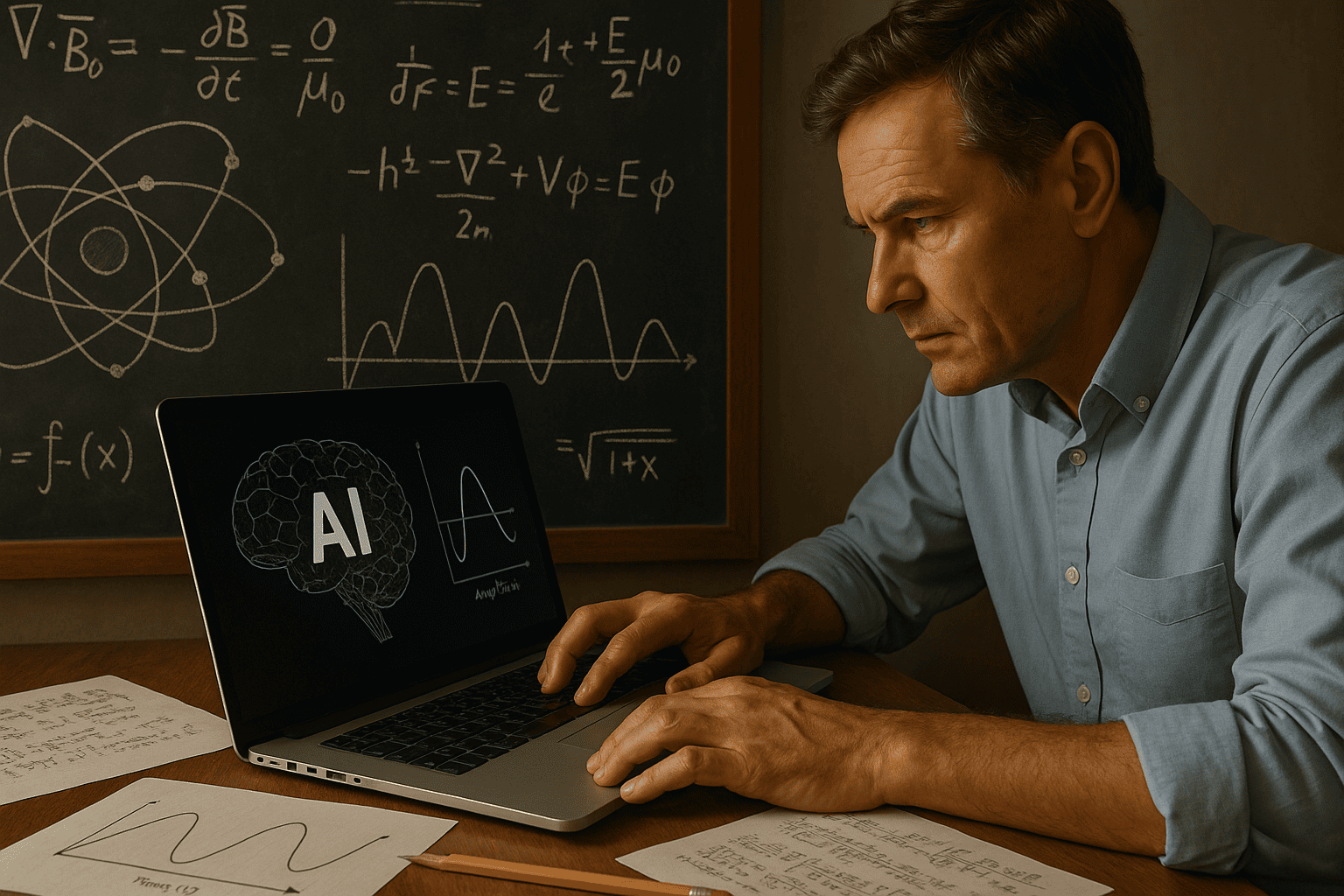
From Patterns to Principles: Can GPT Help Us Discover New Laws of Nature?
Education and training Applications Smart Technologies

From Patterns to Principles: Can GPT Help Us Discover New Laws of Nature?

Science advances when patterns become principles—when messy observations crystallize into equations, models, and mechanisms. GPT-class systems are astonishing at finding and articulating patterns across oceans of text and data. But can a language model really help uncover new laws of nature? This article explores where GPT meaningfully accelerates discovery, where it hits hard limits, and how human curiosity and judgment remain indispensable—even in an age of smart machines.

Prompt-to-Product: A System to Turn One Idea into a Week of Cross-Channel Content
Skills and development Applications Customer Experience

Prompt-to-Product: A System to Turn One Idea into a Week of Cross-Channel Content

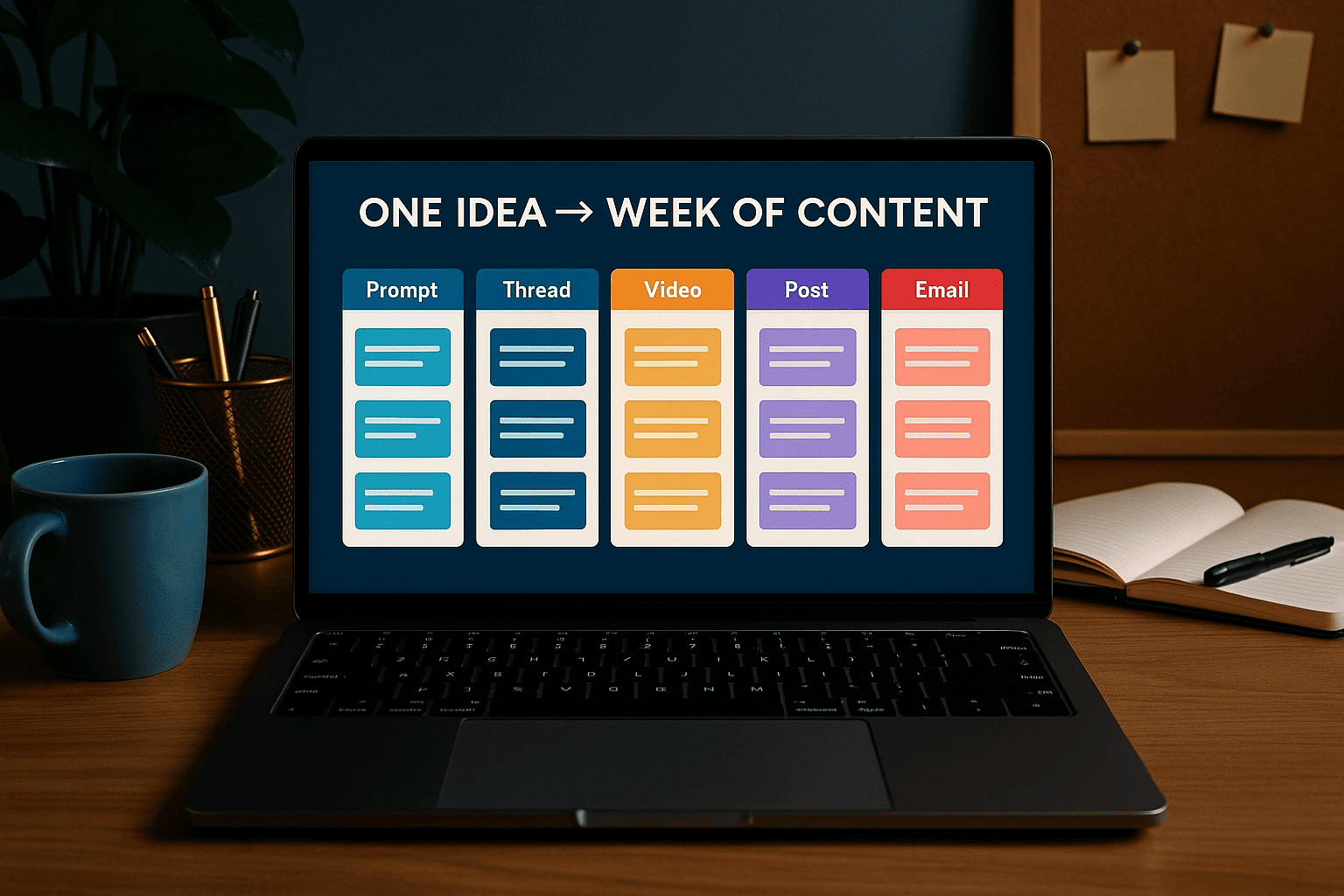
Most creators don’t lack ideas—they lack a repeatable system that compounds one solid idea into many native pieces across platforms. This playbook shows how to go from a single prompt to a full week of output—articles, threads, shorts, carousels, emails—without sounding repetitive or generic. You’ll build a “content engine” that preserves your voice, adapts to each channel, and gets better with every cycle.