ChatGPT 5.6 represents a major shift from a general-purpose conversational assistant toward a more capable system for complex professional work. The new generation is designed to handle demanding tasks in coding, research, science, cybersecurity, computer use, document creation, and visual design with greater accuracy and efficiency.
A power outage does not always cause an immediate internet outage. Fiber, cable, fixed wireless, cellular, and satellite connections may continue operating if both the provider’s infrastructure and the equipment inside your home have backup power.
Modern antivirus protection is no longer limited to searching for traditional computer viruses. It is designed to identify a much wider range of threats, including ransomware, spyware, password stealers, banking Trojans, malicious scripts, rootkits, worms, and potentially unwanted applications.
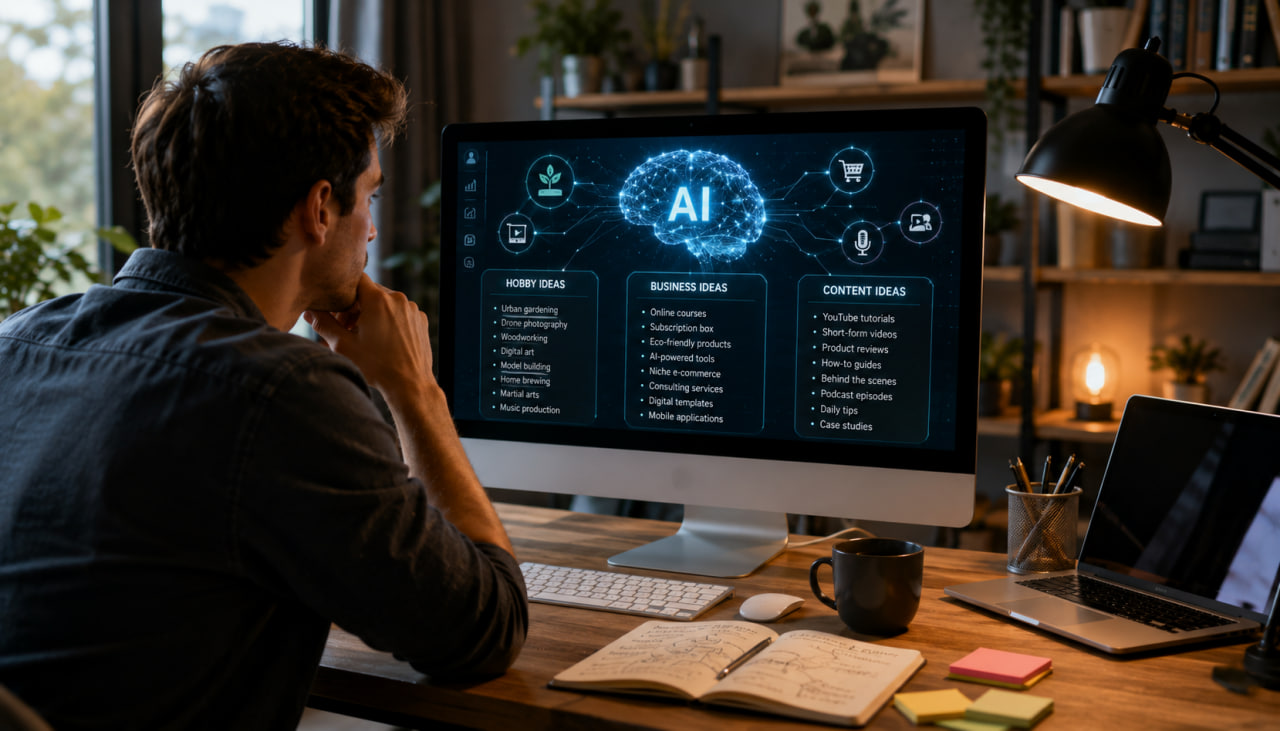
Artificial intelligence has become one of the most powerful brainstorming tools available today. Instead of replacing human creativity, AI expands it by generating fresh perspectives, uncovering overlooked opportunities, and accelerating the early stages of idea development. Whether you want to start a new hobby, launch a business, grow a YouTube channel, or create engaging social media content, AI can help transform vague inspiration into structured, actionable concepts.
Planning a trip has become significantly easier with the help of artificial intelligence. What once required hours of researching destinations, comparing transportation options, reading reviews, and organizing schedules can now be accomplished in a fraction of the time. AI-powered travel assistants can analyze preferences, optimize routes, suggest attractions, estimate travel times, and even adapt itineraries when unexpected changes occur.
Artificial intelligence is revolutionizing language learning by making education more personalized, interactive, and accessible than ever before. Instead of relying solely on textbooks or traditional classroom instruction, learners can now practice conversations, receive instant grammar corrections, improve pronunciation, and generate customized exercises using AI-powered tools. Whether you are learning English, Spanish, French, German, Japanese, or any other language, artificial intelligence can accelerate your progress by adapting lessons to your skill level and learning style. AI is not replacing teachers—it is becoming one of the most powerful learning assistants available today.
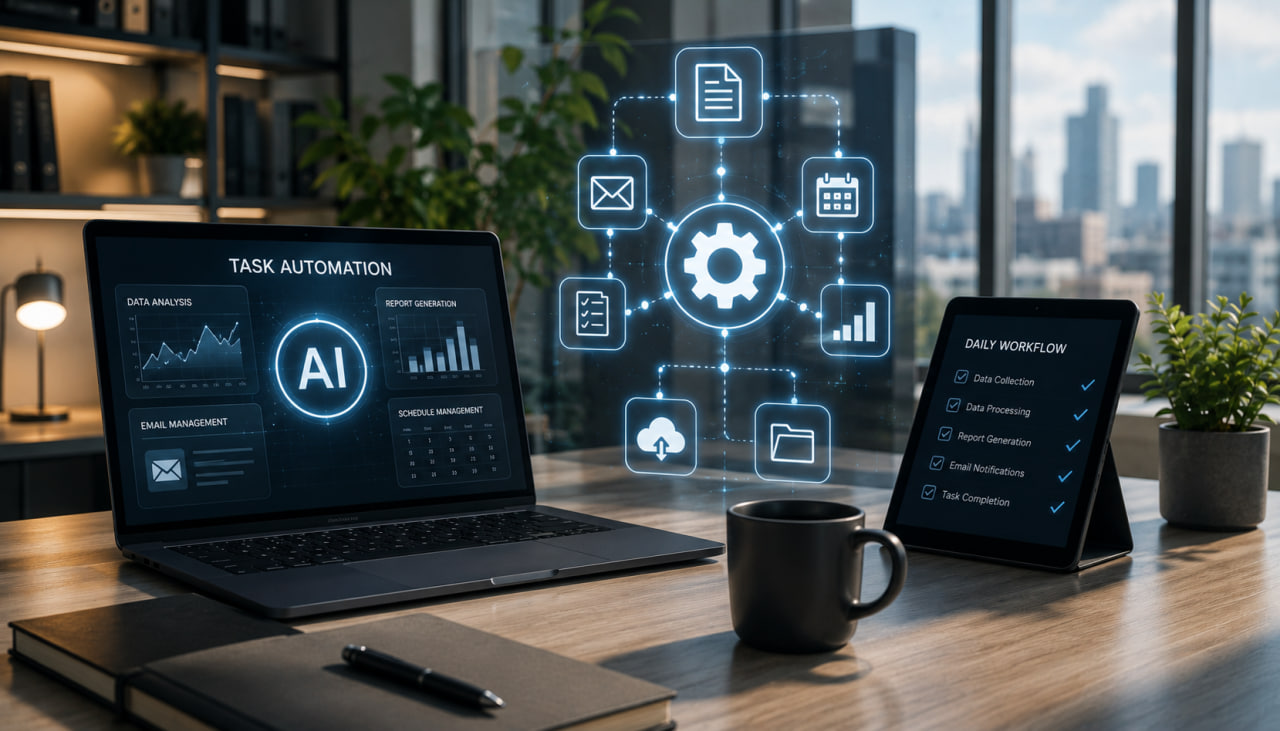
Artificial intelligence has become one of the most powerful tools for automating repetitive tasks in both business and personal life. From managing emails and scheduling meetings to generating reports and analyzing data, AI allows individuals and organizations to reduce manual work while improving efficiency and accuracy. As AI technologies continue to evolve, automation is no longer limited to large enterprises. Small businesses, freelancers, entrepreneurs, and individual users can now leverage AI-powered tools to streamline workflows, reduce operational costs, and focus on higher-value activities. The true value of AI automation lies not in replacing people, but in eliminating repetitive work so humans can concentrate on creativity, strategy, and decision-making.
Artificial intelligence has fundamentally transformed social media. Today, AI can generate realistic images, videos, voices, articles, influencers, and even entire online personalities within minutes. While these technologies unlock exciting creative opportunities, they also introduce one of the biggest challenges the digital world has ever faced: the explosion of synthetic content. Every day, millions of AI-generated posts are uploaded to platforms such as Instagram, TikTok, Facebook, X, and YouTube. In many cases, users cannot distinguish between authentic human-created content and material produced entirely by artificial intelligence. As generative AI becomes more accessible, the internet is entering an era where authenticity is increasingly difficult to verify.
Artificial intelligence has rapidly become part of everyday life. Millions of people use AI-powered tools to write emails, generate images, analyze data, answer questions, assist with coding, translate languages, and even support business decisions. As AI capabilities continue to improve, a new challenge is emerging: understanding when these systems can be trusted and when human judgment remains essential. The reality is that artificial intelligence is neither infallible nor useless. It is a powerful tool with specific strengths and limitations. People who understand both sides are often able to gain the greatest benefits while avoiding costly mistakes. In the coming years, the ability to work effectively with AI may become as important as computer literacy is today. The smartest approach is not blindly trusting AI or completely rejecting it—it is knowing where its strengths and weaknesses lie.
Artificial intelligence is no longer a technology reserved for large corporations with billion-dollar budgets. Over the past few years, AI tools have become more affordable, accessible, and practical for small and medium-sized businesses (SMBs). Today, companies with just a few employees can leverage AI to improve productivity, automate routine tasks, enhance customer service, and make better business decisions. Despite growing interest, many business owners remain uncertain about where to begin. The challenge is not whether AI can create value, but how to implement it effectively without unnecessary complexity or expense. The most successful AI adoption strategies usually start small, focus on measurable business outcomes, and expand gradually as organizations gain experience. For most SMBs, the goal is not replacing employees with AI—it is enabling employees to work more efficiently and focus on higher-value activities.