Smart Technologies

How Does a Neural Network Learn from Data?
Education and training Smart Technologies Automation

How Does a Neural Network Learn from Data?

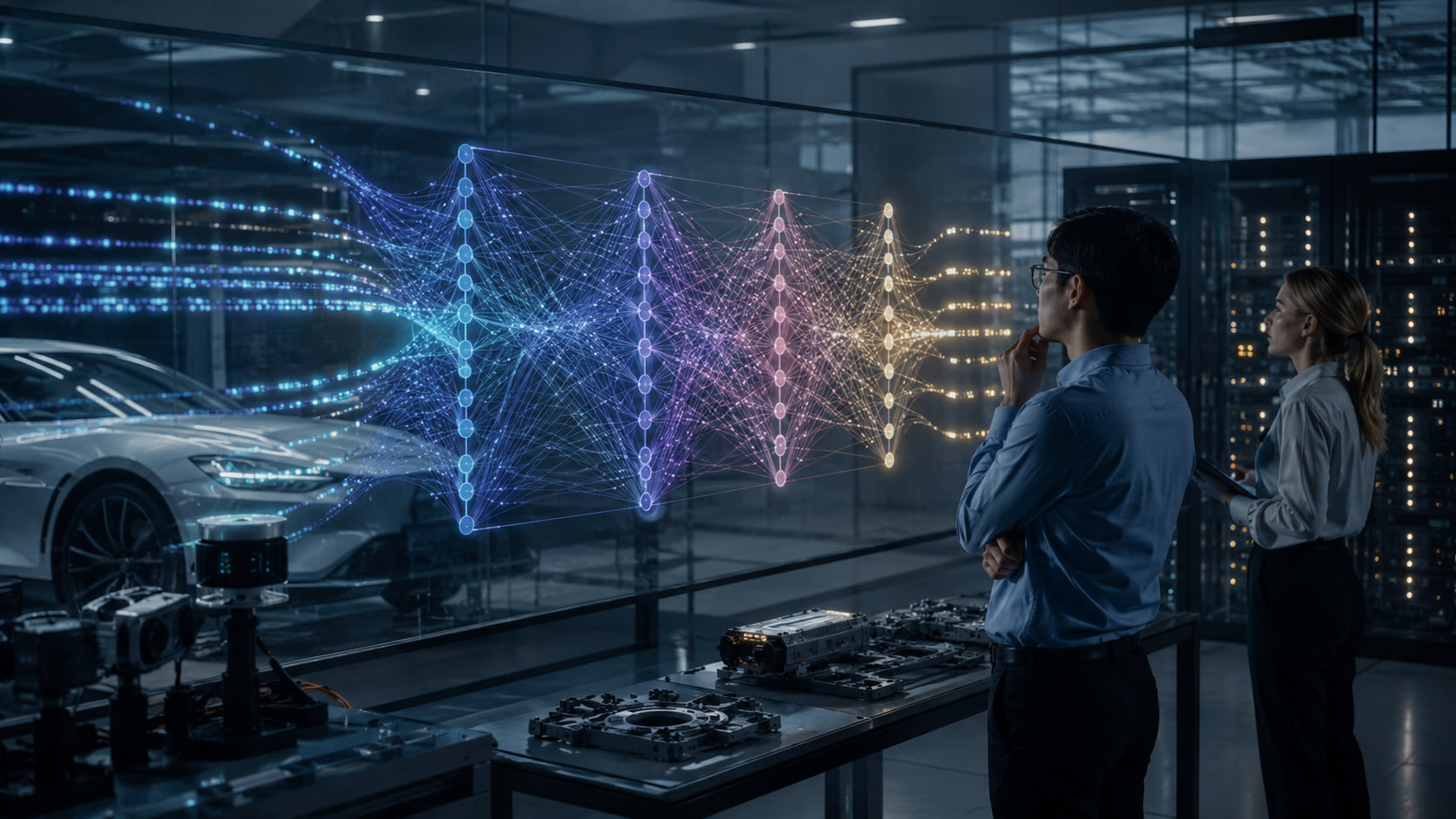
Artificial intelligence often appears almost magical from the outside. Show a neural network enough photographs and it can learn to recognize cars. Feed it millions of sentences and it can learn patterns of language. Give it sensor data from vehicles and it may learn to detect pedestrians, estimate battery health, predict component failures, or recognize dangerous road situations.

A Future Without Work: What Will Humans Do If AI Can Do Almost Everything?
Smart Technologies Automation Predictive Analytics

A Future Without Work: What Will Humans Do If AI Can Do Almost Everything?

The idea of a future without traditional jobs sounds both attractive and unsettling. On one hand, automation could free people from dangerous, exhausting, repetitive, and meaningless work. On the other, employment is not only how most people earn money. Work also provides structure, identity, social status, relationships, purpose, and a sense of contribution.

Recurrent Neural Networks: How RNNs Work, Why They Matter, and Where They Are Used Today
Smart Technologies Innovations AI for Content Creators

Recurrent Neural Networks: How RNNs Work, Why They Matter, and Where They Are Used Today

Recurrent neural networks, usually called RNNs, are one of the foundational architectures in modern artificial intelligence. Before transformers became dominant in language models, RNNs were among the most important tools for processing text, speech, sensor streams, financial data, vehicle telemetry, and other information where the order of events matters.

Inside an AI Data Center: How the World’s Most Advanced AI Infrastructure Really Works
Applications Smart Technologies Automation

Inside an AI Data Center: How the World’s Most Advanced AI Infrastructure Really Works

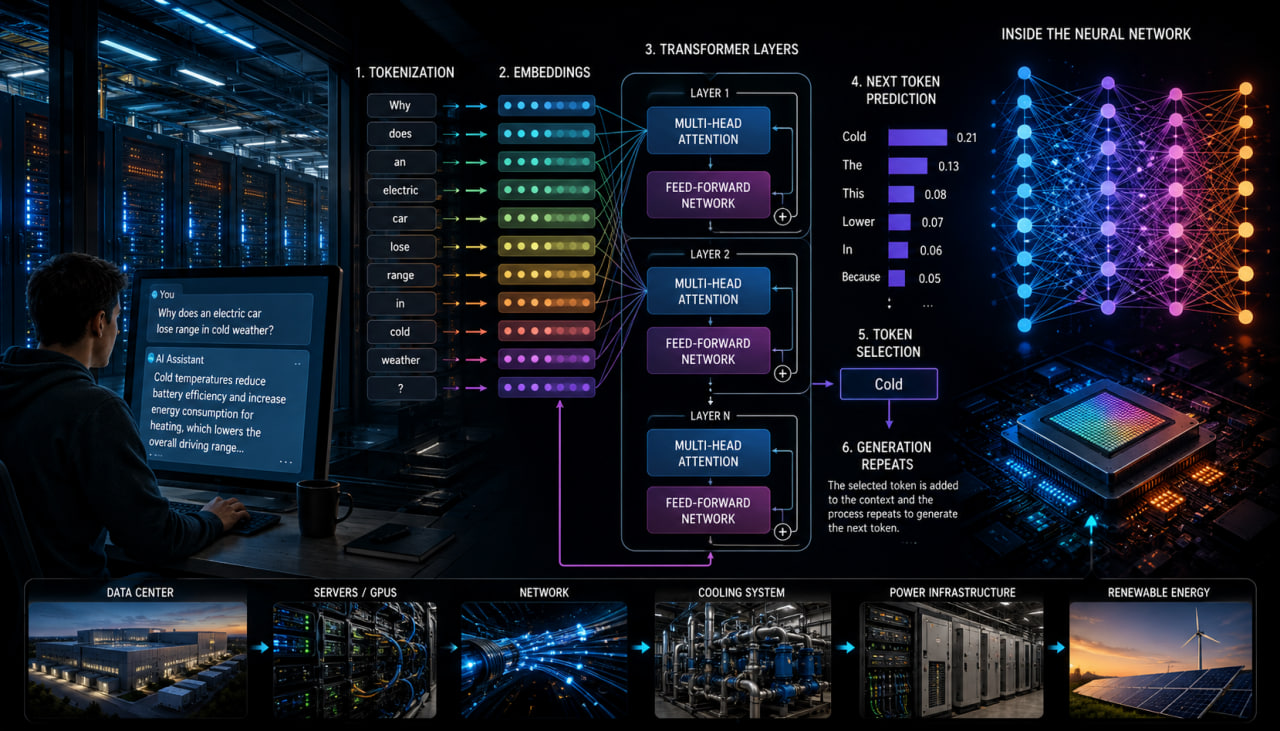
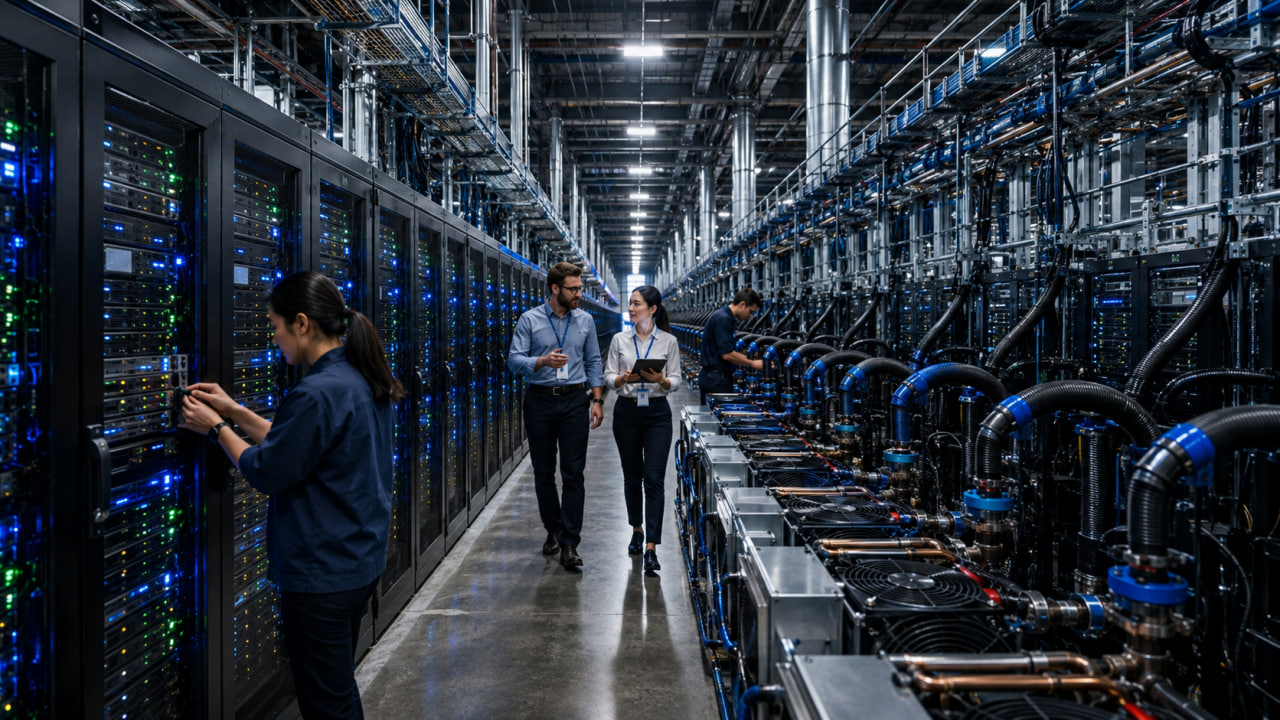
Artificial intelligence may feel like software living somewhere in the cloud, but every AI response ultimately depends on an enormous amount of physical infrastructure. Behind modern systems such as large language models, image generators, recommendation engines, autonomous-driving platforms, and enterprise AI assistants are data centers packed with specialized processors, high-speed networks, cooling systems, power equipment, storage arrays, backup infrastructure, and security controls.

AI and Environmental Protection: How Artificial Intelligence Can Help Solve the Planet’s Biggest Ecological Problems
Applications Smart Technologies Predictive Analytics

AI and Environmental Protection: How Artificial Intelligence Can Help Solve the Planet’s Biggest Ecological Problems

Artificial intelligence is often associated with chatbots, autonomous vehicles, and business automation, but some of its most valuable applications may be environmental. Climate change, biodiversity loss, pollution, deforestation, water scarcity, and inefficient resource use are interconnected problems that generate enormous amounts of data and demand faster decisions than traditional systems can always provide.

AI and Space Exploration: How Artificial Intelligence Will Help Humanity Reach Other Planets
Applications Smart Technologies AI in Space Exploration

AI and Space Exploration: How Artificial Intelligence Will Help Humanity Reach Other Planets

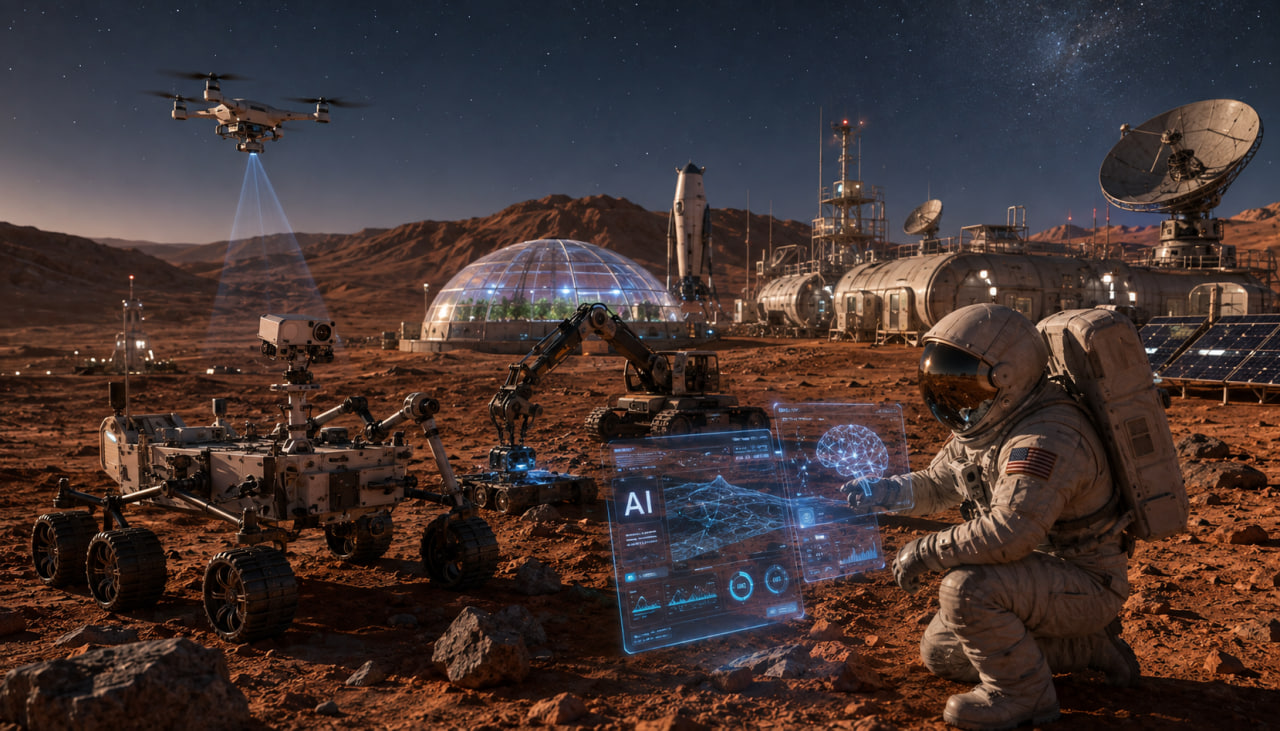
Artificial intelligence is becoming one of the most important technologies in the future of space exploration. As missions travel farther from Earth, spacecraft, robots, and astronauts will face long communication delays, dangerous environments, limited resources, and situations that cannot be managed instantly by mission control.

Brain-Computer Interfaces and AI: The Next Step in Human Evolution?
Applications Smart Technologies Customer Experience

Brain-Computer Interfaces and AI: The Next Step in Human Evolution?

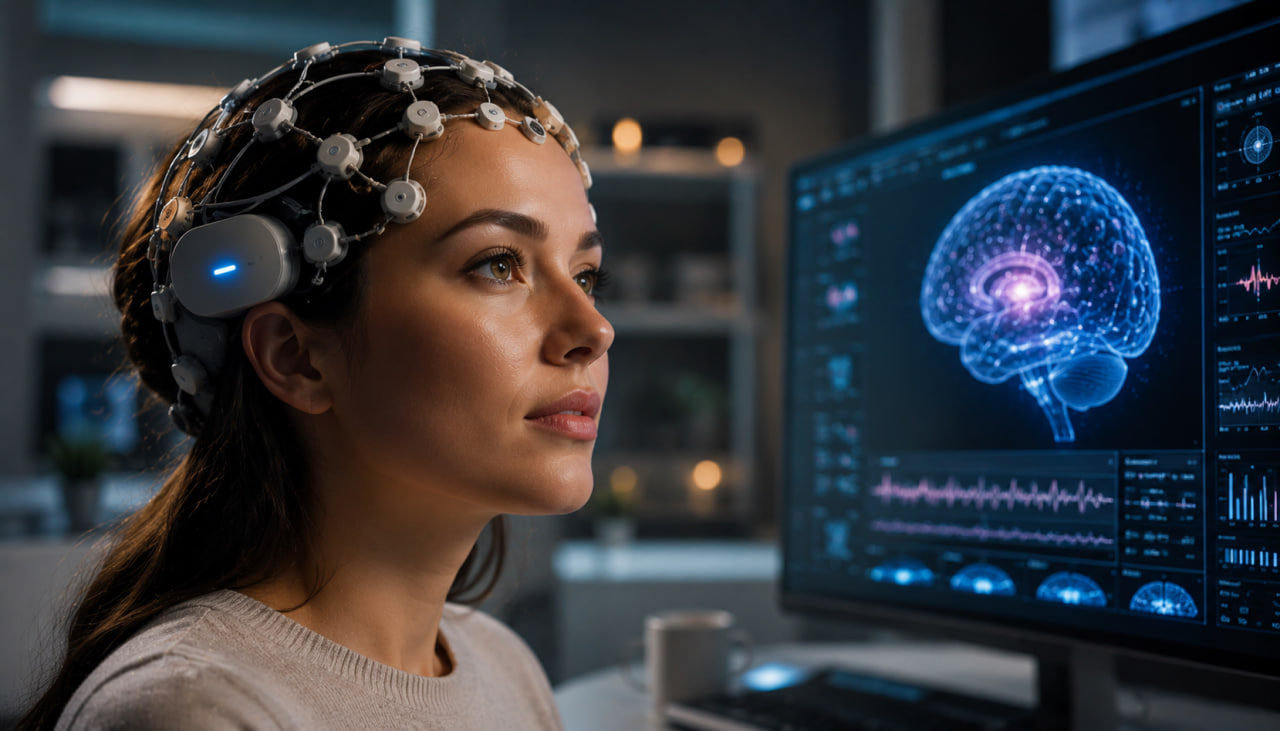
Brain-computer interfaces and artificial intelligence are moving from science fiction into clinical reality. Experimental systems can already translate neural activity into text, synthesized speech, cursor movement, robotic control, and other digital commands. For people living with paralysis or severe communication disorders, these technologies may restore abilities that injury or disease has taken away.