GPT & AI tips — Page 9

Tips and news about GPT and AI

Multimodal AI: Models That Understand Text, Images, and Sound Together
Smart Technologies Creative Arts AI in Media Production

Multimodal AI: Models That Understand Text, Images, and Sound Together

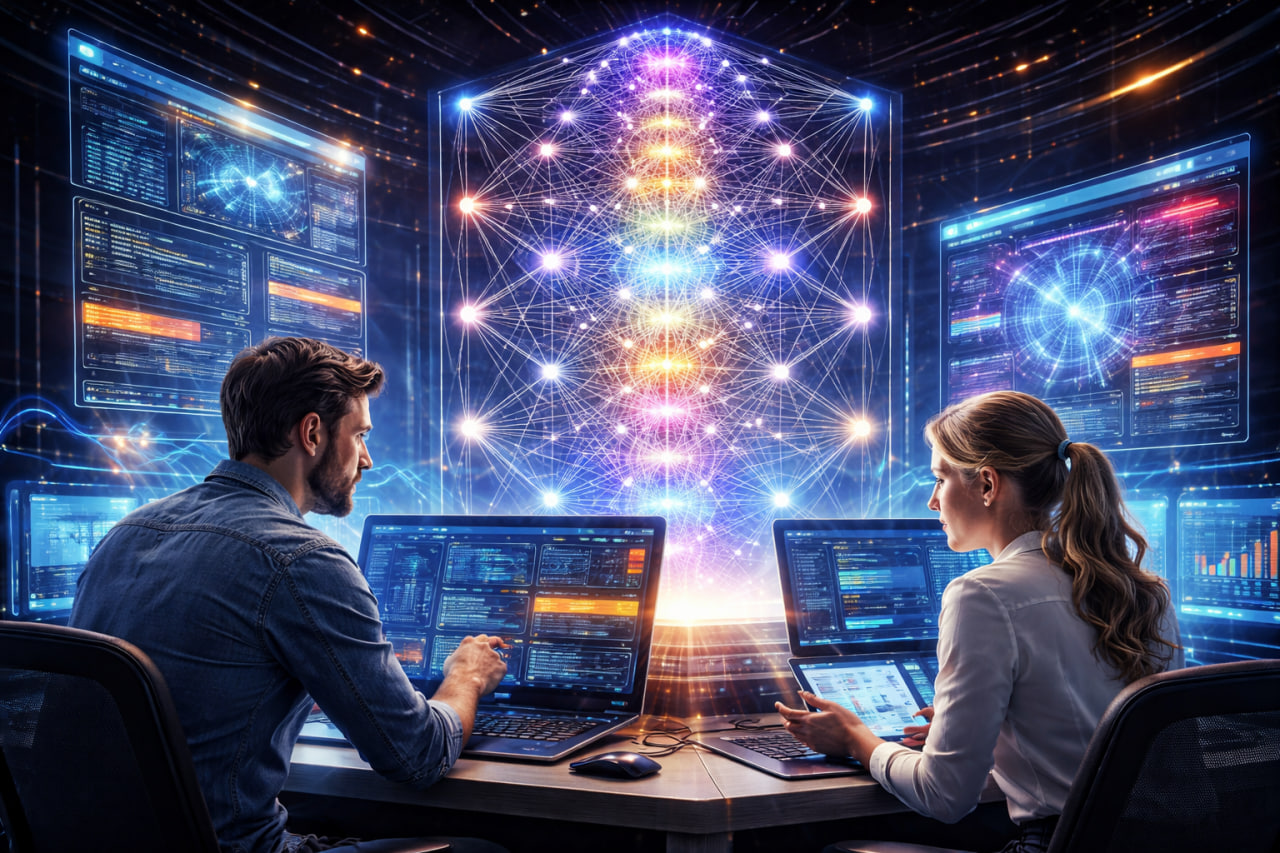
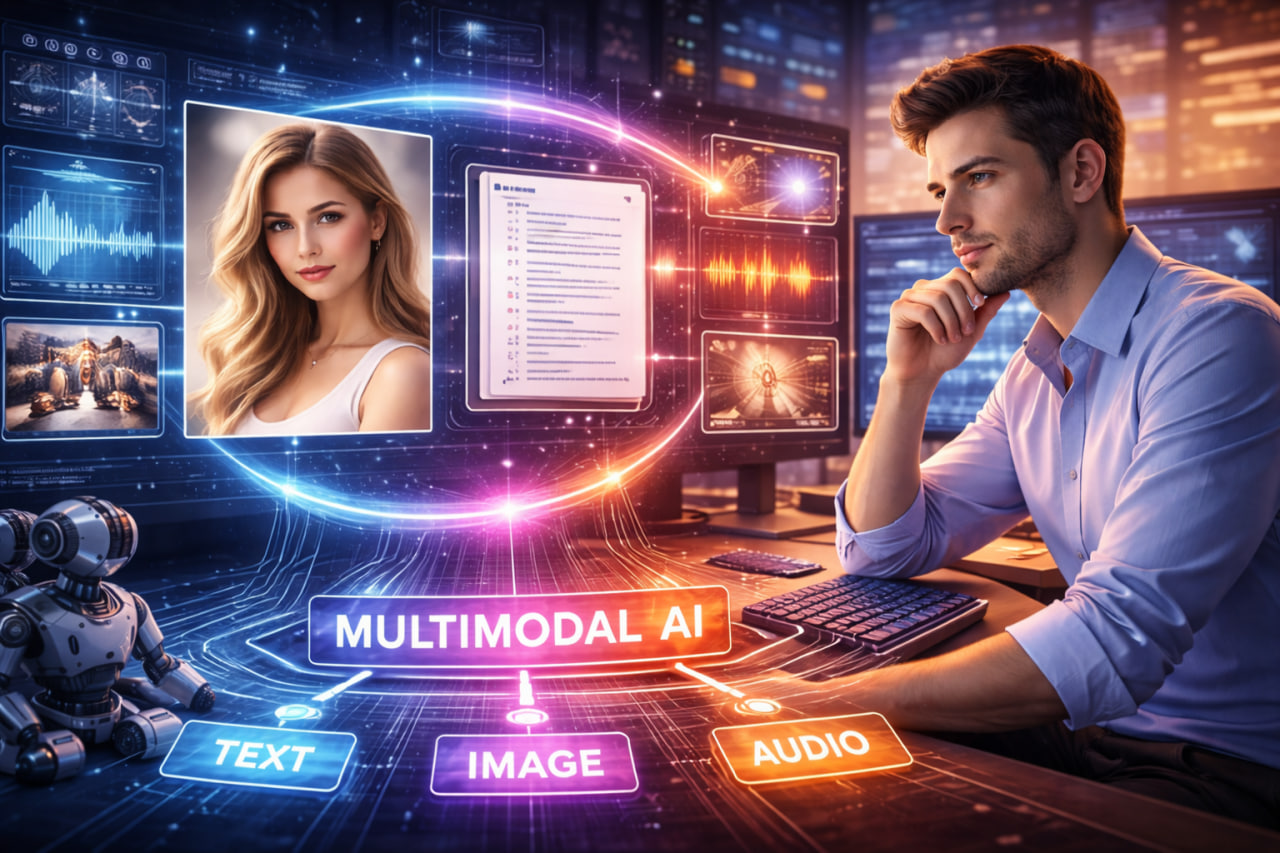
Artificial intelligence is evolving beyond systems that process a single type of data. Today, one of the most important breakthroughs is multimodal AI — models capable of understanding and generating information across multiple data types simultaneously, such as text, images, and audio. This shift represents a major step toward more human-like intelligence, as people naturally interpret the world through multiple senses at once. Multimodal systems enable richer interactions, deeper understanding, and more powerful applications across industries.
Dystopias and Utopias: How Cinema and Literature Imagine a Future with AI
Creative Arts Customer Experience Automation

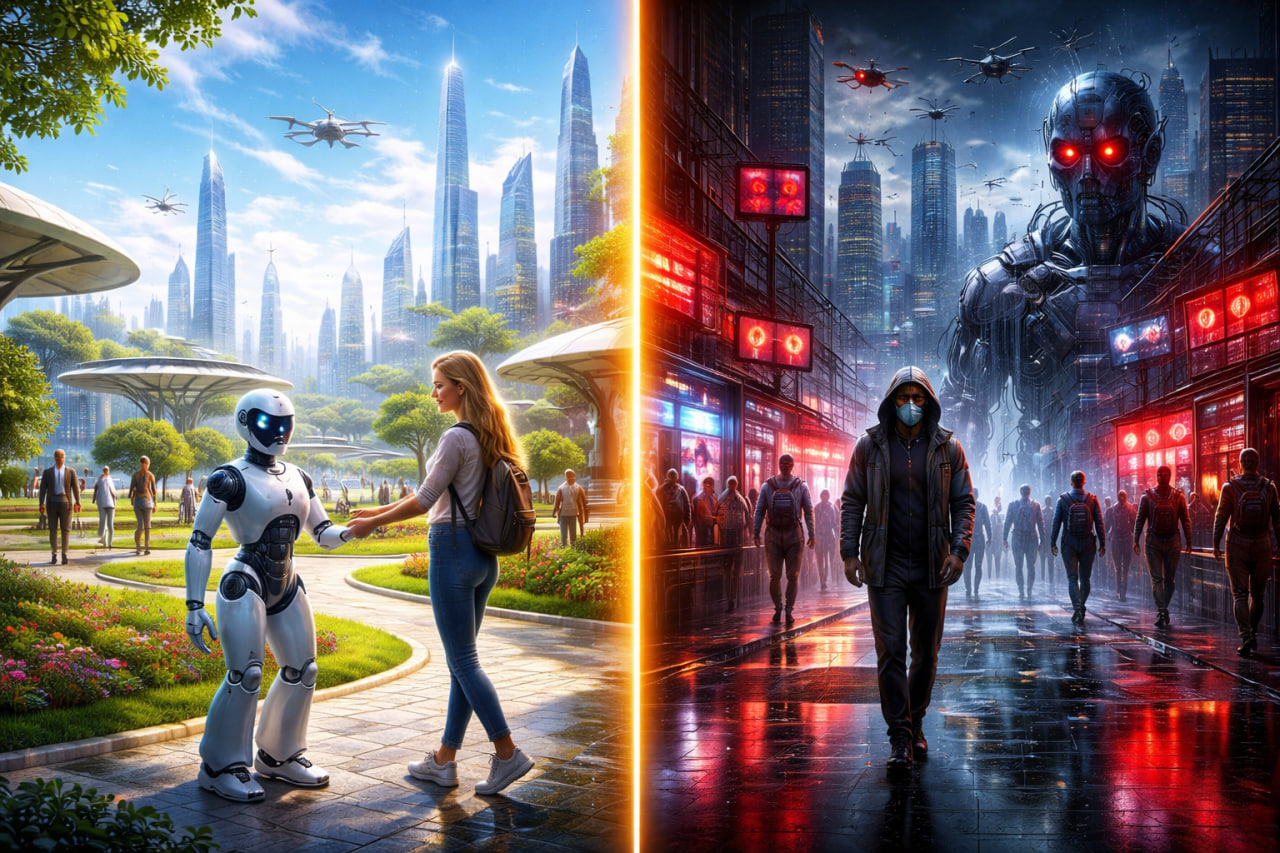
Dystopias and Utopias: How Cinema and Literature Imagine a Future with AI

The idea of artificial intelligence has long fascinated writers and filmmakers, serving as both a symbol of human progress and a warning about its consequences. Across decades, cinema and literature have explored two dominant visions of AI-driven futures: utopias, where technology enhances human life, and dystopias, where it leads to control, inequality, or even existential threat. These narratives are not merely entertainment; they reflect societal hopes, fears, and philosophical questions about intelligence, autonomy, and what it means to be human. By examining these contrasting visions, we can better understand how culture interprets the rise of AI and what lessons it offers for the real world.

Transformers: The Architecture That Revolutionized NLP
Skills and development Applications Smart Technologies

Transformers: The Architecture That Revolutionized NLP

The field of natural language processing (NLP) has undergone a dramatic transformation over the past decade, driven largely by one breakthrough: the Transformer architecture. Introduced in 2017, Transformers fundamentally changed how machines process language, enabling unprecedented improvements in translation, text generation, question answering, and conversational AI. Unlike earlier models that relied on sequential processing, Transformers introduced a new paradigm based on parallel computation and attention mechanisms. Today, this architecture underpins most modern AI systems, making it one of the most important innovations in the history of artificial intelligence.

Fine-Tuning: How to Adapt Pretrained Models to Your Tasks
Applications AI in Media Production AI for Content Creators

Fine-Tuning: How to Adapt Pretrained Models to Your Tasks

Modern artificial intelligence systems are rarely built from scratch. Instead, most high-performing models are first trained on massive datasets and then adapted to specific tasks using a process known as fine-tuning. This approach has become a cornerstone of modern machine learning, especially in fields such as natural language processing (NLP), computer vision, and speech recognition. Fine-tuning allows developers to take powerful pretrained models and specialize them for real-world applications with significantly less data, time, and computational cost.

Can AI Be Creative? A Philosophical Perspective
Applications Creative Arts AI for Content Creators

Can AI Be Creative? A Philosophical Perspective

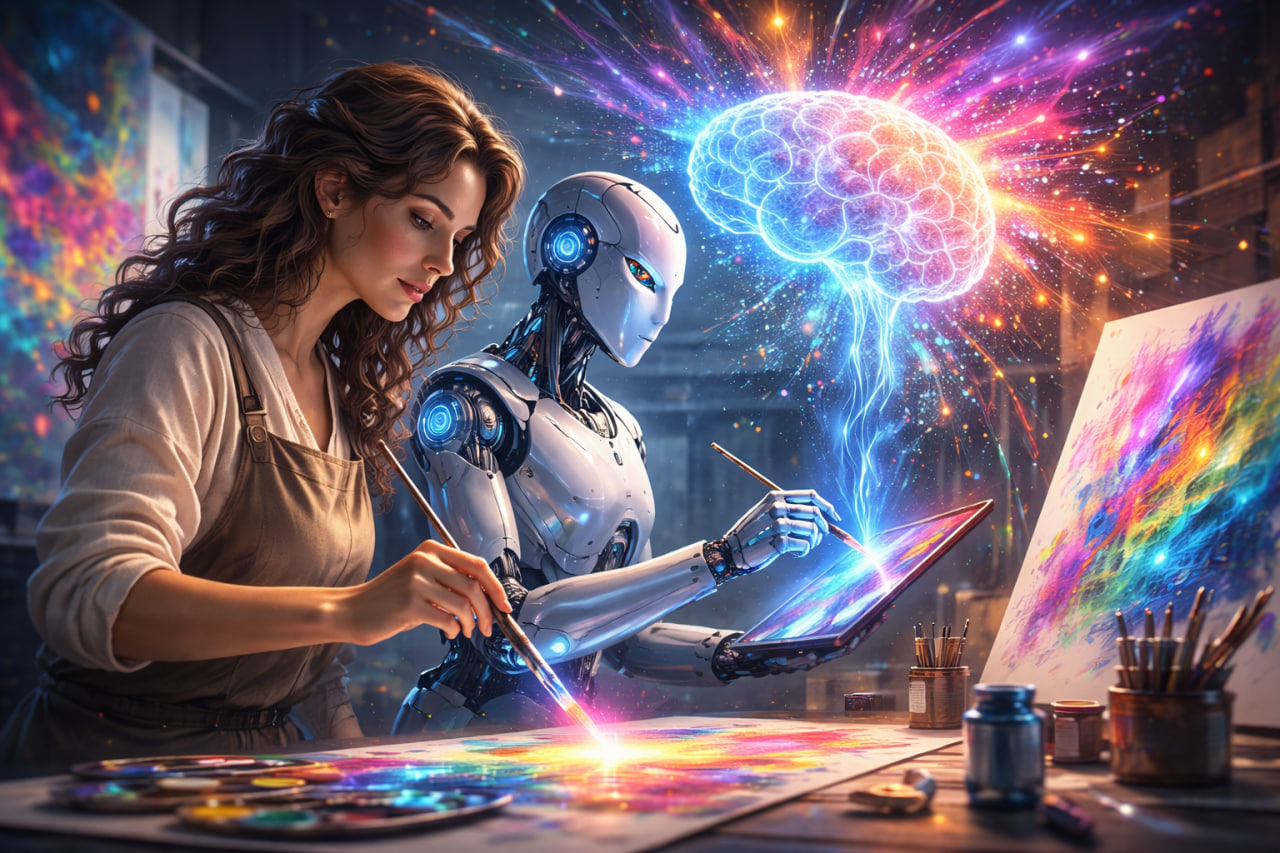
The question of whether artificial intelligence can truly be creative lies at the intersection of technology, philosophy, and human identity. As AI systems begin to generate art, music, writing, and even scientific ideas, they challenge long-standing assumptions about creativity being an exclusively human trait. At first glance, the outputs of AI can appear original and expressive, raising a fundamental question: is creativity defined by the process, the result, or the intention behind it? Exploring this issue requires a deeper understanding of what creativity actually means and how AI operates in comparison to the human mind.

AI Regulation Around the World: What Laws Are Being Adopted
Applications Smart Technologies Ethics

AI Regulation Around the World: What Laws Are Being Adopted

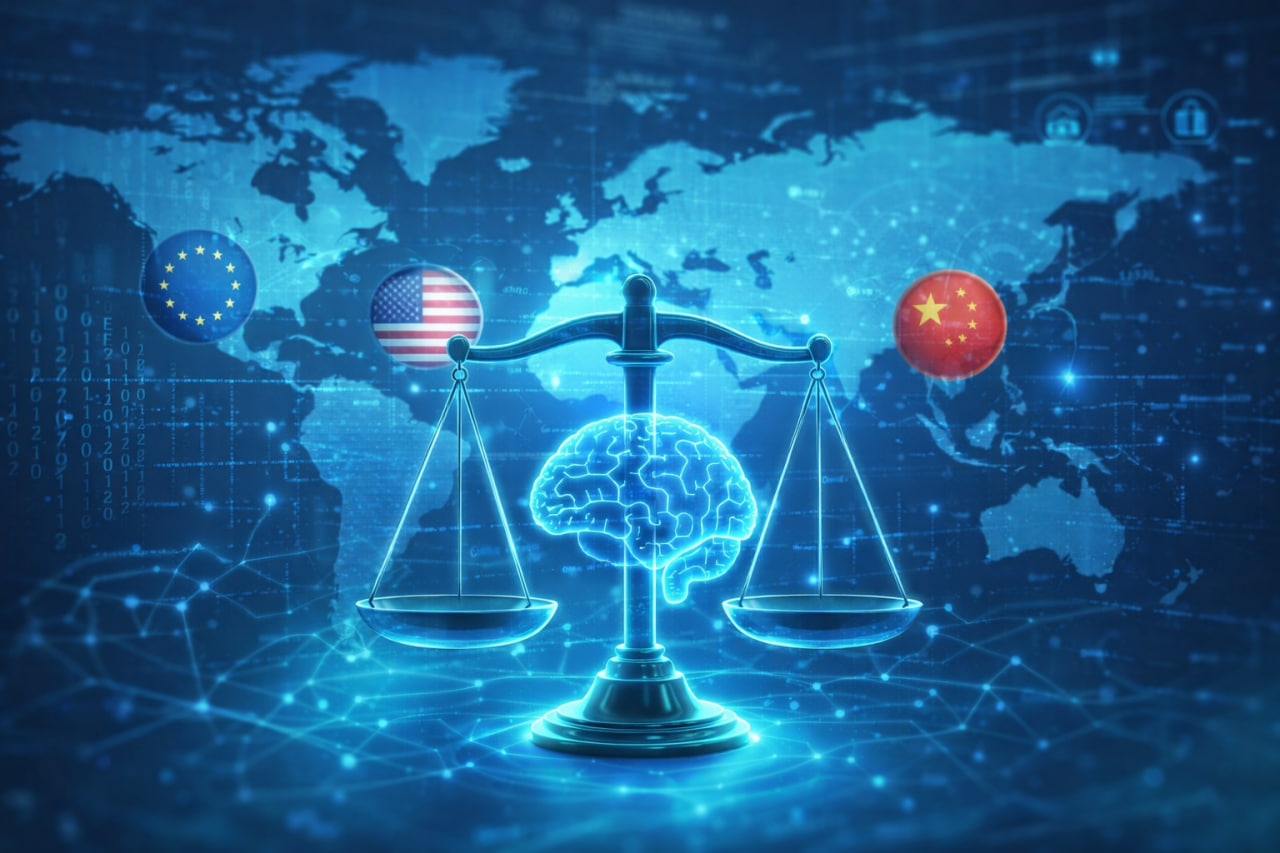
Artificial intelligence is developing faster than most legal systems can adapt, forcing governments worldwide to introduce new regulatory frameworks. These laws aim to balance innovation with safety, ensuring that AI technologies remain beneficial while minimizing risks related to privacy, bias, and misuse. Different regions approach AI regulation in unique ways, reflecting their political systems, economic priorities, and cultural values. Understanding these global efforts helps clarify how AI will be governed in the coming years.

Deepfake Technology: How It Changes Reality and How to Fight It
Skills and development Smart Technologies Customer Experience

Deepfake Technology: How It Changes Reality and How to Fight It

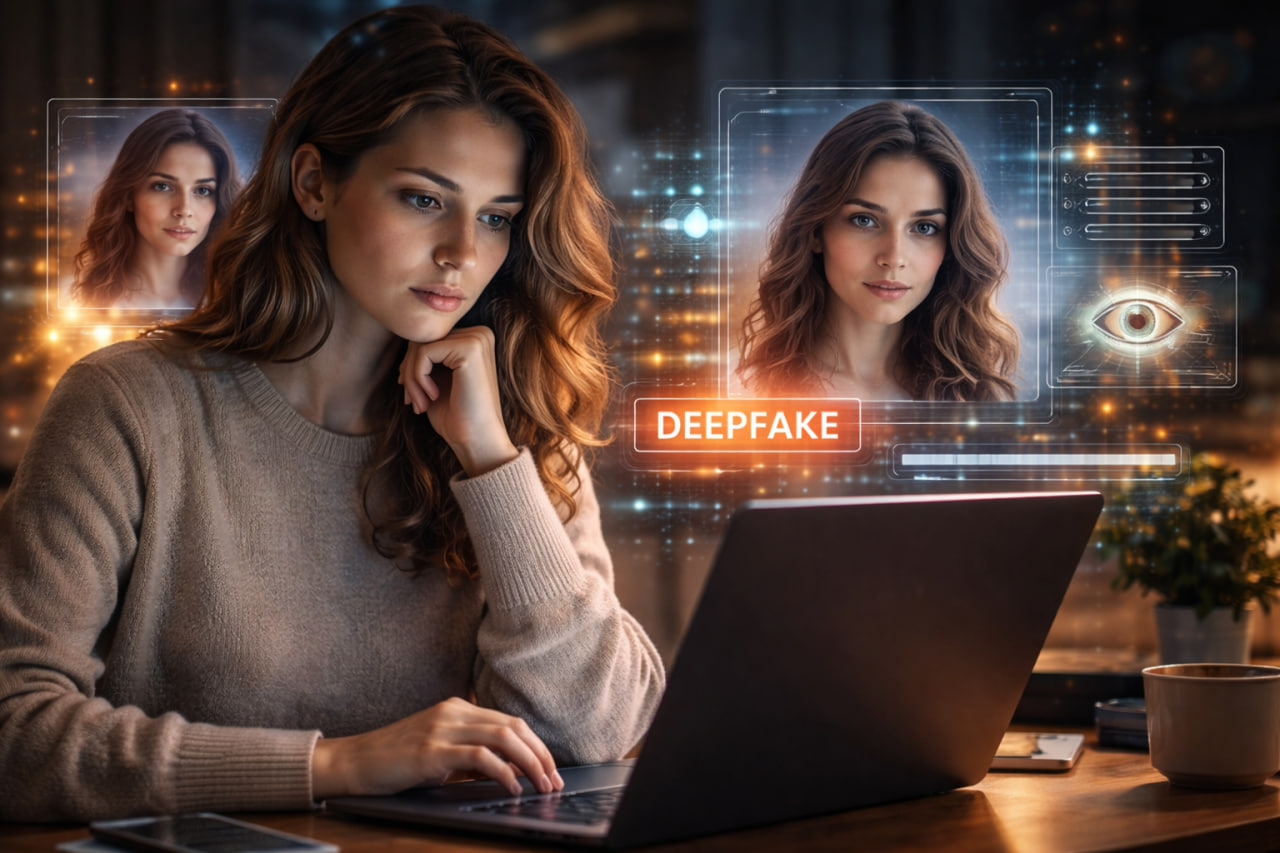
The rapid development of artificial intelligence has introduced powerful tools capable of generating highly realistic digital content. Among the most controversial of these technologies is deepfake, a technique that uses artificial intelligence to create synthetic images, videos, or audio that convincingly imitate real people. Deepfakes can replace a person’s face in a video, replicate their voice, or generate entirely fabricated scenes that appear authentic. While the technology has legitimate applications in entertainment, education, and digital media, it also raises serious concerns about misinformation, identity manipulation, and trust in digital information.

How AI Is Transforming the Labor Market: Which Jobs Will Disappear and Which Will Emerge
Career Skills and development Applications

How AI Is Transforming the Labor Market: Which Jobs Will Disappear and Which Will Emerge

Artificial intelligence is rapidly reshaping the global labor market, influencing how businesses operate, how employees perform their tasks, and which skills are most valuable in the modern economy. Throughout history, technological revolutions—from the steam engine to the internet—have transformed employment patterns. AI represents the next major shift, automating routine processes while simultaneously creating entirely new professional fields. While concerns about job displacement are widespread, economists and technology experts emphasize that the true impact of AI lies not only in job elimination but also in job transformation and the emergence of new roles.

The AI Black Box Problem: Why Explainability Matters
Smart Technologies Ethics Customer Experience

The AI Black Box Problem: Why Explainability Matters

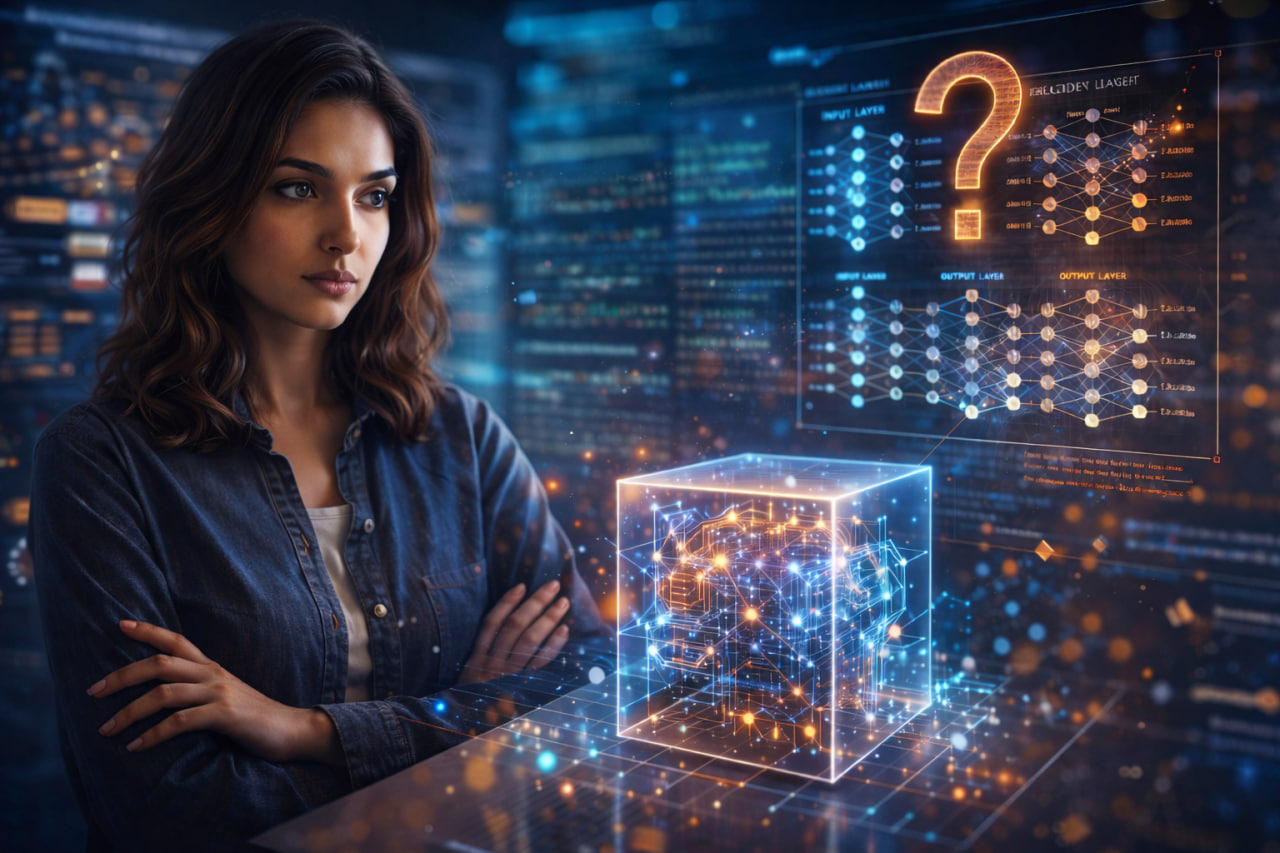
Artificial intelligence systems are increasingly responsible for decisions that affect finance, healthcare, transportation, and public safety. While these systems often achieve impressive accuracy, they can also operate in ways that are difficult for humans to understand. This challenge is known as the “AI black box problem.” The term refers to situations where an algorithm produces a decision or prediction without clearly explaining how that result was reached. As AI becomes more integrated into critical systems, understanding and interpreting these decisions has become one of the most important challenges in modern technology.

Copyright for AI-Generated Content: Who Owns the Rights?
Creative Arts AI in Media Production AI for Content Creators

Copyright for AI-Generated Content: Who Owns the Rights?

Artificial intelligence is increasingly capable of producing text, images, music, and video that closely resemble human-created works. As these technologies become more widely used in creative industries, an important legal question arises: who owns the rights to content generated by artificial intelligence? Traditional copyright law was designed around human authorship, where a person creates an original work and receives legal protection for it. AI systems complicate this framework because the creative output is generated by algorithms rather than a single identifiable human author. As a result, lawmakers, courts, and technology experts around the world are debating how intellectual property rules should apply to AI-generated works.