GPT & AI tips — Page 10

Tips and news about GPT and AI

AI and Privacy: Where Is the Line Between Personalization and Surveillance?
Applications AI in Media Production AI in Cybersecurity

AI and Privacy: Where Is the Line Between Personalization and Surveillance?

Artificial intelligence has dramatically improved the ability of digital systems to understand user behavior and deliver personalized experiences. From recommendation algorithms in streaming services to targeted advertising and smart assistants, AI analyzes large volumes of data to predict user preferences and optimize services. While this level of personalization can make technology more convenient and efficient, it also raises important concerns about privacy and surveillance. As AI systems collect and process increasing amounts of personal data, society faces a critical question: where is the boundary between helpful personalization and intrusive monitoring?

Smart Cities: How AI Manages Traffic, Energy Consumption, and Urban Safety
Applications Smart Technologies Automation

Smart Cities: How AI Manages Traffic, Energy Consumption, and Urban Safety

Urbanization is accelerating worldwide, placing increasing pressure on transportation systems, energy grids, and public safety infrastructure. Traditional city management models, which rely heavily on manual oversight and reactive decision-making, struggle to keep pace with growing population density and infrastructure complexity. In response, municipalities are integrating artificial intelligence (AI) into urban systems to create what is known as a smart city — an interconnected environment where data-driven technologies optimize daily operations. AI does not simply automate tasks; it analyzes massive real-time data streams to predict congestion, balance electricity demand, and enhance public safety. As cities evolve, AI is becoming a foundational technology that reshapes how urban environments function.

Robotics and AI in Manufacturing: The Transformation of Modern Industry
Applications Smart Technologies Innovations

Robotics and AI in Manufacturing: The Transformation of Modern Industry

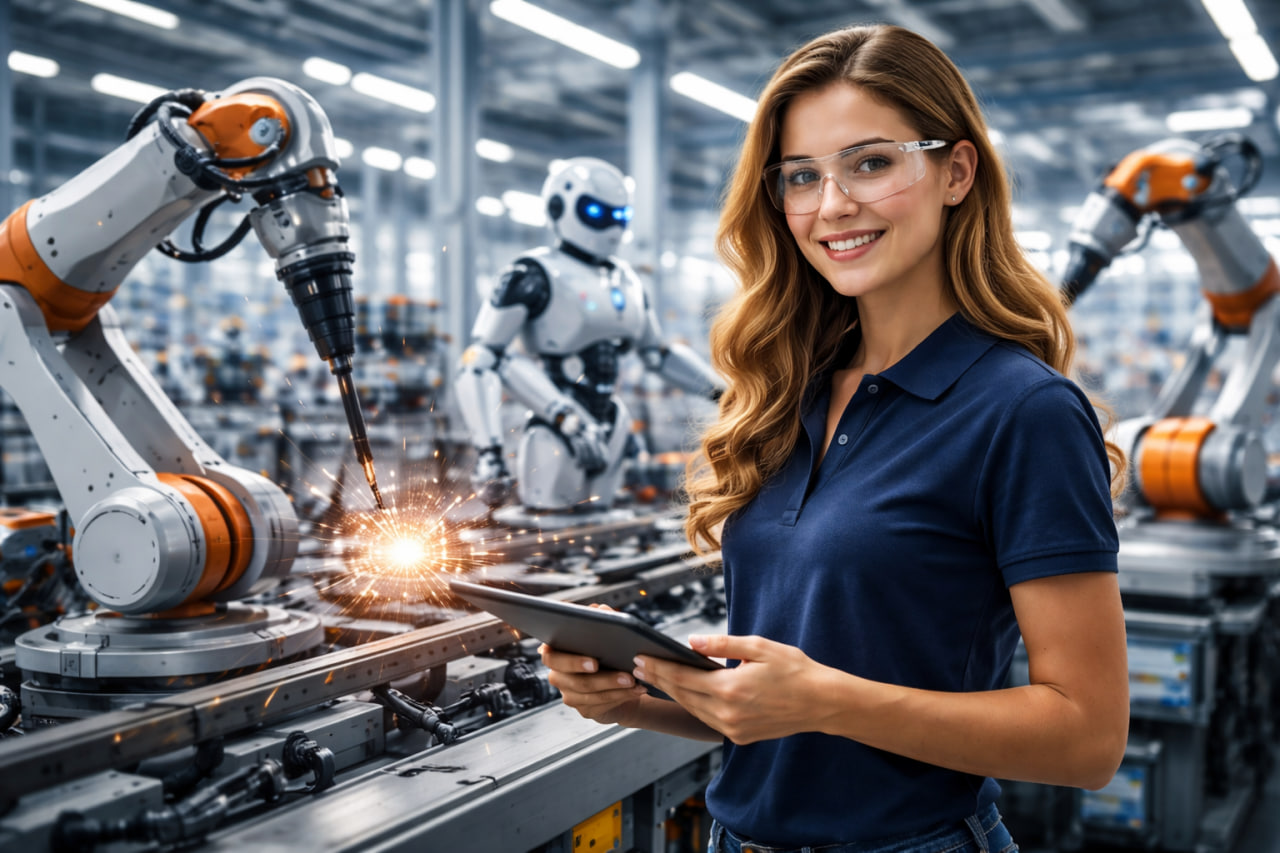
Industrial production has undergone several technological revolutions, from mechanization and electrification to automation and digitalization. Today, the integration of robotics and artificial intelligence (AI) marks the next major shift, often referred to as Industry 4.0. Unlike traditional automation, which follows fixed programmed instructions, AI-powered systems can analyze data, learn from patterns, and adapt to changing conditions. This combination of intelligent software and advanced robotics is redefining efficiency, safety, and productivity across global manufacturing sectors.

Bias in Algorithms: Why Artificial Intelligence Can Become Discriminatory
Applications Ethics Sustainability

Bias in Algorithms: Why Artificial Intelligence Can Become Discriminatory

Artificial intelligence is often perceived as objective because it relies on mathematics, statistics, and data-driven decision-making. However, AI systems are not inherently neutral. They learn from historical data, human-designed models, and real-world environments that may contain structural inequalities. When these biases are reflected in training data or algorithmic design, the resulting systems can unintentionally produce discriminatory outcomes. Understanding algorithmic bias is essential for ensuring that AI technologies are deployed responsibly across industries such as finance, healthcare, hiring, and law enforcement.

AI in Education: Adaptive Learning, Intelligent Assessment, and Digital Tutors Transforming Modern Learning
Education and training Skills and development Everyday Life

AI in Education: Adaptive Learning, Intelligent Assessment, and Digital Tutors Transforming Modern Learning

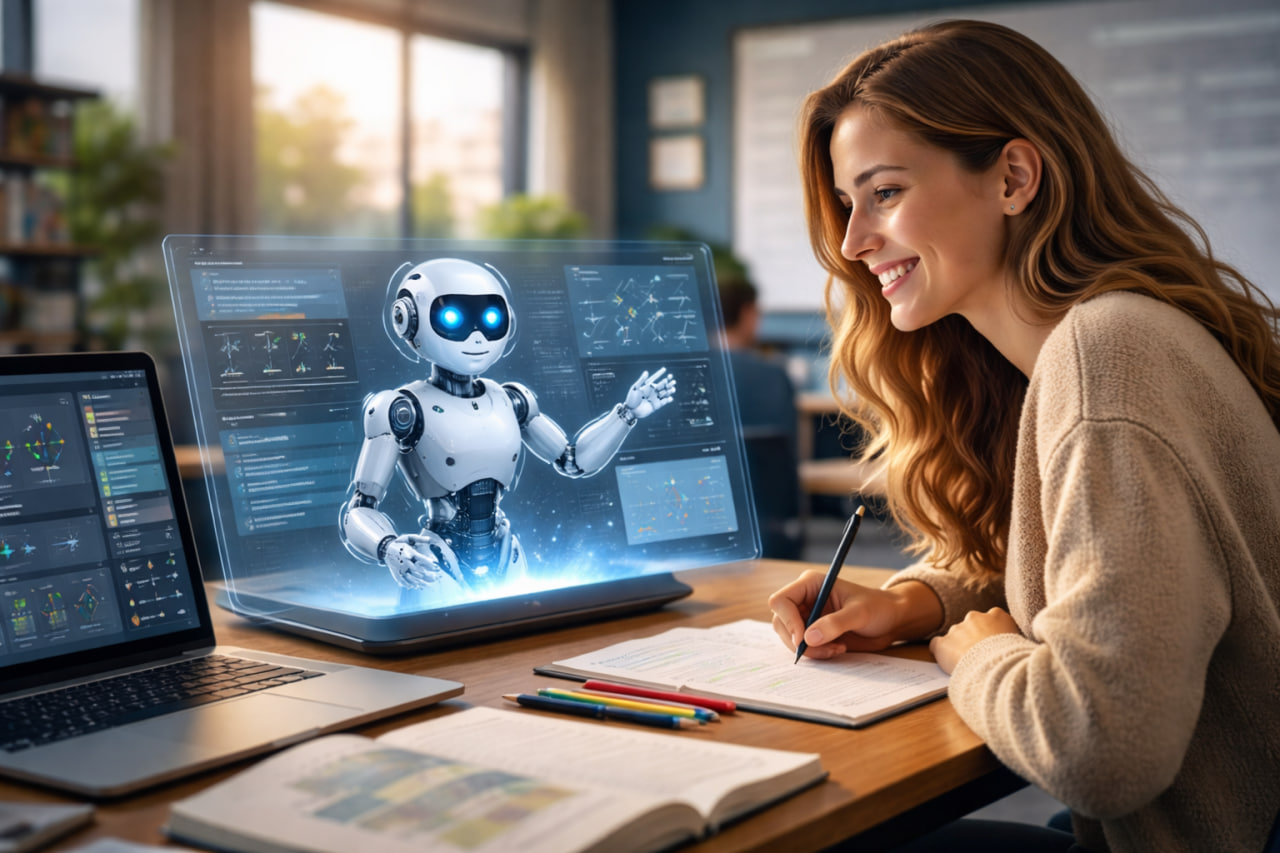
Artificial intelligence is fundamentally reshaping the global education system by introducing personalized instruction models, automated performance evaluation, and intelligent digital support tools. Traditional education has long relied on standardized curricula, fixed pacing, and classroom-wide instruction, which often fail to accommodate individual learning differences. Today, artificial intelligence (AI) enables adaptive systems that respond dynamically to each learner’s progress, strengths, and weaknesses. Rather than replacing teachers, AI enhances their effectiveness by providing data-driven insights and scalable support mechanisms. As educational institutions increasingly adopt digital infrastructure, AI is becoming a strategic pillar in improving engagement, performance, and long-term academic outcomes.

How Lawyers Use AI for Document and Case Law Analysis
Skills and development Applications Automation

How Lawyers Use AI for Document and Case Law Analysis

Artificial intelligence is rapidly transforming the legal profession, particularly in the areas of document analysis and case law research. Traditionally, lawyers spent countless hours reviewing contracts, scanning precedents, and preparing legal arguments manually. Today, AI-powered tools significantly reduce research time, improve accuracy, and uncover insights that may otherwise remain hidden. While AI does not replace legal expertise, it enhances efficiency and supports more informed legal decision-making.

AI in Marketing: Personalization, Click Prediction, and Chatbots for Customer Support
Career Business Growth AI in Media Production

AI in Marketing: Personalization, Click Prediction, and Chatbots for Customer Support

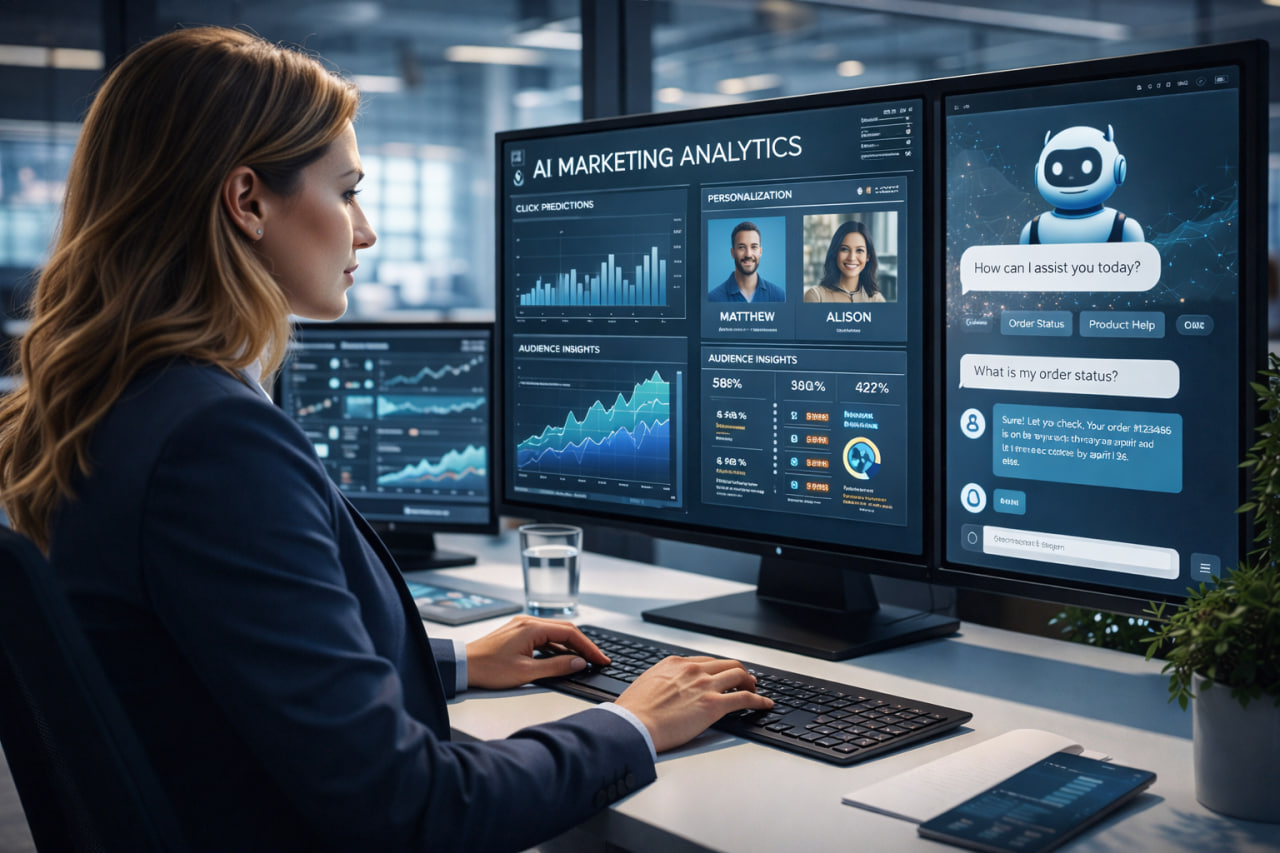
Artificial intelligence has become a transformative force in modern marketing, reshaping how brands communicate, predict behavior, and build long-term customer relationships. Traditional marketing relied heavily on demographic segmentation and broad messaging strategies, often resulting in inefficient campaigns and wasted budgets. Today, AI enables real-time analysis of user behavior, allowing companies to deliver highly targeted and personalized experiences. From predicting which advertisement a customer is likely to click to automating customer support through intelligent chatbots, AI is redefining digital engagement at scale.

Creative Professions and AI: A Threat or a New Tool?
Skills and development Creative Arts AI in Media Production

Creative Professions and AI: A Threat or a New Tool?

The rapid development of artificial intelligence has sparked intense debate across creative industries. Designers, writers, musicians, filmmakers, and illustrators increasingly encounter AI systems capable of generating images, composing music, editing videos, and producing written content within seconds. This technological shift raises a fundamental question: is AI a threat to creative professions, or does it represent a powerful new instrument that expands human potential? The answer lies not in extremes, but in understanding how creativity, technology, and human originality interact.

Tools for Speech Recognition and Speech Synthesis: How Modern Voice Technologies Work
Skills and development Creative Arts AI in Media Production

Tools for Speech Recognition and Speech Synthesis: How Modern Voice Technologies Work

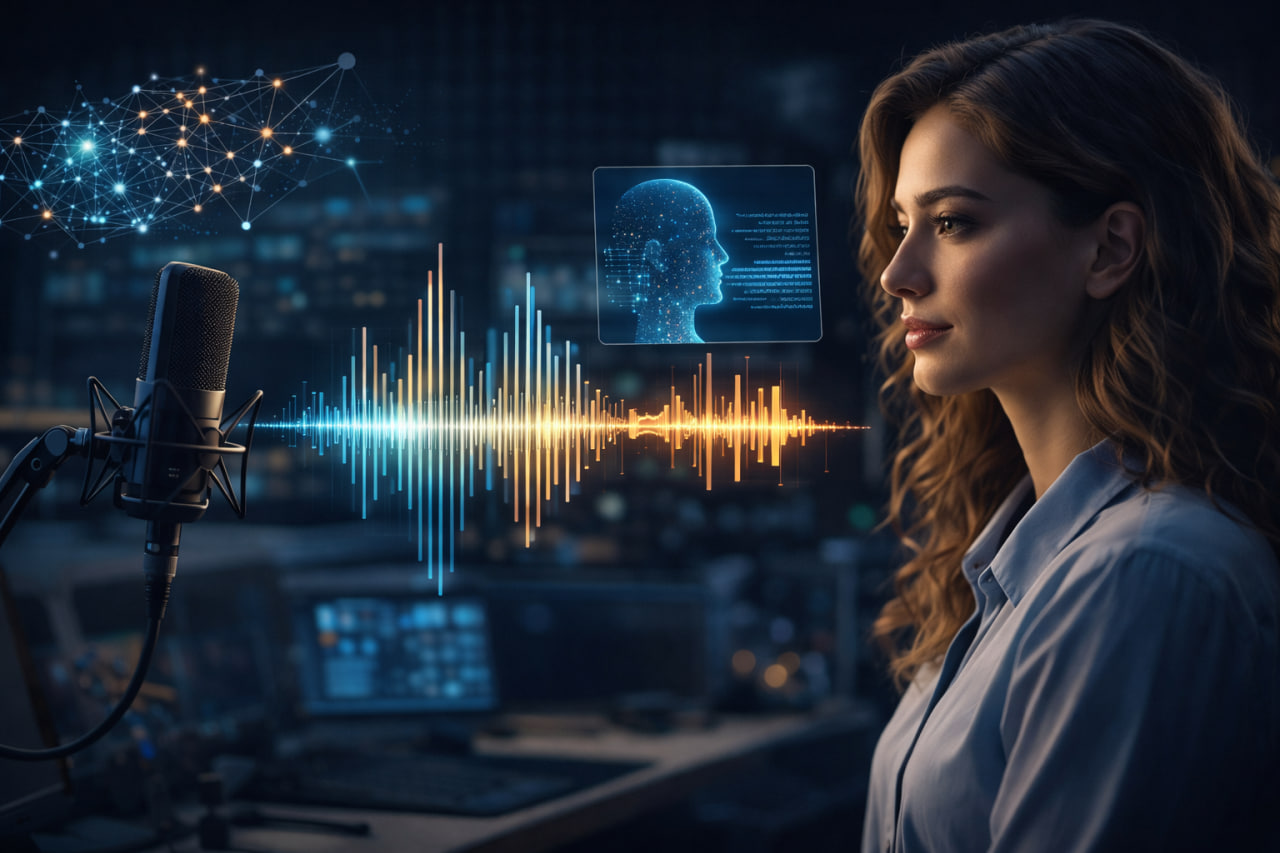
Speech technologies have become a fundamental part of everyday digital interaction, enabling humans to communicate naturally with machines. From voice assistants and automated customer support to accessibility tools and content creation, speech recognition and speech synthesis are transforming how information is processed and delivered. These technologies rely on artificial intelligence to convert spoken language into text and generate natural-sounding speech from written content. Understanding the tools behind these systems helps explain their capabilities, limitations, and real-world value.

How AI Is Transforming Medicine: Diagnostics, Drug Development, and Personalized Care
Smart Technologies Emergency Management AI for Everyday Life

How AI Is Transforming Medicine: Diagnostics, Drug Development, and Personalized Care

Artificial intelligence is rapidly reshaping modern medicine, fundamentally changing how diseases are detected, treated, and managed. What once relied heavily on manual analysis and generalized treatment protocols is now increasingly supported by data-driven algorithms capable of learning from millions of medical cases. AI does not replace doctors, but it significantly enhances their ability to make accurate decisions, reduce risks, and deliver more personalized care. The integration of AI into healthcare marks one of the most profound technological shifts in medical history.