Skills and development

The Race of Technology Giants: Who Is Leading the Future?
Skills and development Smart Technologies Creative Arts

The Race of Technology Giants: Who Is Leading the Future?

The global technology industry is entering one of the most competitive periods in modern history. Artificial intelligence, cloud computing, semiconductors, robotics, quantum research, and digital infrastructure are now driving a massive race between the world’s largest technology companies. What makes this competition unique is scale. The leading corporations are investing hundreds of billions of dollars into AI systems, cloud platforms, chips, autonomous technologies, and next-generation digital ecosystems. The outcome of this technological race may shape the global economy for decades. Today, the biggest competitors include: Microsoft OpenAI Google NVIDIA Amazon Apple Meta Tesla AMD Chinese technology giants such as Tencent, Alibaba, Huawei, and Baidu Each company dominates different areas of innovation, but artificial intelligence has become the central battlefield.

AI and Web3: Where the Technologies Intersect
Skills and development Applications Smart Technologies

AI and Web3: Where the Technologies Intersect

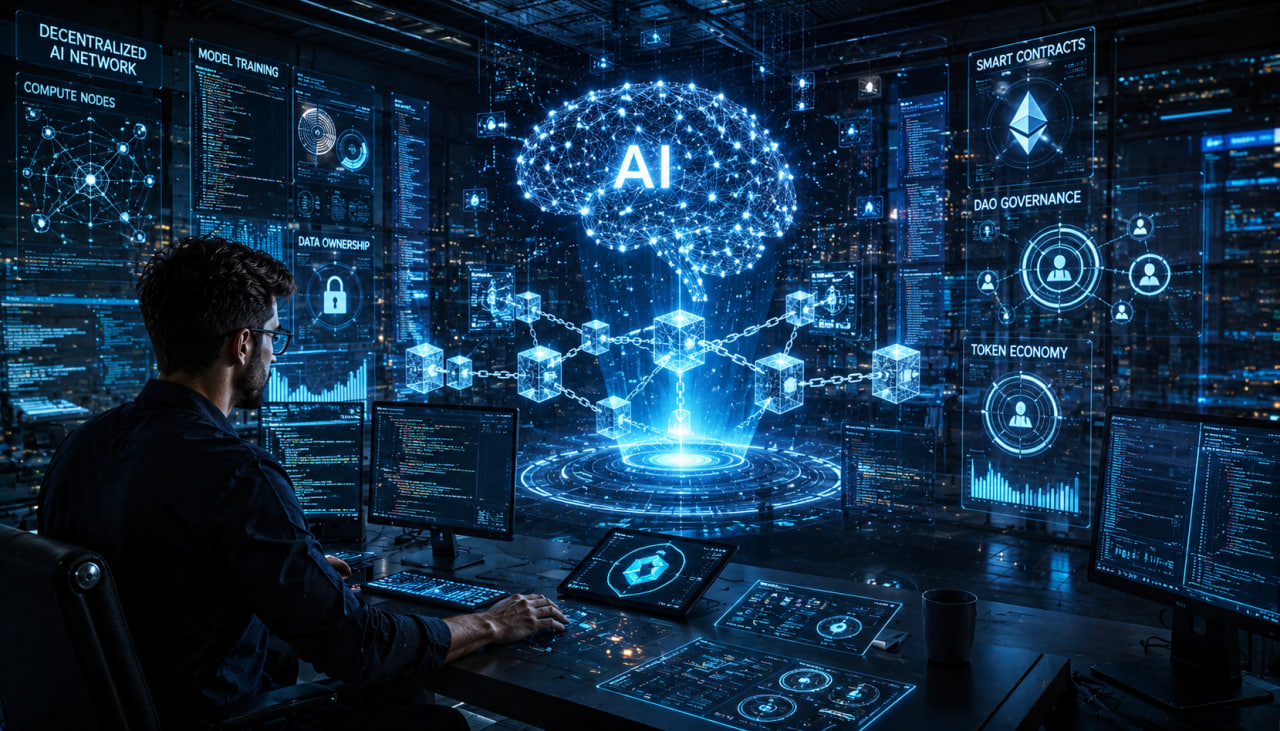
Artificial intelligence and Web3 are two of the most transformative technologies of the modern digital era. Individually, both industries are already reshaping business, finance, software development, content creation, and online infrastructure. Together, they could fundamentally change how digital systems operate over the next decade. AI focuses on automation, reasoning, data analysis, and intelligent decision-making. Web3 focuses on decentralization, blockchain infrastructure, digital ownership, and trustless systems. At first glance, the technologies may appear unrelated. In reality, they are increasingly converging in areas such as decentralized AI marketplaces, autonomous agents, blockchain automation, tokenized computing, data ownership, and AI-powered smart contracts. This intersection is creating an entirely new ecosystem where intelligence and decentralization merge into one digital infrastructure layer.

The Best AI Startups of the Last Year
Skills and development Applications Smart Technologies

The Best AI Startups of the Last Year

Artificial intelligence startups experienced explosive growth over the last year. While large companies like OpenAI, Google, Microsoft, and Anthropic continued dominating headlines, a new generation of AI startups rapidly emerged across sectors such as automation, coding, video generation, enterprise AI, robotics, healthcare, cybersecurity, and creative tools. What makes the current AI startup wave different is speed. Many young companies reached billion-dollar valuations in record time thanks to growing demand for AI-powered productivity, automation, and content generation. Investors are no longer funding AI startups based only on ideas. The strongest companies are building real products with paying users, enterprise integrations, and scalable infrastructure. Below are some of the most important and influential AI startups that gained attention over the last year and why they matter.

Artificial Intelligence: What Awaits Us in the Near Future
Skills and development Smart Technologies Creative Arts

Artificial Intelligence: What Awaits Us in the Near Future

Artificial intelligence is no longer a distant concept confined to research labs—it is rapidly becoming a core part of everyday life. From recommendation systems and voice assistants to autonomous vehicles and medical diagnostics, AI is already transforming how we live and work. The key question now is not whether AI will shape the future, but how quickly and in what ways it will do so. In the coming years, AI is expected to move from a powerful tool to an invisible infrastructure layer embedded in nearly every industry. Understanding these changes is essential for individuals, businesses, and governments alike.

Reinforcement Learning: How AI Learns from Mistakes
Skills and development Applications Creative Arts

Reinforcement Learning: How AI Learns from Mistakes

Artificial intelligence does not always learn by simply analyzing labeled data. In many real-world scenarios, systems must make decisions, evaluate outcomes, and improve over time through trial and error. This approach is known as reinforcement learning (RL) — one of the most powerful and conceptually fascinating areas of modern AI. Reinforcement learning enables machines to learn optimal behavior by interacting with an environment, receiving feedback, and adjusting actions based on experience. It is the foundation behind breakthroughs in robotics, game-playing AI, autonomous driving, and decision-making systems.

Transformers: The Architecture That Revolutionized NLP
Skills and development Applications Smart Technologies

Transformers: The Architecture That Revolutionized NLP

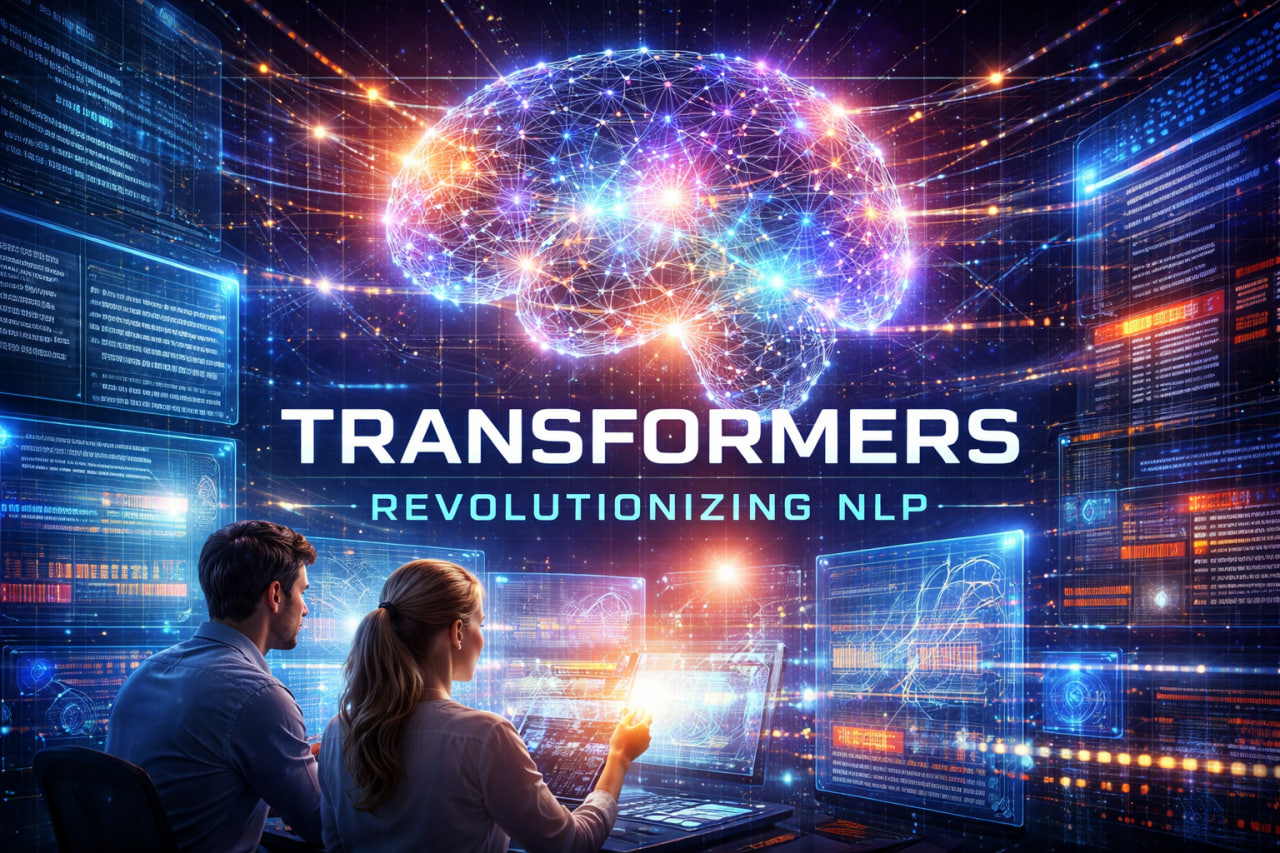
The field of natural language processing (NLP) has undergone a dramatic transformation over the past decade, driven largely by one breakthrough: the Transformer architecture. Introduced in 2017, Transformers fundamentally changed how machines process language, enabling unprecedented improvements in translation, text generation, question answering, and conversational AI. Unlike earlier models that relied on sequential processing, Transformers introduced a new paradigm based on parallel computation and attention mechanisms. Today, this architecture underpins most modern AI systems, making it one of the most important innovations in the history of artificial intelligence.

Deepfake Technology: How It Changes Reality and How to Fight It
Skills and development Smart Technologies Customer Experience

Deepfake Technology: How It Changes Reality and How to Fight It

The rapid development of artificial intelligence has introduced powerful tools capable of generating highly realistic digital content. Among the most controversial of these technologies is deepfake, a technique that uses artificial intelligence to create synthetic images, videos, or audio that convincingly imitate real people. Deepfakes can replace a person’s face in a video, replicate their voice, or generate entirely fabricated scenes that appear authentic. While the technology has legitimate applications in entertainment, education, and digital media, it also raises serious concerns about misinformation, identity manipulation, and trust in digital information.

How AI Is Transforming the Labor Market: Which Jobs Will Disappear and Which Will Emerge
Career Skills and development Applications

How AI Is Transforming the Labor Market: Which Jobs Will Disappear and Which Will Emerge

Artificial intelligence is rapidly reshaping the global labor market, influencing how businesses operate, how employees perform their tasks, and which skills are most valuable in the modern economy. Throughout history, technological revolutions—from the steam engine to the internet—have transformed employment patterns. AI represents the next major shift, automating routine processes while simultaneously creating entirely new professional fields. While concerns about job displacement are widespread, economists and technology experts emphasize that the true impact of AI lies not only in job elimination but also in job transformation and the emergence of new roles.

AI in Education: Adaptive Learning, Intelligent Assessment, and Digital Tutors Transforming Modern Learning
Education and training Skills and development Everyday Life

AI in Education: Adaptive Learning, Intelligent Assessment, and Digital Tutors Transforming Modern Learning

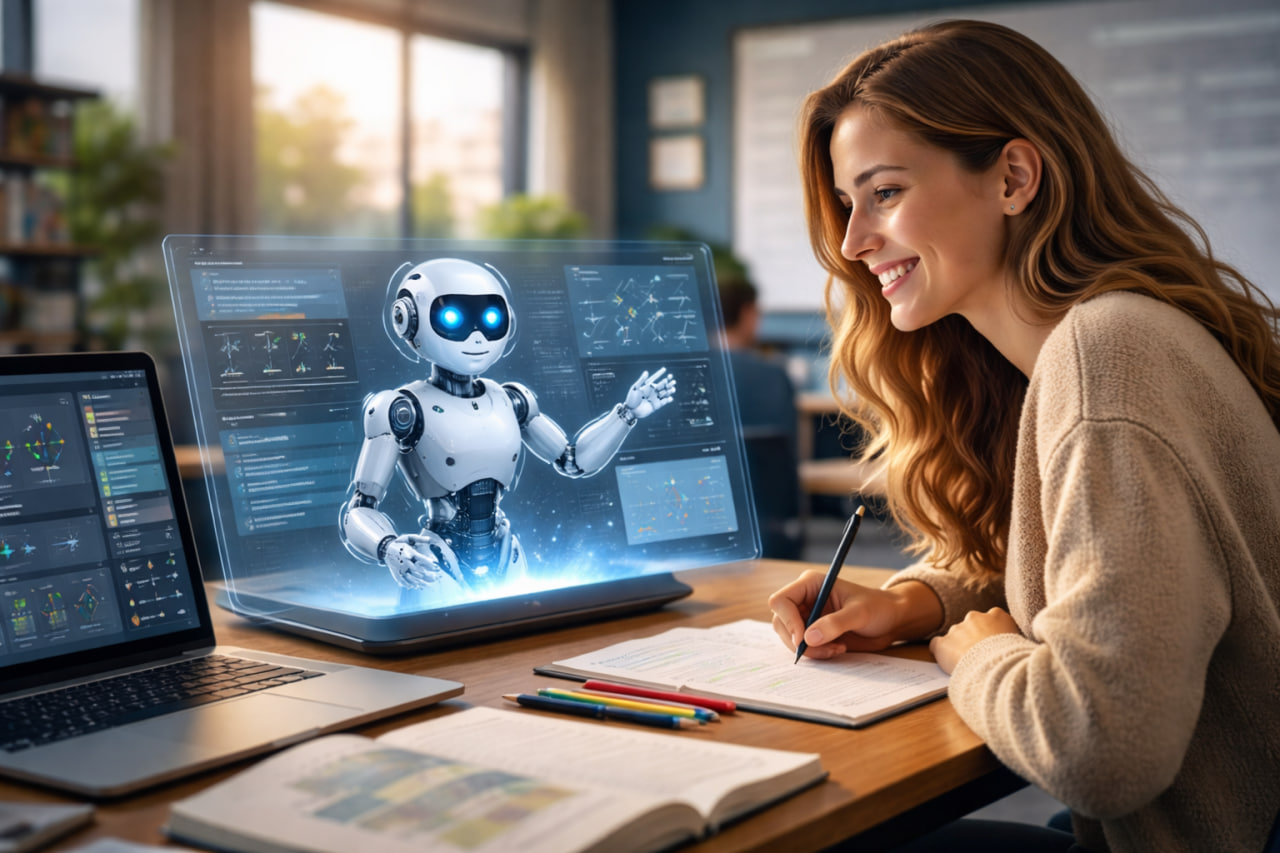
Artificial intelligence is fundamentally reshaping the global education system by introducing personalized instruction models, automated performance evaluation, and intelligent digital support tools. Traditional education has long relied on standardized curricula, fixed pacing, and classroom-wide instruction, which often fail to accommodate individual learning differences. Today, artificial intelligence (AI) enables adaptive systems that respond dynamically to each learner’s progress, strengths, and weaknesses. Rather than replacing teachers, AI enhances their effectiveness by providing data-driven insights and scalable support mechanisms. As educational institutions increasingly adopt digital infrastructure, AI is becoming a strategic pillar in improving engagement, performance, and long-term academic outcomes.

How Lawyers Use AI for Document and Case Law Analysis
Skills and development Applications Automation

How Lawyers Use AI for Document and Case Law Analysis

Artificial intelligence is rapidly transforming the legal profession, particularly in the areas of document analysis and case law research. Traditionally, lawyers spent countless hours reviewing contracts, scanning precedents, and preparing legal arguments manually. Today, AI-powered tools significantly reduce research time, improve accuracy, and uncover insights that may otherwise remain hidden. While AI does not replace legal expertise, it enhances efficiency and supports more informed legal decision-making.