Automation

How AI Helps in Data Analysis and Forecasting
Education and training Applications Automation

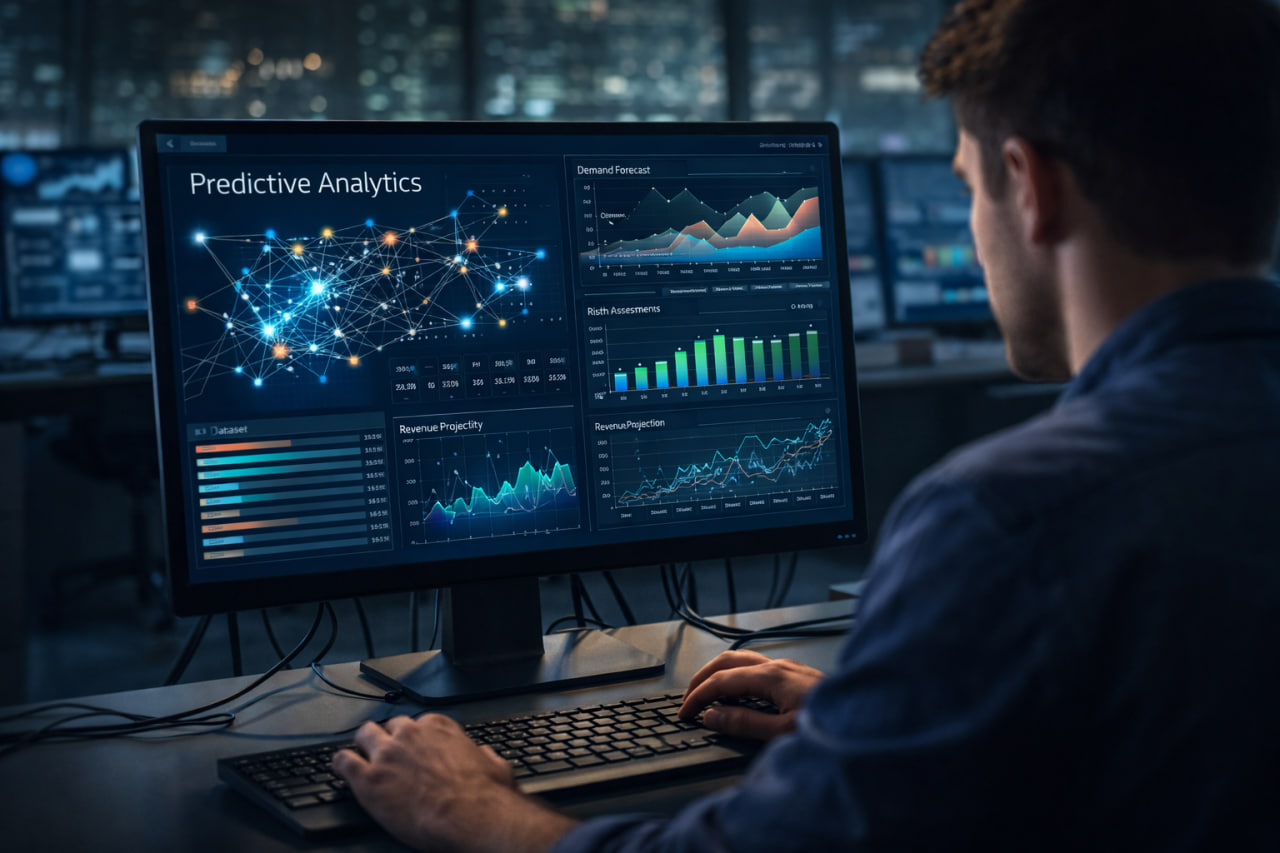
How AI Helps in Data Analysis and Forecasting

Artificial intelligence has become one of the most powerful tools for working with large volumes of data, transforming how companies, researchers, and governments make decisions. Traditional data analysis relies heavily on predefined rules and human interpretation, which limits speed and scalability. AI systems, by contrast, can process massive datasets, detect hidden patterns, and generate forecasts that would be impossible to produce manually. As data continues to grow exponentially, AI-driven analysis is becoming a core foundation of modern forecasting.


Creating Your First Chatbot: A Step-by-Step Guide
Automation AI in Media Production AI for Everyday Life

Creating Your First Chatbot: A Step-by-Step Guide

Chatbots have evolved from simple scripted responders into powerful digital assistants capable of handling customer support, education, automation, and personal productivity. Today, creating a chatbot no longer requires a large engineering team or deep expertise in artificial intelligence. With modern tools, APIs, and frameworks, even beginners can build a functional and useful chatbot by following a structured process. This guide explains how to create your first chatbot step by step, focusing on concepts, architecture, and practical decisions rather than specific products or medical or legal advice. The goal of a first chatbot is not perfection. It is to understand how conversational systems work, how users interact with them, and how to gradually improve functionality over time.

Could the Events of The Terminator Ever Come True?
Ethics Automation AI in Cybersecurity

Could the Events of The Terminator Ever Come True?

The Terminator franchise popularized a powerful and unsettling idea: an artificial intelligence becomes self-aware, concludes that humans are a threat, and launches a global war to ensure its own survival. While this narrative is fictional, it raises serious questions about the future of artificial intelligence, autonomous weapons, and human control over complex systems. The real issue is not whether a movie scenario will repeat itself exactly, but whether the underlying risks it dramatizes could manifest in more realistic forms. To answer that, we must separate cinematic myth from technical reality.

How to Automate Routine Tasks with ChatGPT and Similar AI Tools
Automation AI for Content Creators AI for Everyday Life

How to Automate Routine Tasks with ChatGPT and Similar AI Tools

Routine work consumes a surprising amount of human time and attention. Writing repetitive emails, summarizing documents, preparing reports, searching for information, formatting data, and answering similar questions day after day all drain cognitive energy without adding proportional value. Tools like ChatGPT and its analogs are changing this reality by acting as flexible, language-driven automation layers. They do not replace traditional software automation; instead, they complement it by handling tasks that were previously difficult to formalize with rules alone.

AI on Your Device: What Is TinyML and Why It Matters
Customer Experience Automation AI for Everyday Life

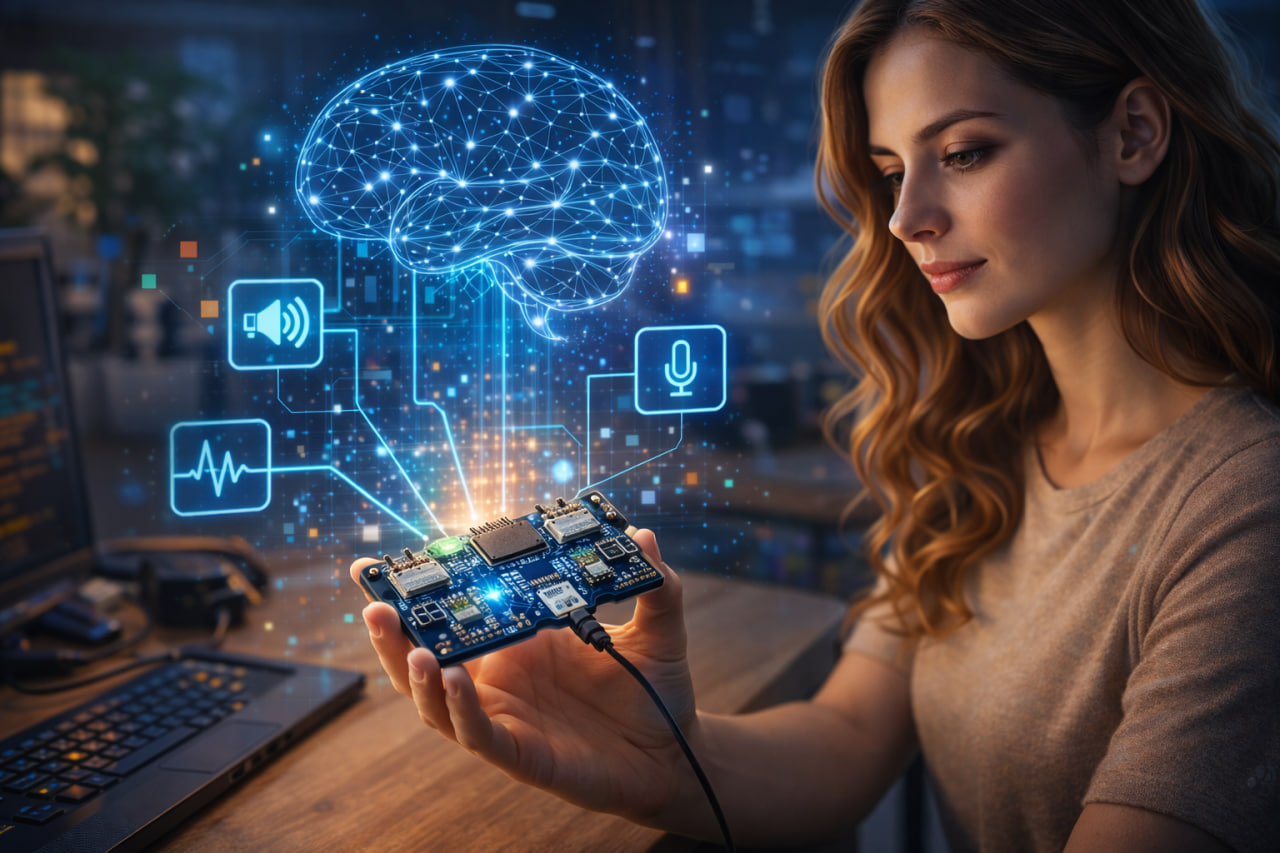
AI on Your Device: What Is TinyML and Why It Matters

Artificial intelligence is often associated with cloud computing, data centers, and powerful servers, but a quiet revolution is happening much closer to the user. TinyML brings AI directly onto small, low-power devices such as sensors, wearables, appliances, and embedded controllers. Instead of sending data to the cloud for processing, TinyML enables machines to analyze information locally, in real time, using minimal energy and hardware resources. This shift has profound implications for privacy, efficiency, scalability, and the future of intelligent products.

Computer Vision: How AI Understands and Analyzes Images
Education and training Skills and development Smart Technologies

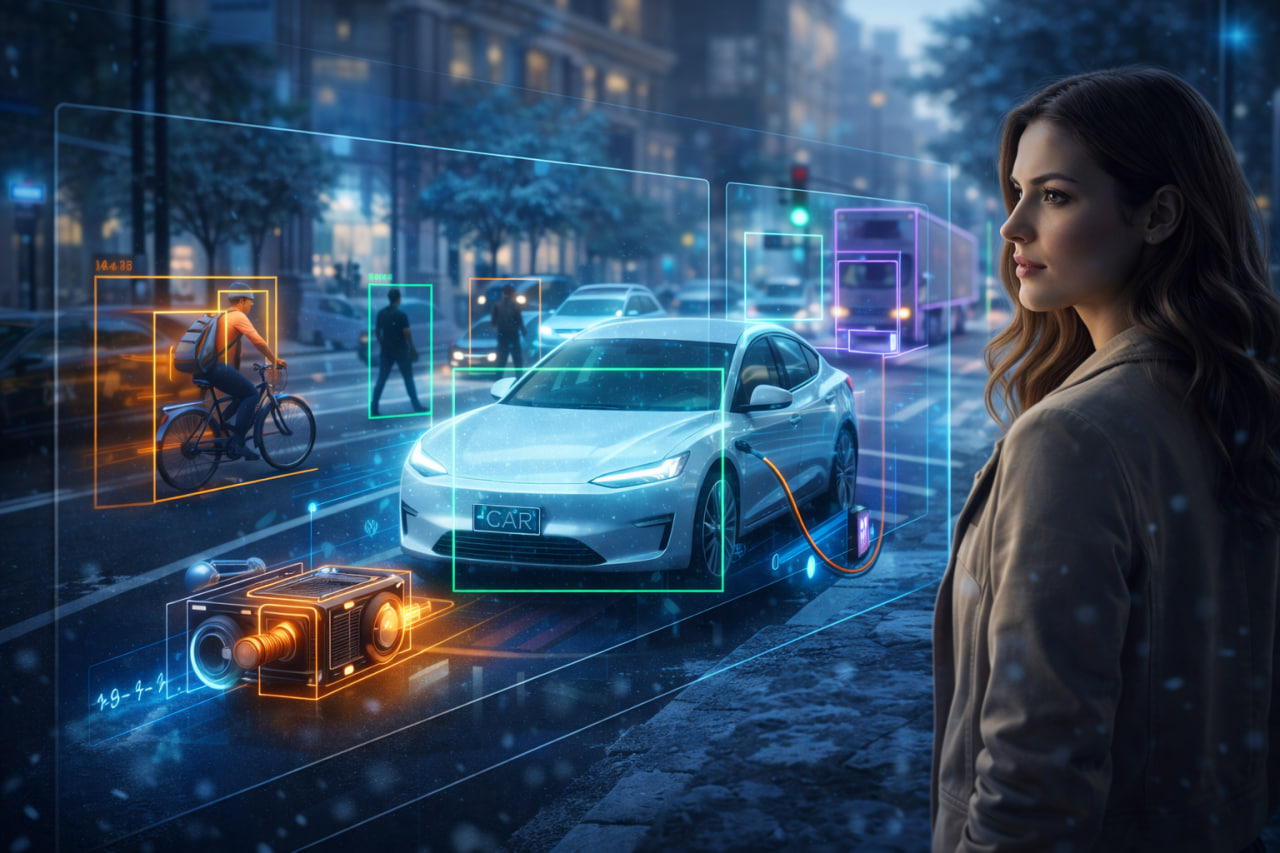
Computer Vision: How AI Understands and Analyzes Images

Computer vision is one of the most powerful and fast-evolving branches of artificial intelligence, enabling machines to extract meaning from images and video. At its core, computer vision allows AI systems to transform raw pixels into structured information that can be interpreted, classified, and acted upon. This capability underpins technologies such as facial recognition, medical imaging, autonomous driving, quality control in manufacturing, and visual search. While humans perceive images almost instantly, AI must learn to see through layers of mathematical abstraction, data representation, and probabilistic reasoning.

Generative Models: How AI Creates Text, Images, and Music
Education and training Smart Technologies Automation

Generative Models: How AI Creates Text, Images, and Music

Generative models represent one of the most transformative developments in artificial intelligence, shifting AI from systems that only analyze or classify data to systems that can create entirely new content. Text written by AI, images generated from prompts, and music composed by algorithms are no longer experimental curiosities—they are practical tools used in media, design, software, science, and entertainment. At a technical level, generative AI does not “imagine” in a human sense; instead, it learns the statistical structure of existing data and produces new outputs that follow those learned patterns. Understanding how generative models work requires examining how they learn representations, model probability, and transform randomness into coherent results.

Neural Networks Explained: How the Digital Brain Works
Smart Technologies Automation AI for Everyday Life

Neural Networks Explained: How the Digital Brain Works

Neural networks are one of the most influential technologies behind modern artificial intelligence, often described as a digital brain because of how they process information. While this comparison is metaphorical rather than literal, it helps explain why neural networks are so effective at recognizing patterns, learning from experience, and making predictions. From image recognition and speech processing to recommendation systems and autonomous vehicles, neural networks form the backbone of many AI applications. Understanding how they work demystifies AI and reveals why data, computation, and structure matter so much.

Can We Create Skynet? A Realistic Look at Artificial Intelligence Fears
Ethics Automation AI in Cybersecurity

Can We Create Skynet? A Realistic Look at Artificial Intelligence Fears

The idea of Skynet has become one of the most powerful symbols of technological anxiety, representing a future where artificial intelligence surpasses human control and turns against its creators. Popular culture often presents this scenario as an inevitable consequence of advanced AI development. However, the real-world trajectory of artificial intelligence is far more complex, regulated, and limited than cinematic narratives suggest. To understand whether creating a Skynet-like system is possible, we must examine how modern AI actually works, what boundaries exist, and how human oversight shapes technological progress.

A Quietly Smart Home: Practical AI from Meals to Maintenance
Applications Smart Technologies Sustainability

A Quietly Smart Home: Practical AI from Meals to Maintenance

Smart homes promised magic, but many of us ended up with isolated gadgets and too many apps. The difference between novelty and real leverage is a simple system: a few reliable workflows where AI collaborates with your appliances, calendars, and preferences to remove everyday friction. This playbook shows how to make AI genuinely useful at home—from food and family logistics to energy, safety, and seasonal maintenance—without turning your living room into a server rack.