AI for Everyday Life

How to Automate Routine Tasks with ChatGPT and Similar AI Tools
Automation AI for Content Creators AI for Everyday Life

How to Automate Routine Tasks with ChatGPT and Similar AI Tools

Routine work consumes a surprising amount of human time and attention. Writing repetitive emails, summarizing documents, preparing reports, searching for information, formatting data, and answering similar questions day after day all drain cognitive energy without adding proportional value. Tools like ChatGPT and its analogs are changing this reality by acting as flexible, language-driven automation layers. They do not replace traditional software automation; instead, they complement it by handling tasks that were previously difficult to formalize with rules alone.

AI on Your Device: What Is TinyML and Why It Matters
Customer Experience Automation AI for Everyday Life

AI on Your Device: What Is TinyML and Why It Matters

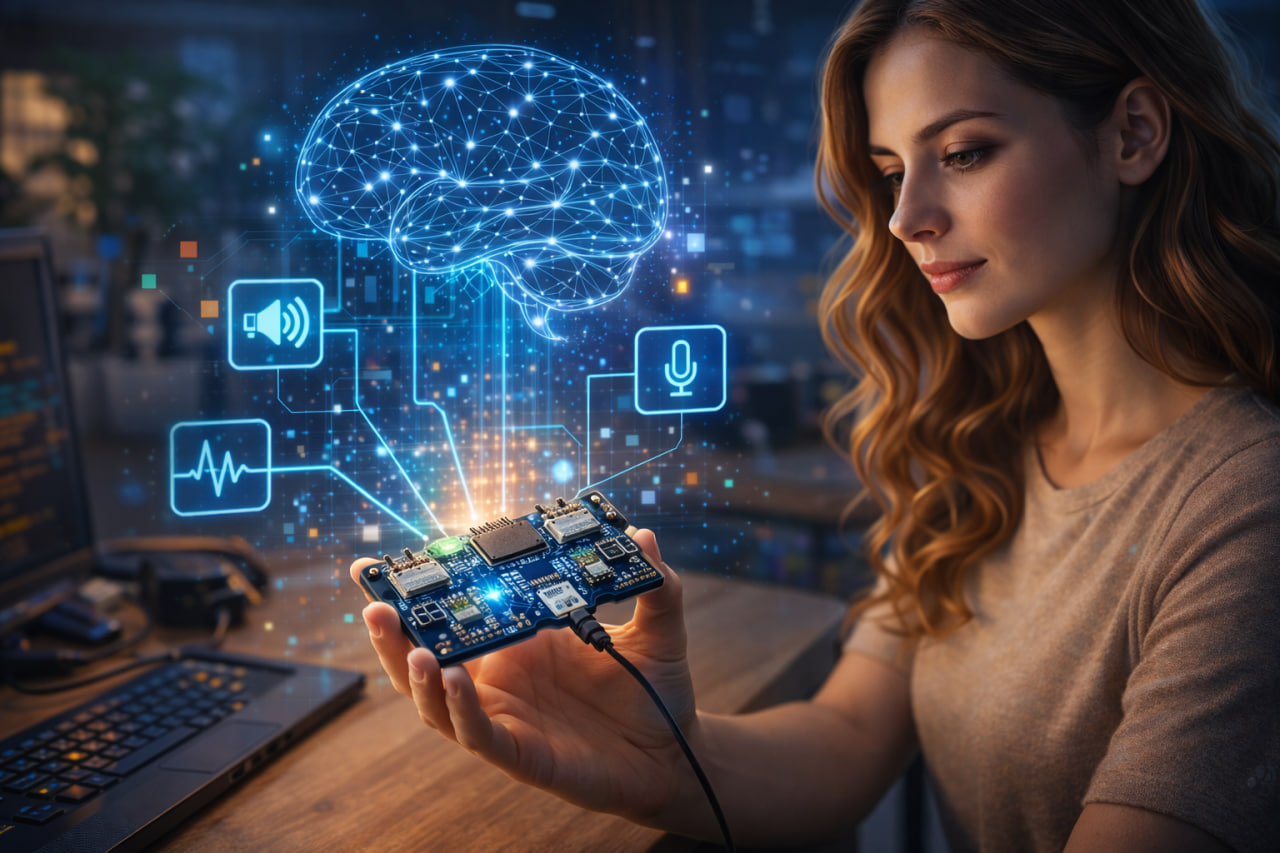
Artificial intelligence is often associated with cloud computing, data centers, and powerful servers, but a quiet revolution is happening much closer to the user. TinyML brings AI directly onto small, low-power devices such as sensors, wearables, appliances, and embedded controllers. Instead of sending data to the cloud for processing, TinyML enables machines to analyze information locally, in real time, using minimal energy and hardware resources. This shift has profound implications for privacy, efficiency, scalability, and the future of intelligent products.

Best Free AI and Machine Learning Courses for Beginners
Education and training Skills and development AI for Everyday Life

Best Free AI and Machine Learning Courses for Beginners

Artificial intelligence and machine learning have moved from niche academic fields into core technologies shaping business, science, and everyday life. For beginners, the biggest challenge is not motivation but knowing where to start without wasting time or money. Fortunately, many world-class universities and technology companies offer free, high-quality courses that teach AI and ML fundamentals in a structured, beginner-friendly way. Choosing the right learning path early helps build strong foundations and avoids confusion caused by fragmented or overly advanced materials.

What Is Python and What Is It Used For?
Smart Technologies AI for Content Creators AI for Everyday Life

What Is Python and What Is It Used For?

Python is one of the most popular programming languages in the world, yet it is often misunderstood as either “too simple” or “only for beginners.” In reality, Python is a powerful, versatile, and mature language used in everything from web applications and automation to artificial intelligence and scientific research. Its strength lies not in complexity, but in clarity: Python is designed to be readable, expressive, and efficient for humans, not just machines. Understanding what Python is “eaten with” means understanding how it fits into real-world technology stacks and why it has become a foundational tool across industries.

How AI Understands Natural Language: NLP Explained
Education and training Everyday Life Smart Technologies

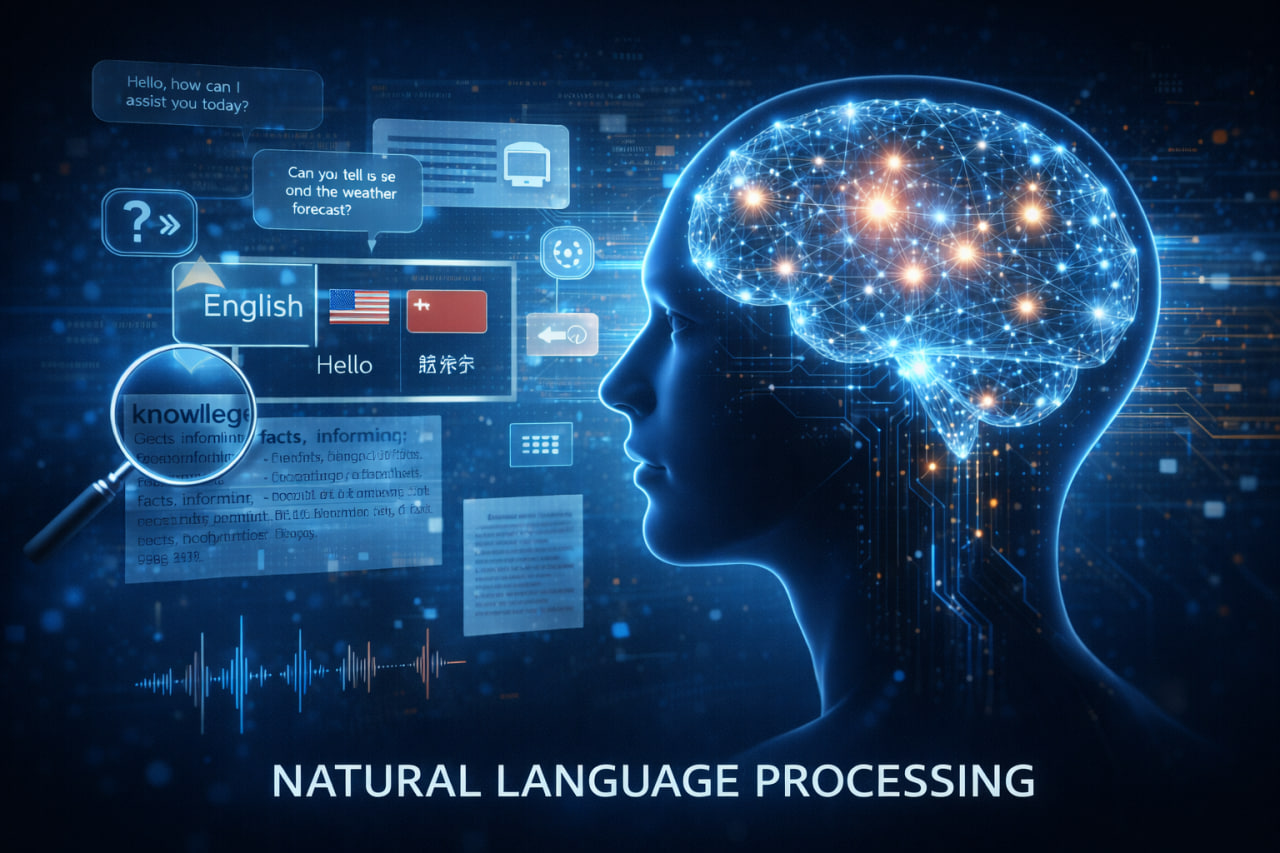
How AI Understands Natural Language: NLP Explained

Natural language is messy, ambiguous, and deeply dependent on context, which is exactly why teaching machines to work with human language is one of the hardest problems in artificial intelligence. Natural Language Processing (NLP) is the field that enables computers to analyze, interpret, and generate human language in ways that feel useful in real life—whether that means translating text, answering questions, summarizing documents, or detecting sentiment. When people say “AI understands language,” they usually mean it can map words and sentences to patterns it has learned from data, then produce outputs that match those patterns. This is not the same as human understanding, because today’s AI does not experience meaning the way people do, but it can still perform remarkably well on many language tasks. To see why, you need to understand how modern NLP represents words, handles context, and learns from large-scale text.

Supervised vs Unsupervised Learning: Key Concepts Explained
AI in Media Production AI for Content Creators AI in Cybersecurity

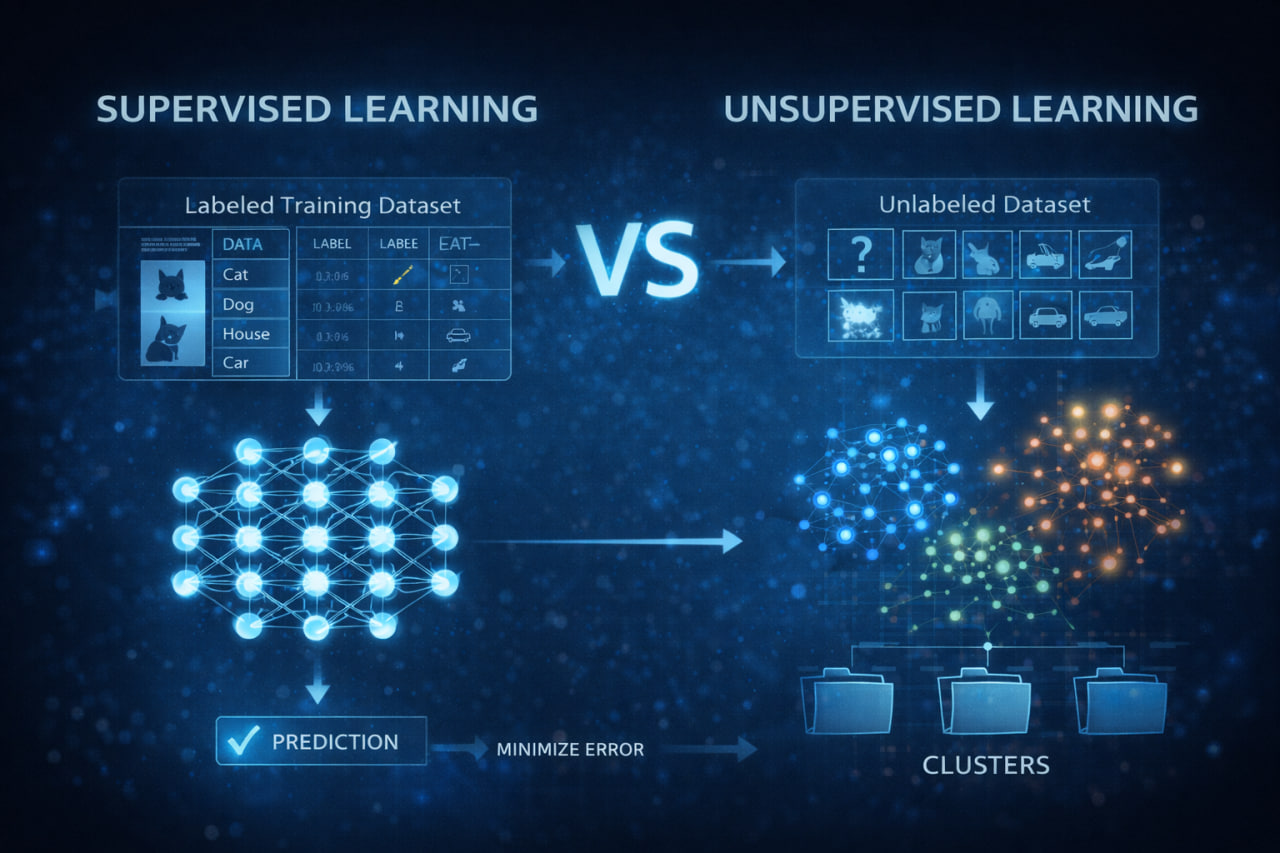
Supervised vs Unsupervised Learning: Key Concepts Explained

Machine learning systems learn from data, but how they learn depends on the structure of that data and the goals defined by humans. Two foundational approaches dominate this landscape: supervised learning and unsupervised learning. While both aim to uncover patterns and generate useful insights, they differ fundamentally in data requirements, learning mechanisms, and real-world applications. Understanding these approaches is essential for grasping how modern AI systems are built, evaluated, and deployed across industries.

Neural Networks Explained: How the Digital Brain Works
Smart Technologies Automation AI for Everyday Life

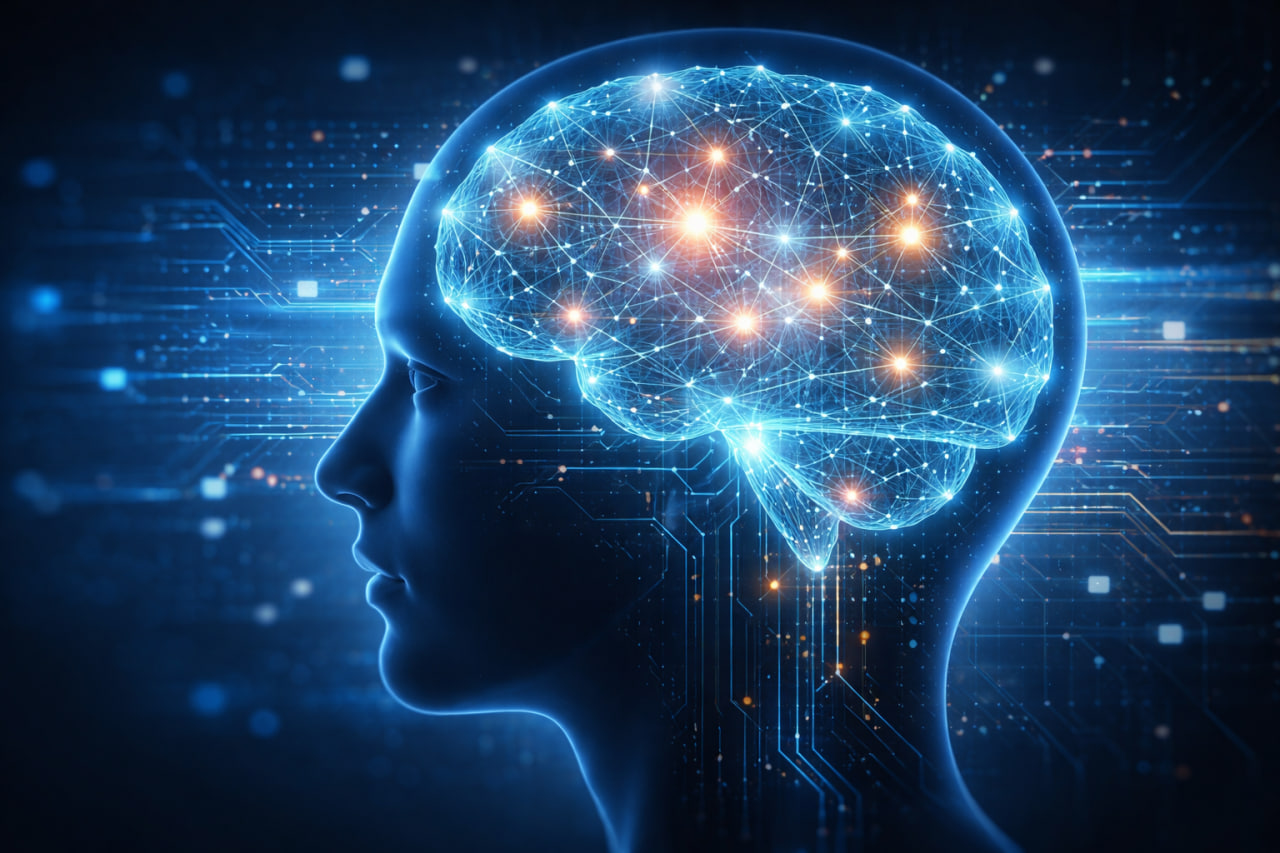
Neural Networks Explained: How the Digital Brain Works

Neural networks are one of the most influential technologies behind modern artificial intelligence, often described as a digital brain because of how they process information. While this comparison is metaphorical rather than literal, it helps explain why neural networks are so effective at recognizing patterns, learning from experience, and making predictions. From image recognition and speech processing to recommendation systems and autonomous vehicles, neural networks form the backbone of many AI applications. Understanding how they work demystifies AI and reveals why data, computation, and structure matter so much.

How to See What ChatGPT Remembers in a Project — and How to Change It
Applications AI for Content Creators AI for Everyday Life

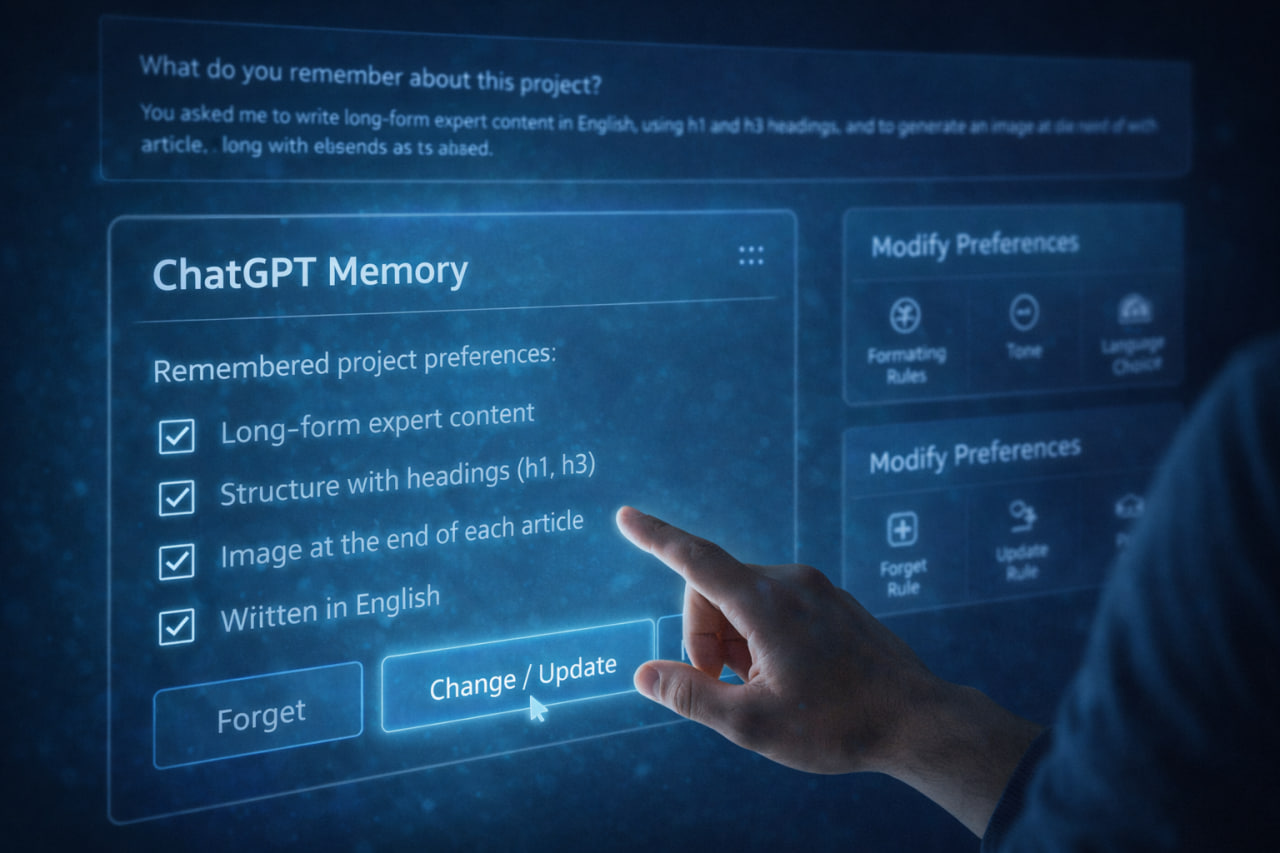
How to See What ChatGPT Remembers in a Project — and How to Change It

As ChatGPT becomes more personalized and project-oriented, many users naturally ask an important question: what exactly does ChatGPT remember, where is that information stored, and how can it be changed or removed? Understanding how memory works inside a project helps you control tone, structure, preferences, and long-term behavior of the assistant. This is especially important for professional projects, where consistency and clarity matter as much as creativity. Below is a clear, beginner-friendly explanation of how project memory works and how you can manage it.

What Is AI for Beginners: A Simple Explanation
Everyday Life Smart Technologies AI for Everyday Life

What Is AI for Beginners: A Simple Explanation

Artificial Intelligence, often called AI, may sound complex and intimidating, but at its core it is simply a set of technologies designed to help machines perform tasks that normally require human intelligence. AI systems are already part of everyday life, even if people do not always notice them. From smartphone assistants and navigation apps to online recommendations and spam filters, AI works quietly in the background to analyze information and make decisions. Understanding AI at a basic level helps reduce fear and builds awareness of how modern technology actually functions.

A Quietly Smart Home: Practical AI from Meals to Maintenance
Applications Smart Technologies Sustainability

A Quietly Smart Home: Practical AI from Meals to Maintenance

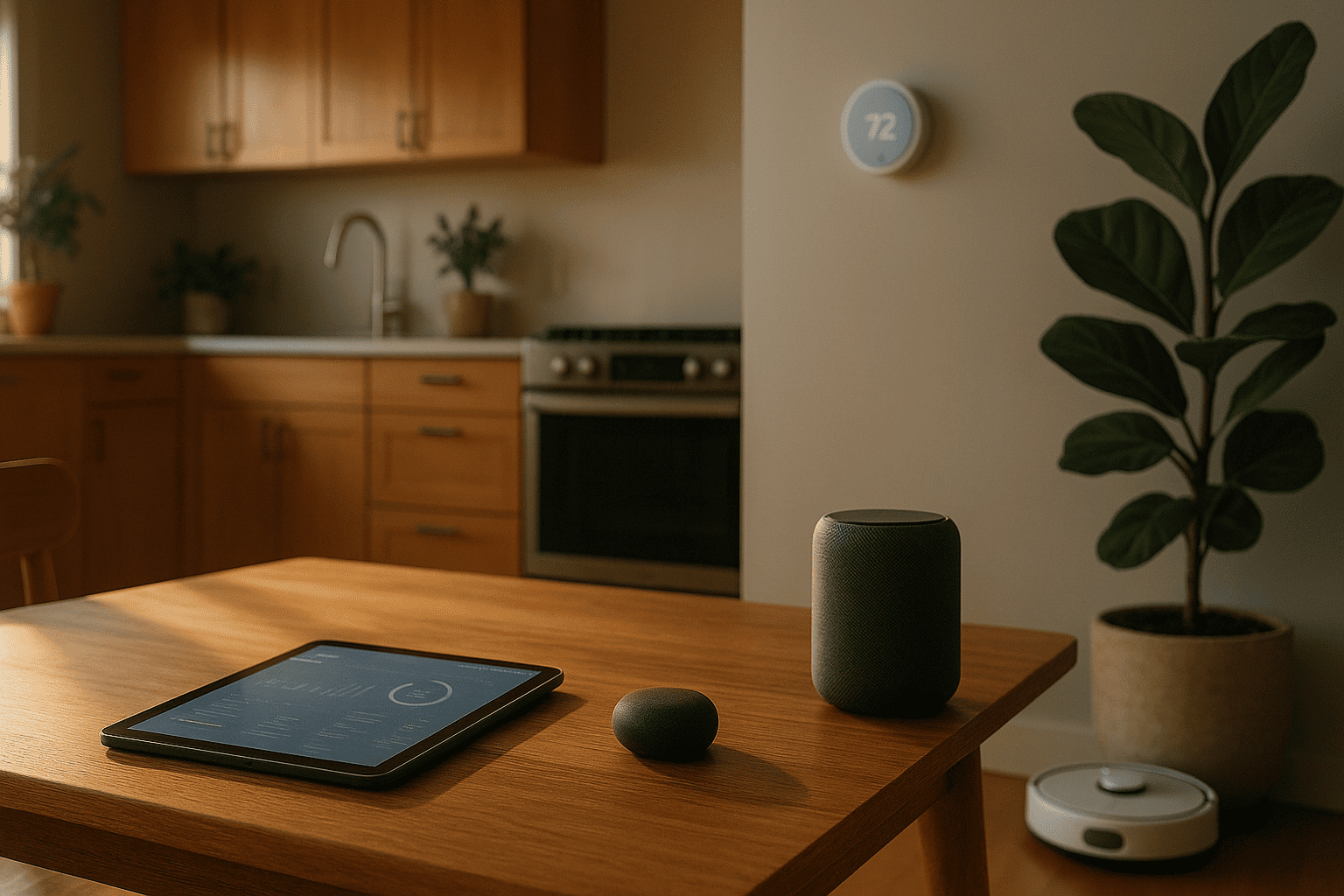
Smart homes promised magic, but many of us ended up with isolated gadgets and too many apps. The difference between novelty and real leverage is a simple system: a few reliable workflows where AI collaborates with your appliances, calendars, and preferences to remove everyday friction. This playbook shows how to make AI genuinely useful at home—from food and family logistics to energy, safety, and seasonal maintenance—without turning your living room into a server rack.