AI for Everyday Life

ChatGPT: What Changed Over the Last Year?
Smart Technologies Creative Arts Customer Experience

ChatGPT: What Changed Over the Last Year?

Over the last year, ChatGPT changed from a conversational AI tool into a broader AI productivity platform. The biggest updates were not limited to one model upgrade. ChatGPT gained stronger reasoning, better personalization, deeper coding abilities, more connected apps, browser integration, improved memory, and more specialized experiences for work, research, and everyday tasks. For users, the practical difference is clear: ChatGPT is no longer only a place to ask questions. It is increasingly becoming a workspace where people can write, research, code, analyze files, summarize information, browse the web, use connected tools, and complete multi-step tasks.

Latest Developments in the World of AI
Applications Smart Technologies AI in Media Production

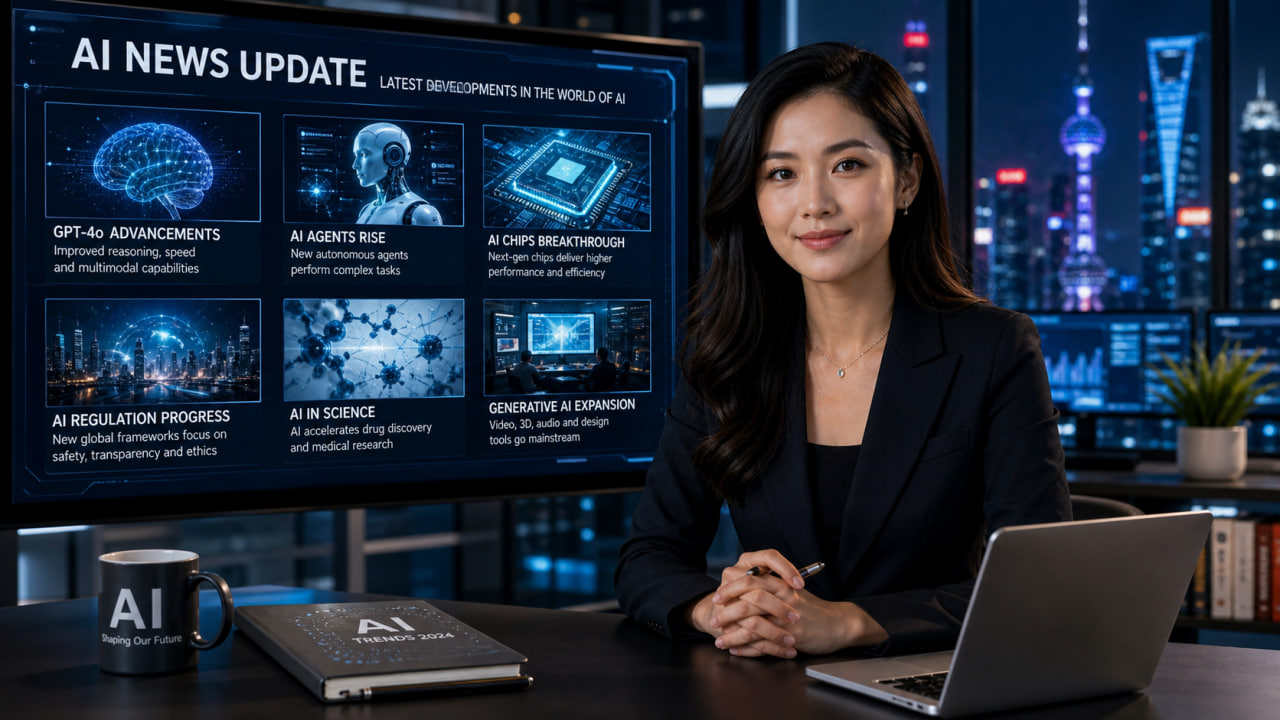
Latest Developments in the World of AI

Artificial intelligence continues to evolve at an extraordinary pace, reshaping industries, economies, and everyday life. The past year has been especially dynamic, with breakthroughs in large language models, multimodal systems, enterprise adoption, and regulation. Rather than a single trend, the AI landscape is now defined by convergence—models, data, and real-world applications coming together at scale. Below is a clear overview of the most important recent developments in AI.

Artificial Intelligence: What Awaits Us in the Near Future
Skills and development Smart Technologies Creative Arts

Artificial Intelligence: What Awaits Us in the Near Future

Artificial intelligence is no longer a distant concept confined to research labs—it is rapidly becoming a core part of everyday life. From recommendation systems and voice assistants to autonomous vehicles and medical diagnostics, AI is already transforming how we live and work. The key question now is not whether AI will shape the future, but how quickly and in what ways it will do so. In the coming years, AI is expected to move from a powerful tool to an invisible infrastructure layer embedded in nearly every industry. Understanding these changes is essential for individuals, businesses, and governments alike.

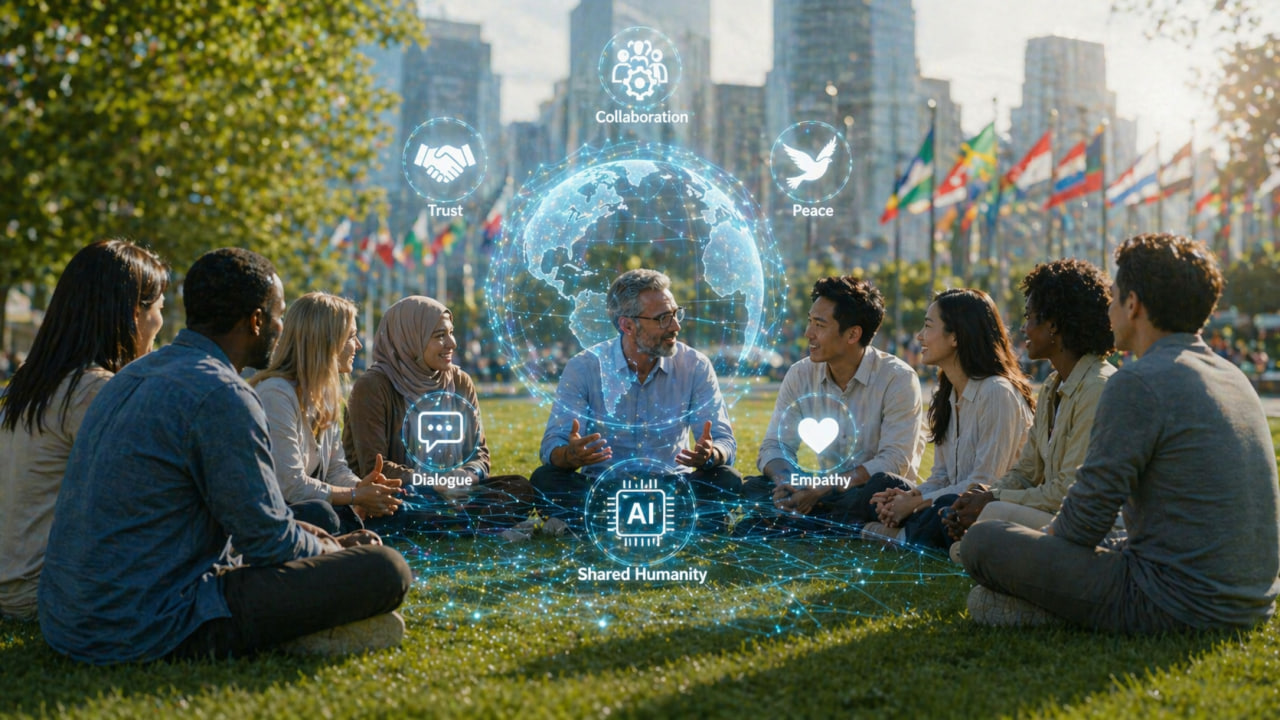
How AI Can Help Build Global Peace
Applications AI & Politics AI for Everyday Life

How AI Can Help Build Global Peace

Artificial intelligence is often associated with automation, business efficiency, and technological disruption. However, one of its most profound and less discussed potentials lies in its ability to contribute to global peace. While AI itself is a tool—neither inherently good nor bad—its applications can influence diplomacy, conflict prevention, economic stability, and international cooperation. In a world facing geopolitical tensions, inequality, and resource competition, AI has the potential to become a stabilizing force, if used responsibly.

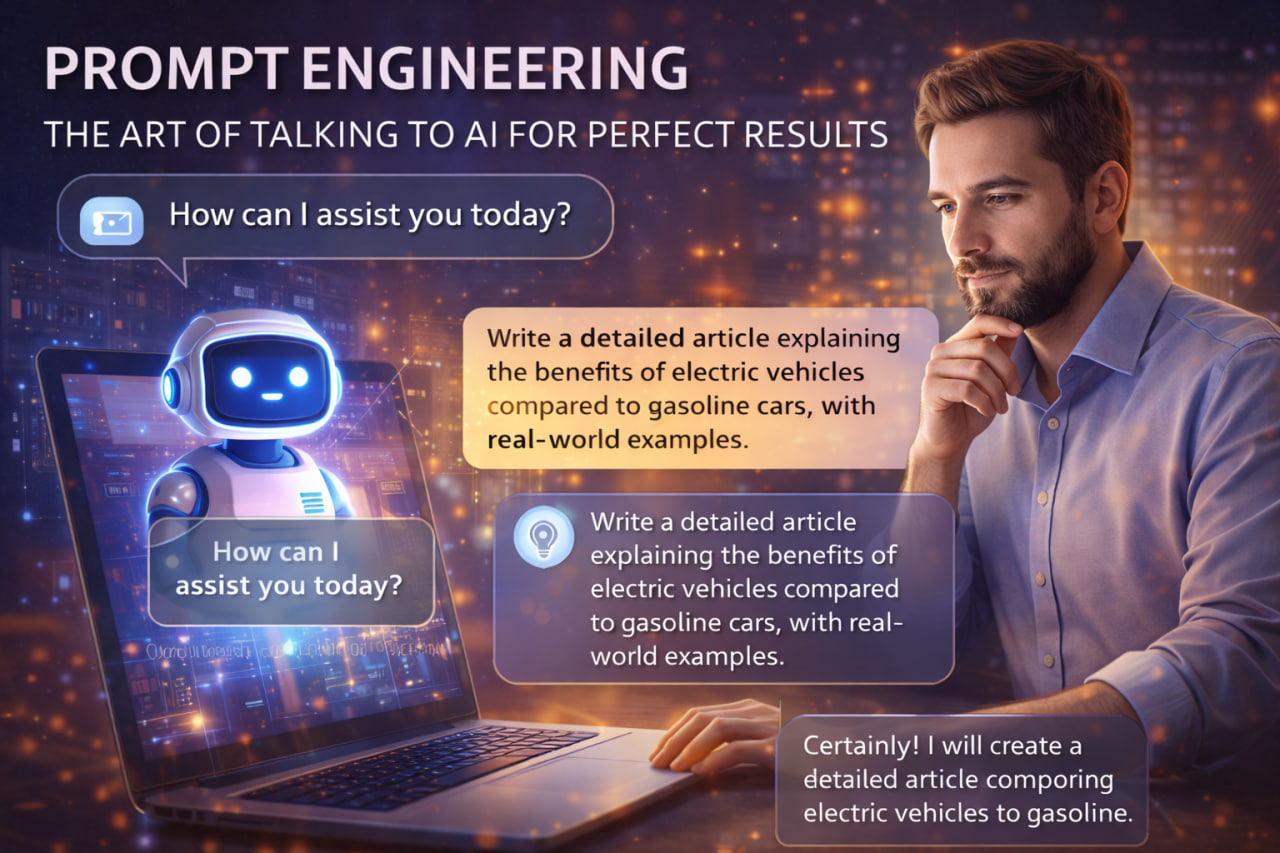
Prompt Engineering: The Art of Talking to AI for Perfect Results
Everyday Life Automation AI in Media Production

Prompt Engineering: The Art of Talking to AI for Perfect Results

As artificial intelligence becomes more powerful, a new skill is emerging as essential: prompt engineering. It is the ability to communicate effectively with AI systems—especially large language models—to get accurate, useful, and high-quality results. While AI models are trained on massive datasets, the quality of the output often depends directly on how the request is formulated. In simple terms: better prompts lead to better answers.

Fine-Tuning: How to Adapt Pretrained Models to Your Tasks
Applications AI in Media Production AI for Content Creators

Fine-Tuning: How to Adapt Pretrained Models to Your Tasks

Modern artificial intelligence systems are rarely built from scratch. Instead, most high-performing models are first trained on massive datasets and then adapted to specific tasks using a process known as fine-tuning. This approach has become a cornerstone of modern machine learning, especially in fields such as natural language processing (NLP), computer vision, and speech recognition. Fine-tuning allows developers to take powerful pretrained models and specialize them for real-world applications with significantly less data, time, and computational cost.

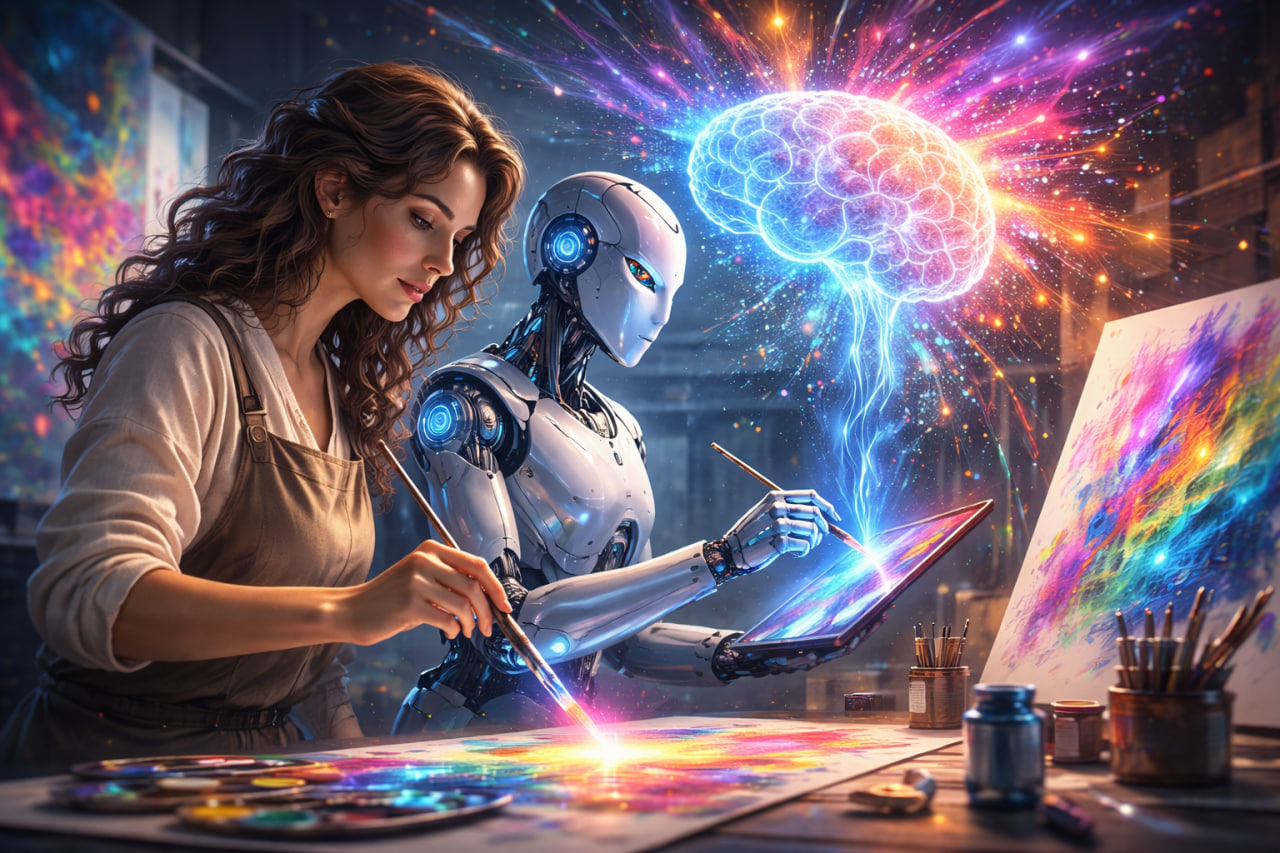
Can AI Be Creative? A Philosophical Perspective
Applications Creative Arts AI for Content Creators

Can AI Be Creative? A Philosophical Perspective

The question of whether artificial intelligence can truly be creative lies at the intersection of technology, philosophy, and human identity. As AI systems begin to generate art, music, writing, and even scientific ideas, they challenge long-standing assumptions about creativity being an exclusively human trait. At first glance, the outputs of AI can appear original and expressive, raising a fundamental question: is creativity defined by the process, the result, or the intention behind it? Exploring this issue requires a deeper understanding of what creativity actually means and how AI operates in comparison to the human mind.

Smart Cities: How AI Manages Traffic, Energy Consumption, and Urban Safety
Applications Smart Technologies Automation

Smart Cities: How AI Manages Traffic, Energy Consumption, and Urban Safety

Urbanization is accelerating worldwide, placing increasing pressure on transportation systems, energy grids, and public safety infrastructure. Traditional city management models, which rely heavily on manual oversight and reactive decision-making, struggle to keep pace with growing population density and infrastructure complexity. In response, municipalities are integrating artificial intelligence (AI) into urban systems to create what is known as a smart city — an interconnected environment where data-driven technologies optimize daily operations. AI does not simply automate tasks; it analyzes massive real-time data streams to predict congestion, balance electricity demand, and enhance public safety. As cities evolve, AI is becoming a foundational technology that reshapes how urban environments function.

How AI Is Transforming Medicine: Diagnostics, Drug Development, and Personalized Care
Smart Technologies Emergency Management AI for Everyday Life

How AI Is Transforming Medicine: Diagnostics, Drug Development, and Personalized Care

Artificial intelligence is rapidly reshaping modern medicine, fundamentally changing how diseases are detected, treated, and managed. What once relied heavily on manual analysis and generalized treatment protocols is now increasingly supported by data-driven algorithms capable of learning from millions of medical cases. AI does not replace doctors, but it significantly enhances their ability to make accurate decisions, reduce risks, and deliver more personalized care. The integration of AI into healthcare marks one of the most profound technological shifts in medical history.

Creating Your First Chatbot: A Step-by-Step Guide
Automation AI in Media Production AI for Everyday Life

Creating Your First Chatbot: A Step-by-Step Guide

Chatbots have evolved from simple scripted responders into powerful digital assistants capable of handling customer support, education, automation, and personal productivity. Today, creating a chatbot no longer requires a large engineering team or deep expertise in artificial intelligence. With modern tools, APIs, and frameworks, even beginners can build a functional and useful chatbot by following a structured process. This guide explains how to create your first chatbot step by step, focusing on concepts, architecture, and practical decisions rather than specific products or medical or legal advice. The goal of a first chatbot is not perfection. It is to understand how conversational systems work, how users interact with them, and how to gradually improve functionality over time.