Sustainability

Human Taste, AI Speed: Designing Interiors Without Losing Your Signature
Applications Smart Technologies Creative Arts

Human Taste, AI Speed: Designing Interiors Without Losing Your Signature

Artificial intelligence can accelerate interior design from weeks to days, but speed without taste produces sterile rooms. The goal is not to let AI decide, but to direct it with a designer’s judgment so outputs reflect a coherent aesthetic, authentic materials, and the client’s lived reality. This playbook shows how to use AI as a precision power tool while protecting style, authorship, and design ethics.


A Quietly Smart Home: Practical AI from Meals to Maintenance
Applications Smart Technologies Sustainability

A Quietly Smart Home: Practical AI from Meals to Maintenance

Smart homes promised magic, but many of us ended up with isolated gadgets and too many apps. The difference between novelty and real leverage is a simple system: a few reliable workflows where AI collaborates with your appliances, calendars, and preferences to remove everyday friction. This playbook shows how to make AI genuinely useful at home—from food and family logistics to energy, safety, and seasonal maintenance—without turning your living room into a server rack.

Orbital Intelligence: How AI Guides Satellites, Rovers, and the Future of Space Operations
Applications Smart Technologies Ethics

Orbital Intelligence: How AI Guides Satellites, Rovers, and the Future of Space Operations

Artificial intelligence has quietly become mission-critical infrastructure for space. What began as ground-based analytics that tagged clouds or stitched images has evolved into onboard autonomy that decides what to observe, how to navigate, when to talk to Earth, and how to keep hardware alive millions of kilometers away. From swarms of Earth-observation satellites to exploratory rovers on hostile terrain, AI is reshaping how we plan, fly, and sustain missions under extreme constraints.

The Future Is Already Here: What AI Will Achieve in the Next Five Years—and How to Get Ready
Education and training Skills and development Smart Technologies

The Future Is Already Here: What AI Will Achieve in the Next Five Years—and How to Get Ready

Artificial Intelligence has transitioned from research labs to everyday life at astonishing speed. Voice assistants, AI-generated art, and automated customer service are only the earliest ripples of a much larger wave. Over the next five years, breakthroughs in model architecture, edge computing, and multi-agent coordination will push AI from helpful tool to ubiquitous co-worker—quietly enhancing nearly every decision we make. Understanding these fast-approaching capabilities is the first step toward thriving in an AI-saturated world.

AI and Climate Change: Leveraging Technology to Monitor and Address Environmental Challenges
Applications Smart Technologies Sustainability

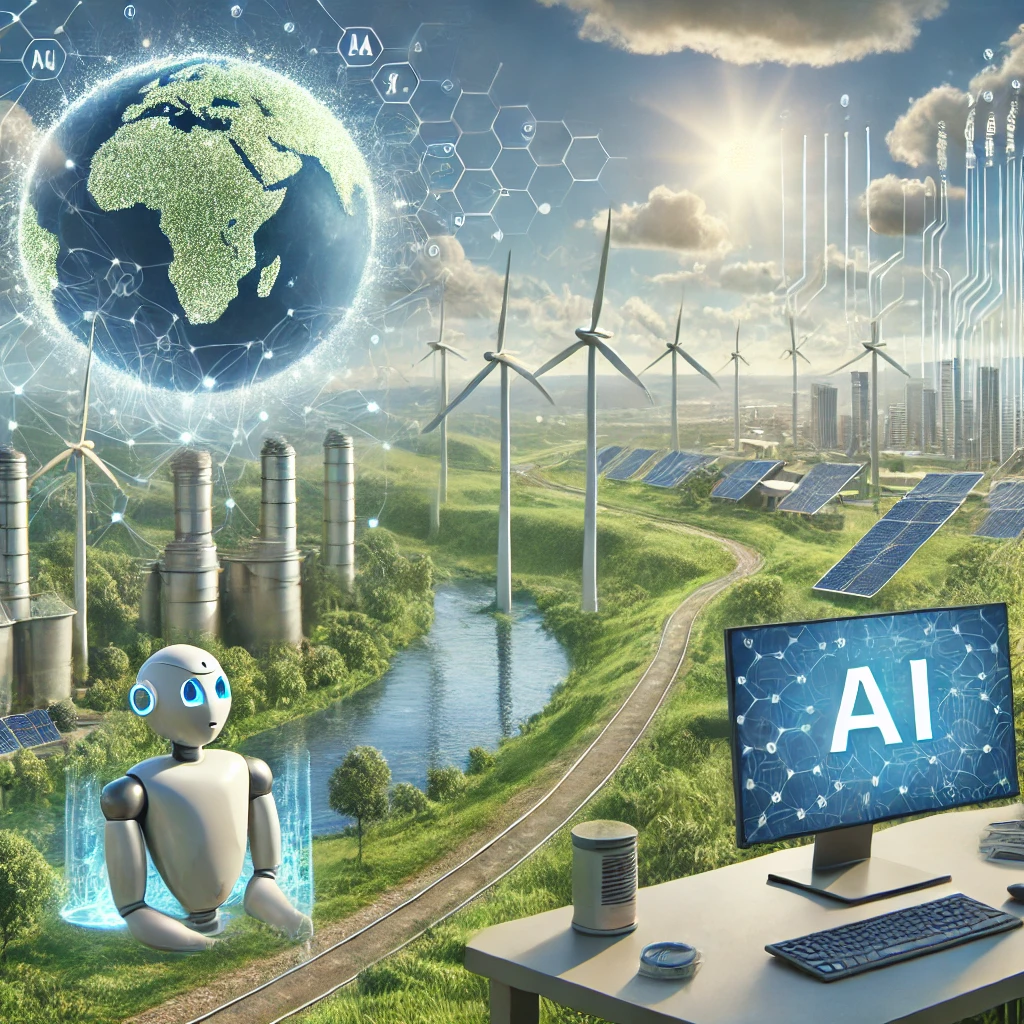
AI and Climate Change: Leveraging Technology to Monitor and Address Environmental Challenges

Artificial intelligence (AI) is emerging as a powerful tool in the global fight against climate change. From monitoring environmental conditions to optimizing resource use, AI can enhance our ability to understand, mitigate, and adapt to the impacts of climate change. As the planet faces unprecedented ecological challenges, the integration of AI into climate science and environmental management offers new opportunities to track climate trends, predict future scenarios, and implement solutions that reduce the human footprint on the planet. This article explores how AI is being used to address climate change and the role it can play in creating a more sustainable future.