Predictive Analytics

Could the Events of The Terminator Ever Come True?
Ethics Automation AI in Cybersecurity

Could the Events of The Terminator Ever Come True?

The Terminator franchise popularized a powerful and unsettling idea: an artificial intelligence becomes self-aware, concludes that humans are a threat, and launches a global war to ensure its own survival. While this narrative is fictional, it raises serious questions about the future of artificial intelligence, autonomous weapons, and human control over complex systems. The real issue is not whether a movie scenario will repeat itself exactly, but whether the underlying risks it dramatizes could manifest in more realistic forms. To answer that, we must separate cinematic myth from technical reality.

Fabric of the Future: How GPT Is Reweaving Fashion—from Textiles to Trend Forecasting
Applications Smart Technologies Creative Arts

Fabric of the Future: How GPT Is Reweaving Fashion—from Textiles to Trend Forecasting

Fashion has always been a conversation between culture, craft, and commerce. GPT-class models add a new voice to that dialogue: a fast, collaborative partner that can sketch ideas in words, patterns, palettes, and plans—then translate them into production briefs. From generative textile concepts and style forecasting to supply-chain orchestration and sustainability audits, here’s how AI is already reshaping the runway and the factory floor—and how to use it without losing the human touch.

Guardians of the Wild: How GPT Can Supercharge Conservation—Without Replacing Rangers
Education and training Applications Smart Technologies

Guardians of the Wild: How GPT Can Supercharge Conservation—Without Replacing Rangers

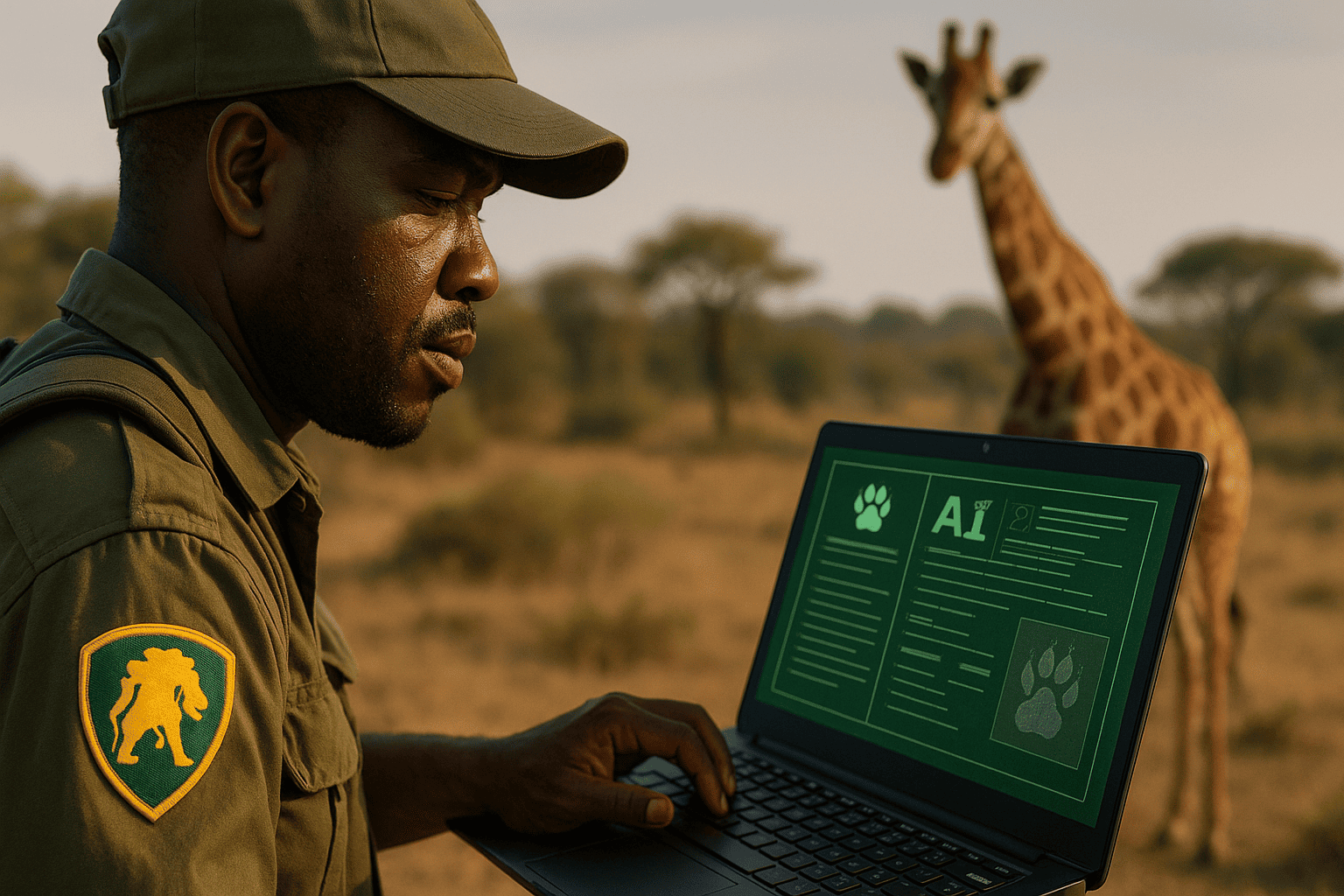
Artificial intelligence is edging into rainforests, savannas, and coastal waters—not as a sci-fi savior, but as a force multiplier for the people already protecting life on Earth. This article explores how GPT-class models and allied AI tools can monitor wildlife, deter poaching, and safeguard biodiversity, while staying grounded in ethics, local knowledge, and ecological reality. The promise is huge; the pitfalls are real. Used well, AI helps rangers act earlier, scientists learn faster, and communities lead the work. 🐾

The Intersection of AI and Quantum Computing: What’s Next for GPT?
Education and training Applications Smart Technologies

The Intersection of AI and Quantum Computing: What’s Next for GPT?

Quantum computing and large language models (LLMs) like GPT are on converging trajectories. One promises exponential state spaces and new algorithmic primitives; the other devours compute to learn structure from oceans of data. This article maps where quantum could realistically accelerate GPT training and inference, where today’s limits bite, and how hybrid “quantum-classical” workflows might reshape the next decade of intelligent systems.

From Patterns to Principles: Can GPT Help Us Discover New Laws of Nature?
Education and training Applications Smart Technologies

From Patterns to Principles: Can GPT Help Us Discover New Laws of Nature?

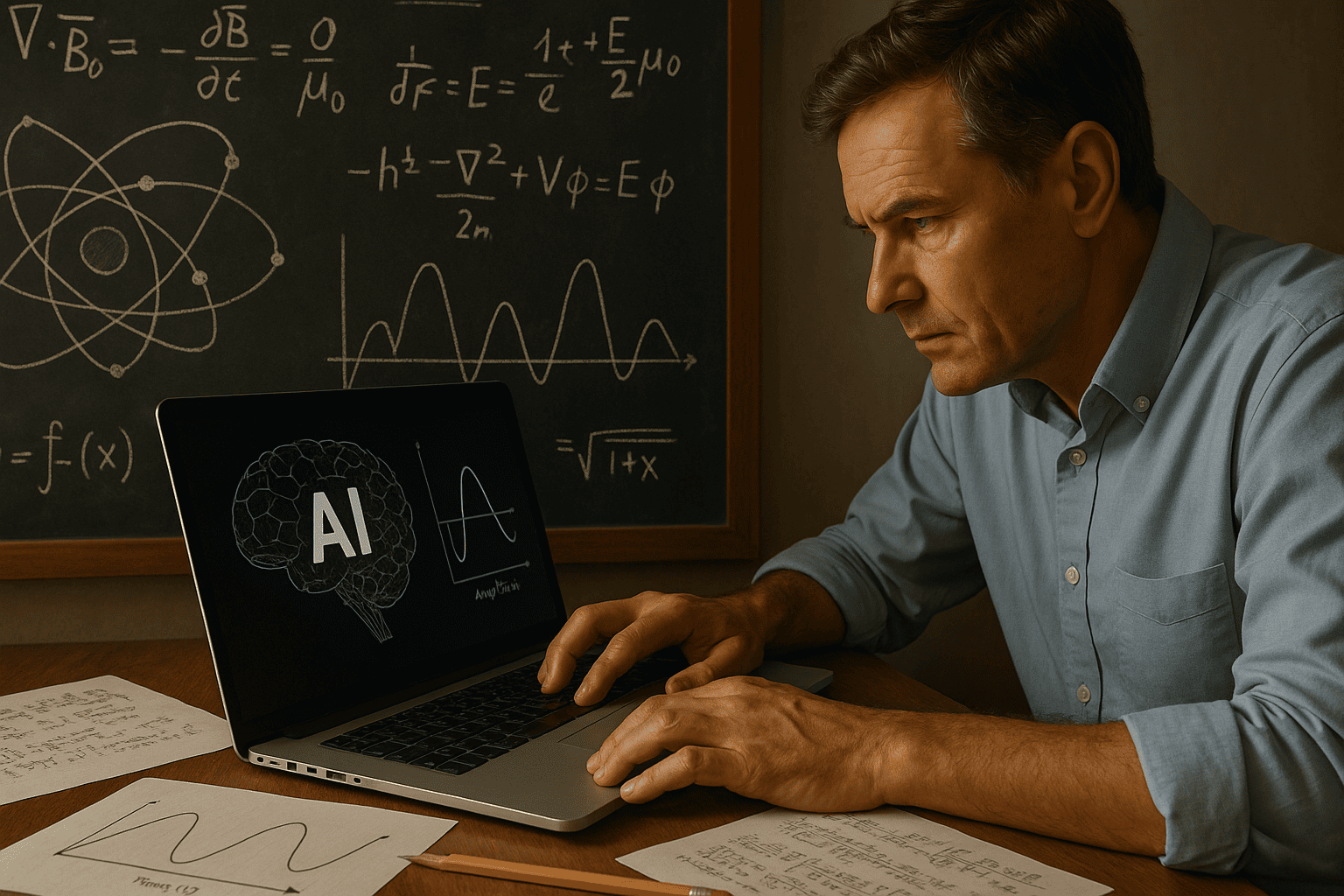
Science advances when patterns become principles—when messy observations crystallize into equations, models, and mechanisms. GPT-class systems are astonishing at finding and articulating patterns across oceans of text and data. But can a language model really help uncover new laws of nature? This article explores where GPT meaningfully accelerates discovery, where it hits hard limits, and how human curiosity and judgment remain indispensable—even in an age of smart machines.

Virtual Doctor or Second Opinion? When (and When Not) to Trust GPT with Your Health
Education and training Applications Smart Technologies

Virtual Doctor or Second Opinion? When (and When Not) to Trust GPT with Your Health

Large language models like GPT can read guidelines, summarize clinical papers, and turn symptom lists into plausible differentials in seconds. That can feel like magic—especially at 2 a.m., when you’re worried and searching for answers. But medicine isn’t just pattern matching; it’s responsibility, uncertainty, and consequences. This article lays out what GPT can do well in healthcare, where it fails, and how to use it safely as a supporting tool—never a substitute for a qualified clinician.

Beyond MFA: AI-Powered Fraud, Phishing & the New Cyber Defense Playbook
Education and training Applications Smart Technologies

Beyond MFA: AI-Powered Fraud, Phishing & the New Cyber Defense Playbook

Modern attackers don’t brute-force your door; they persuade it to open. Generative AI has turned social engineering into a high-throughput, high-precision operation: bespoke phishing at scale, deepfake voices that pass quick tests, and scripts that massage data until fraud looks legitimate. Multi-factor authentication still matters, but it’s no longer a finish line. This field guide explains how AI is breaking old defenses—and how to rebuild a security stack that holds up under machine-speed pressure.

Orbital Intelligence: How AI Guides Satellites, Rovers, and the Future of Space Operations
Applications Smart Technologies Ethics

Orbital Intelligence: How AI Guides Satellites, Rovers, and the Future of Space Operations

Artificial intelligence has quietly become mission-critical infrastructure for space. What began as ground-based analytics that tagged clouds or stitched images has evolved into onboard autonomy that decides what to observe, how to navigate, when to talk to Earth, and how to keep hardware alive millions of kilometers away. From swarms of Earth-observation satellites to exploratory rovers on hostile terrain, AI is reshaping how we plan, fly, and sustain missions under extreme constraints.

AI in Environmental Conservation: Predictive Modeling for Wildlife Protection
Applications Predictive Analytics

AI in Environmental Conservation: Predictive Modeling for Wildlife Protection

Artificial intelligence (AI) is rapidly transforming the field of environmental conservation, offering powerful tools for protecting wildlife and preserving ecosystems. From predicting animal migrations to combating poaching and monitoring biodiversity, AI-driven predictive modeling is enabling conservationists to make data-driven decisions that enhance wildlife protection. This article explores how AI is revolutionizing environmental conservation, the technologies behind predictive modeling, and the challenges and future prospects of using AI for wildlife protection.