When Should You Trust AI — and When Should You Not?
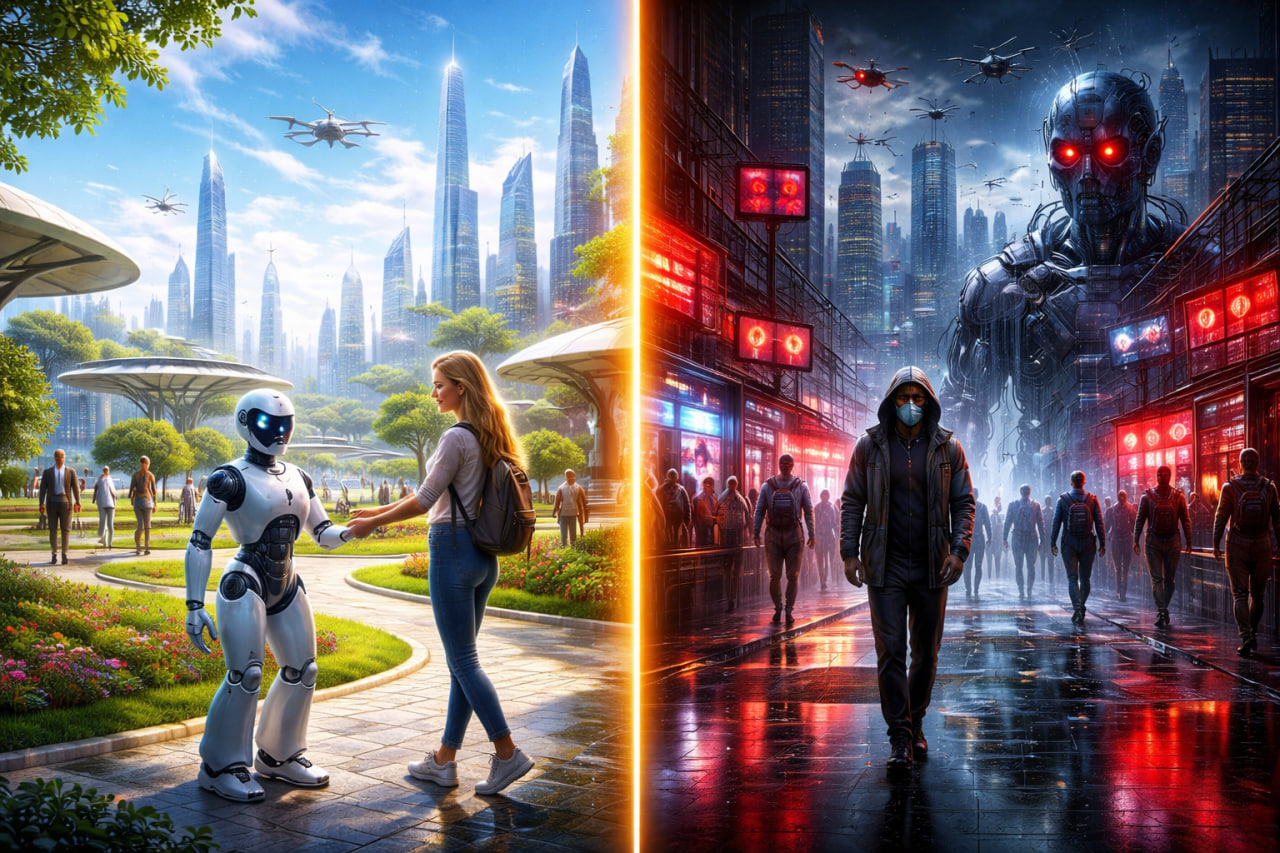
Artificial intelligence has rapidly become part of everyday life. Millions of people use AI-powered tools to write emails, generate images, analyze data, answer questions, assist with coding, translate languages, and even support business decisions. As AI capabilities continue to improve, a new challenge is emerging: understanding when these systems can be trusted and when human judgment remains essential. The reality is that artificial intelligence is neither infallible nor useless. It is a powerful tool with specific strengths and limitations. People who understand both sides are often able to gain the greatest benefits while avoiding costly mistakes. In the coming years, the ability to work effectively with AI may become as important as computer literacy is today. The smartest approach is not blindly trusting AI or completely rejecting it—it is knowing where its strengths and weaknesses lie.