AI in Media Production

AI and Privacy: Where Is the Line Between Personalization and Surveillance?
Applications AI in Media Production AI in Cybersecurity

AI and Privacy: Where Is the Line Between Personalization and Surveillance?

Artificial intelligence has dramatically improved the ability of digital systems to understand user behavior and deliver personalized experiences. From recommendation algorithms in streaming services to targeted advertising and smart assistants, AI analyzes large volumes of data to predict user preferences and optimize services. While this level of personalization can make technology more convenient and efficient, it also raises important concerns about privacy and surveillance. As AI systems collect and process increasing amounts of personal data, society faces a critical question: where is the boundary between helpful personalization and intrusive monitoring?


AI in Marketing: Personalization, Click Prediction, and Chatbots for Customer Support
Career Business Growth AI in Media Production

AI in Marketing: Personalization, Click Prediction, and Chatbots for Customer Support

Artificial intelligence has become a transformative force in modern marketing, reshaping how brands communicate, predict behavior, and build long-term customer relationships. Traditional marketing relied heavily on demographic segmentation and broad messaging strategies, often resulting in inefficient campaigns and wasted budgets. Today, AI enables real-time analysis of user behavior, allowing companies to deliver highly targeted and personalized experiences. From predicting which advertisement a customer is likely to click to automating customer support through intelligent chatbots, AI is redefining digital engagement at scale.

Creative Professions and AI: A Threat or a New Tool?
Skills and development Creative Arts AI in Media Production

Creative Professions and AI: A Threat or a New Tool?

The rapid development of artificial intelligence has sparked intense debate across creative industries. Designers, writers, musicians, filmmakers, and illustrators increasingly encounter AI systems capable of generating images, composing music, editing videos, and producing written content within seconds. This technological shift raises a fundamental question: is AI a threat to creative professions, or does it represent a powerful new instrument that expands human potential? The answer lies not in extremes, but in understanding how creativity, technology, and human originality interact.

Tools for Speech Recognition and Speech Synthesis: How Modern Voice Technologies Work
Skills and development Creative Arts AI in Media Production

Tools for Speech Recognition and Speech Synthesis: How Modern Voice Technologies Work

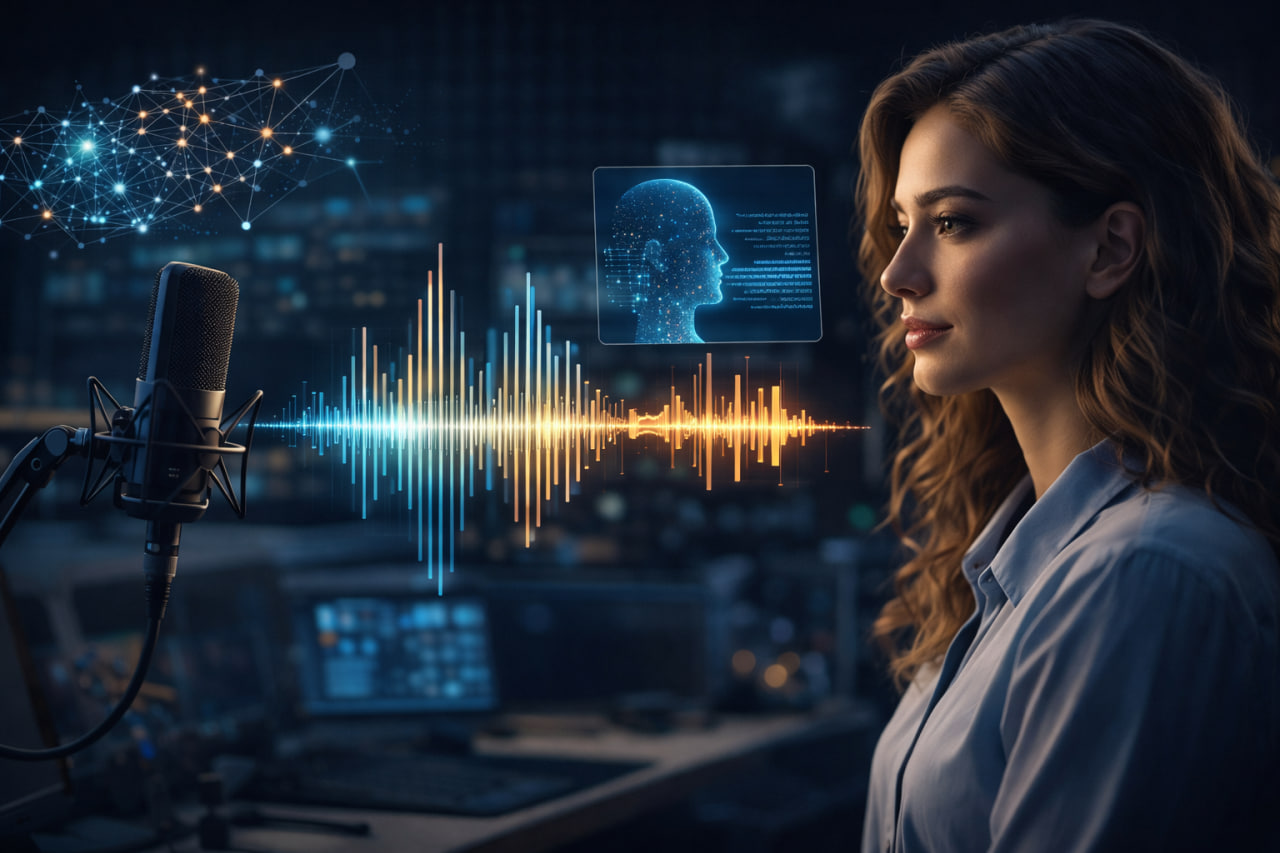
Speech technologies have become a fundamental part of everyday digital interaction, enabling humans to communicate naturally with machines. From voice assistants and automated customer support to accessibility tools and content creation, speech recognition and speech synthesis are transforming how information is processed and delivered. These technologies rely on artificial intelligence to convert spoken language into text and generate natural-sounding speech from written content. Understanding the tools behind these systems helps explain their capabilities, limitations, and real-world value.

How AI Helps in Data Analysis and Forecasting
Education and training Applications Automation

How AI Helps in Data Analysis and Forecasting

Artificial intelligence has become one of the most powerful tools for working with large volumes of data, transforming how companies, researchers, and governments make decisions. Traditional data analysis relies heavily on predefined rules and human interpretation, which limits speed and scalability. AI systems, by contrast, can process massive datasets, detect hidden patterns, and generate forecasts that would be impossible to produce manually. As data continues to grow exponentially, AI-driven analysis is becoming a core foundation of modern forecasting.

Creating Your First Chatbot: A Step-by-Step Guide
Automation AI in Media Production AI for Everyday Life

Creating Your First Chatbot: A Step-by-Step Guide

Chatbots have evolved from simple scripted responders into powerful digital assistants capable of handling customer support, education, automation, and personal productivity. Today, creating a chatbot no longer requires a large engineering team or deep expertise in artificial intelligence. With modern tools, APIs, and frameworks, even beginners can build a functional and useful chatbot by following a structured process. This guide explains how to create your first chatbot step by step, focusing on concepts, architecture, and practical decisions rather than specific products or medical or legal advice. The goal of a first chatbot is not perfection. It is to understand how conversational systems work, how users interact with them, and how to gradually improve functionality over time.

Low-Code and No-Code AI Platforms: Creating Models Without Programming
Skills and development Applications AI in Media Production

Low-Code and No-Code AI Platforms: Creating Models Without Programming

Artificial intelligence is no longer reserved exclusively for programmers, data scientists, or large technology companies. In recent years, low-code and no-code AI platforms have dramatically lowered the barrier to entry, allowing non-technical users to build, train, and deploy AI models without writing traditional code. These platforms are changing how businesses, educators, and creators approach AI—shifting the focus from algorithms to problems, data, and outcomes. Low-code and no-code AI does not eliminate complexity entirely, but it hides it behind intuitive interfaces, visual workflows, and automated processes. As a result, AI development becomes more accessible, faster, and more aligned with real-world business needs.

Midjourney vs Stable Diffusion: Which Image Generator Should You Choose?
Education and training Applications AI in Media Production

Midjourney vs Stable Diffusion: Which Image Generator Should You Choose?

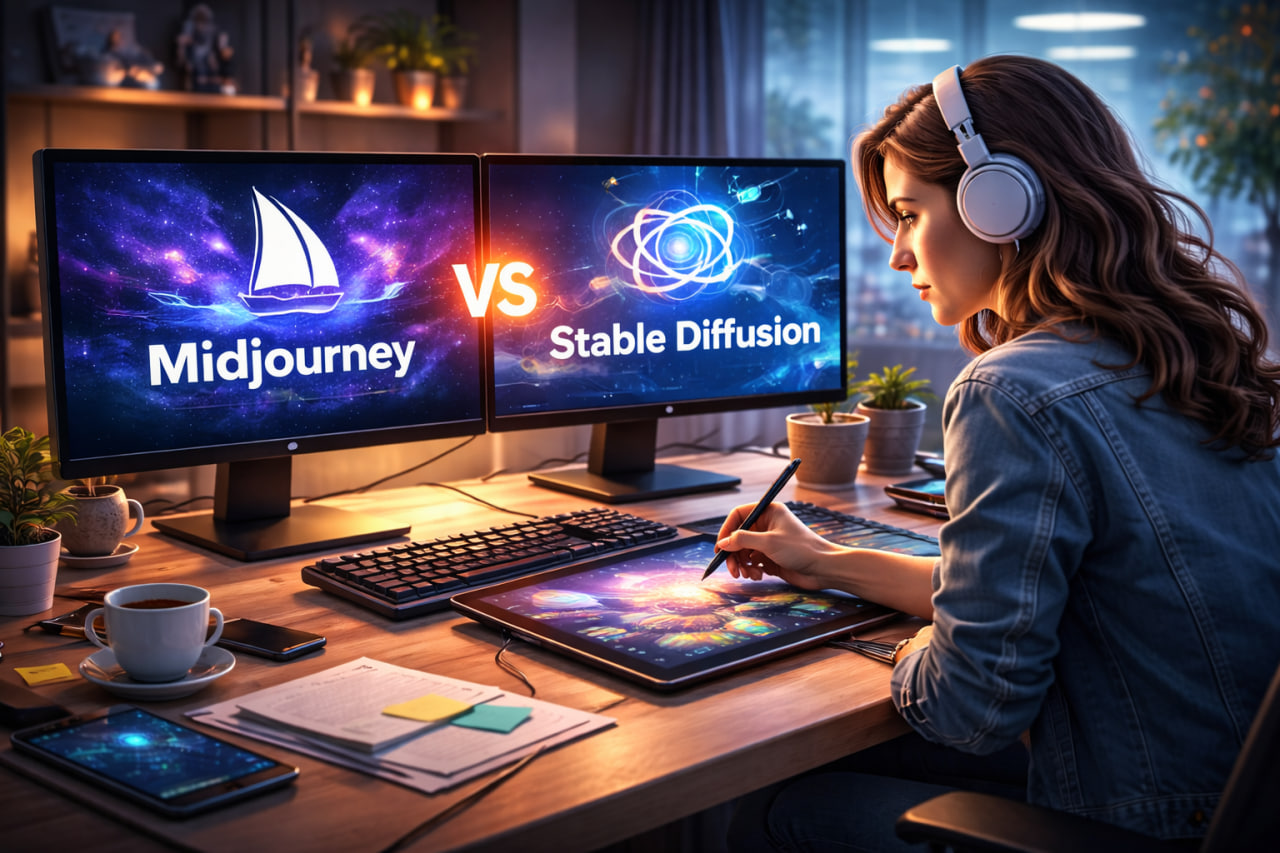
AI image generation has rapidly evolved from experimental tools into professional-grade systems used in design, marketing, media, and product development. Among the most discussed platforms today are Midjourney and Stable Diffusion, two generators that share similar foundations but differ radically in philosophy, control, and use cases. Choosing between them is not about which is “better” overall, but about which aligns with your creative goals, technical comfort level, and workflow requirements. To make a meaningful comparison, it is important to look beyond surface-level image quality and examine how these systems are built and used in practice.

GPT, Claude, Alice, and Gemini: Comparing the AI Giants
Applications Creative Arts AI in Media Production

GPT, Claude, Alice, and Gemini: Comparing the AI Giants

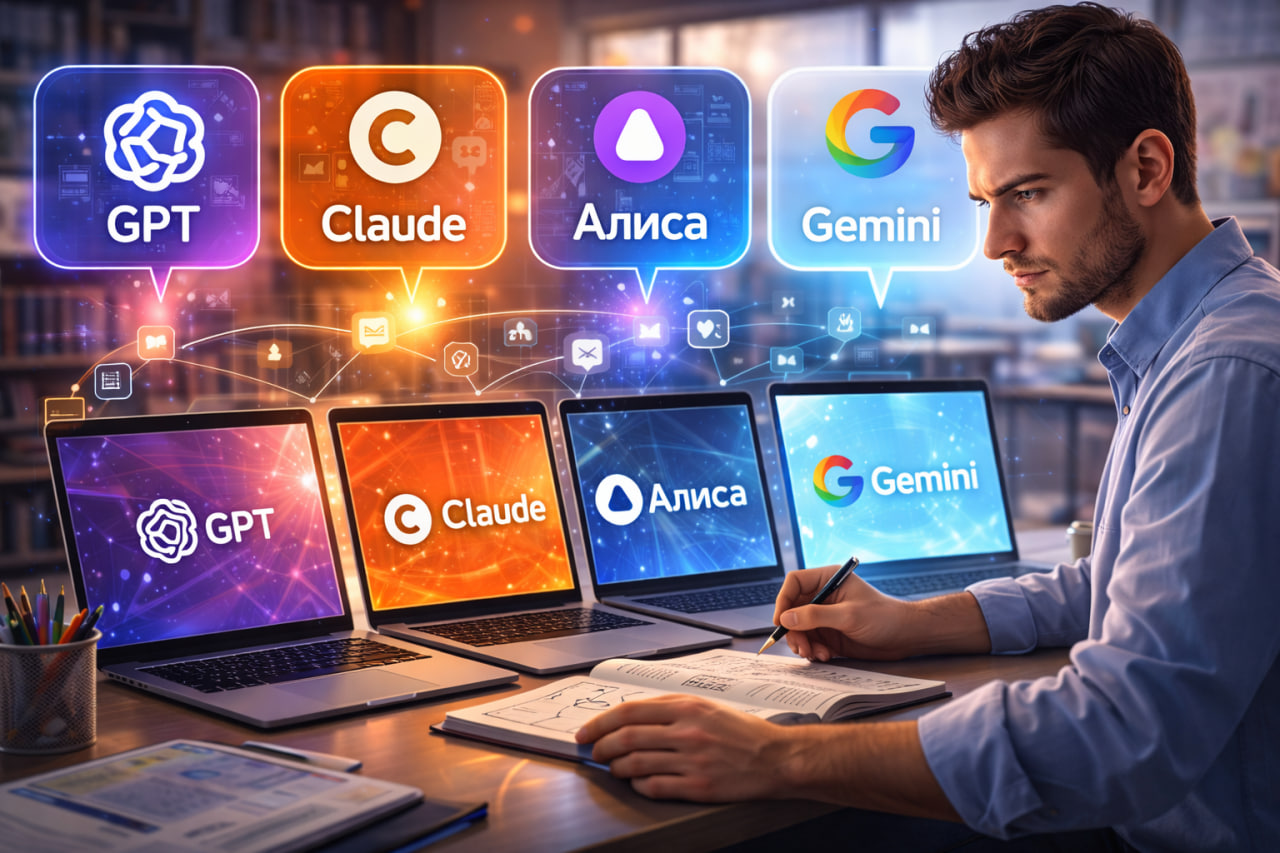
Large language models have rapidly become central interfaces between humans and digital systems. What started as experimental chatbots has evolved into powerful platforms capable of writing, reasoning, coding, summarizing, and assisting across industries. GPT, Claude, Alice, and Gemini represent four different philosophies of how conversational AI should be designed, trained, and deployed. Comparing them is not about declaring a single winner, but about understanding how priorities such as reasoning depth, safety, ecosystem integration, and cultural context shape each system’s strengths and limitations.

Supervised vs Unsupervised Learning: Key Concepts Explained
AI in Media Production AI for Content Creators AI in Cybersecurity

Supervised vs Unsupervised Learning: Key Concepts Explained

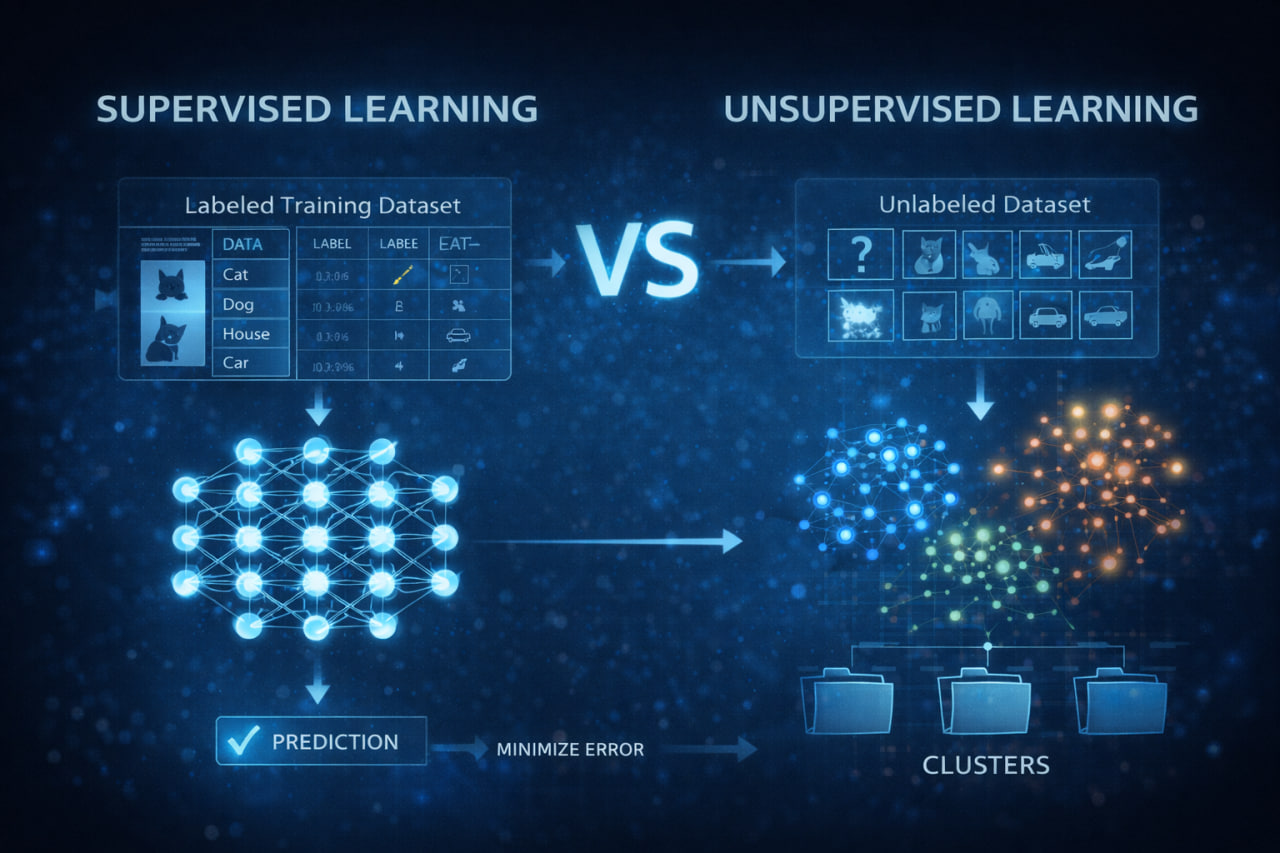
Machine learning systems learn from data, but how they learn depends on the structure of that data and the goals defined by humans. Two foundational approaches dominate this landscape: supervised learning and unsupervised learning. While both aim to uncover patterns and generate useful insights, they differ fundamentally in data requirements, learning mechanisms, and real-world applications. Understanding these approaches is essential for grasping how modern AI systems are built, evaluated, and deployed across industries.