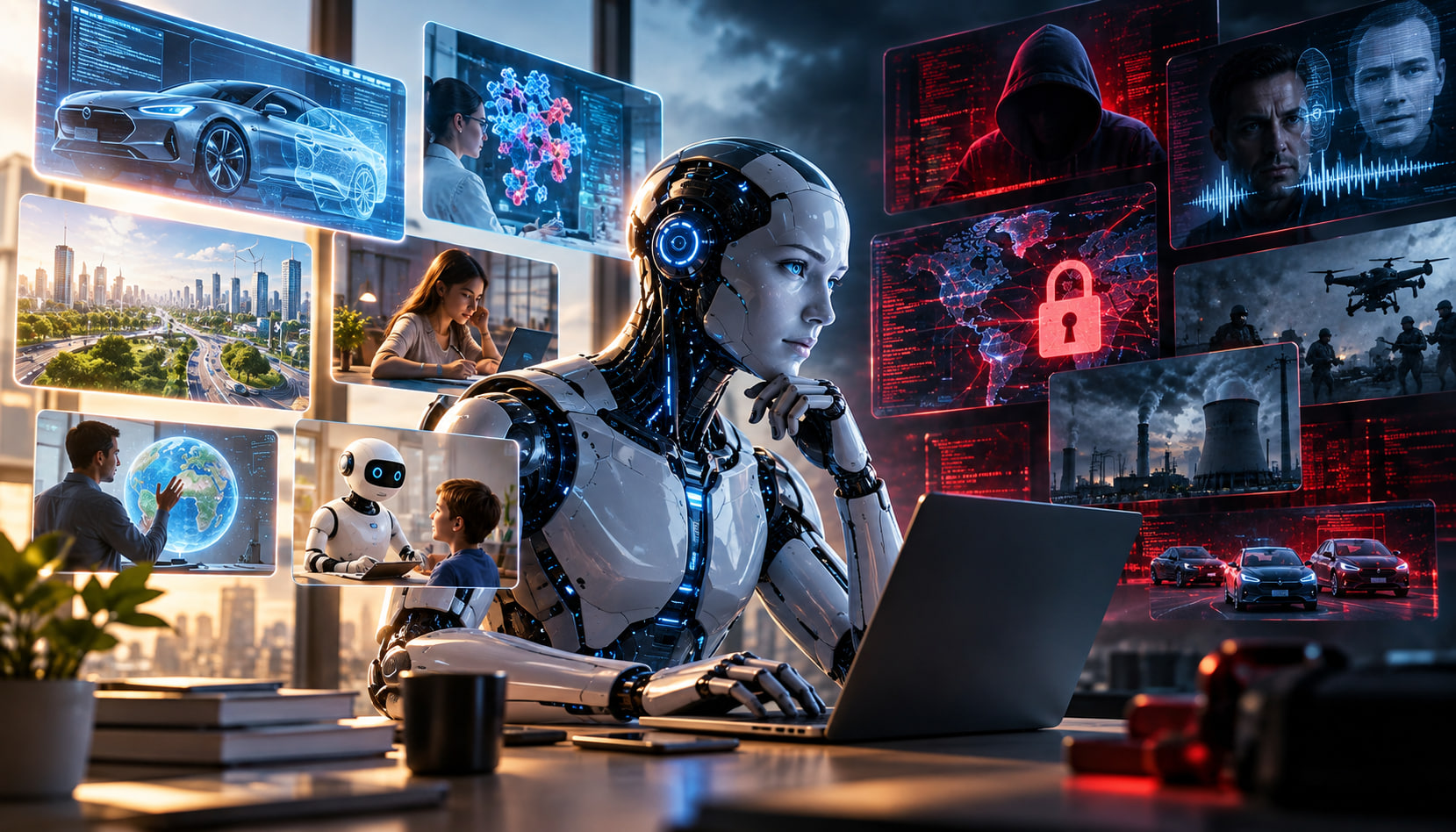
Artificial intelligence has changed more in the past few years than many technologies change in a decade. Systems that once struggled to produce a coherent paragraph can now write software, analyze complex documents, interpret images, generate realistic video, solve advanced scientific problems, and operate computers with limited human supervision.
Kimi K3 is not simply another large language model arriving in an already crowded artificial intelligence market. Developed by Beijing-based Moonshot AI, it represents one of the most ambitious attempts yet to prove that an open-weight model from China can compete at the frontier of coding, reasoning, research, multimodal understanding, and autonomous knowledge work.
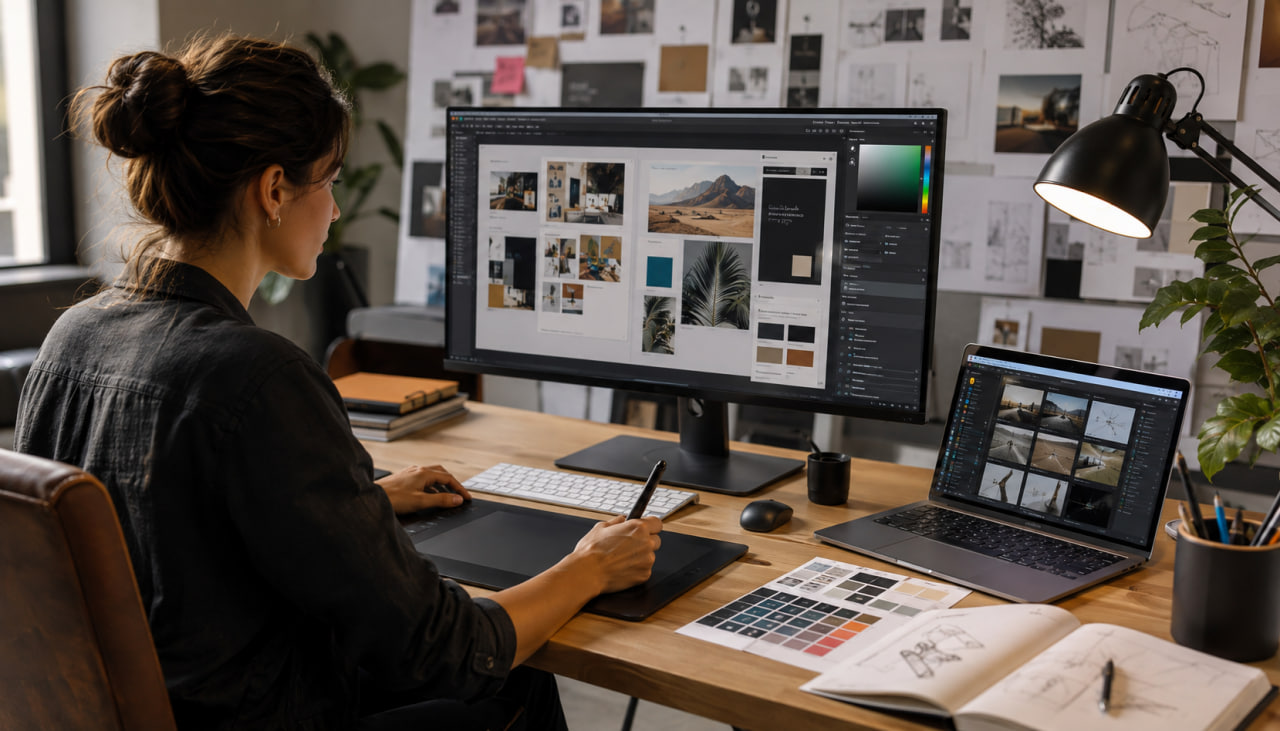
Artificial intelligence has moved from a novelty for generating experimental images into a serious part of professional design workflows. In 2026, designers can use AI to create moodboards, generate visual concepts, edit photographs, build interface prototypes, produce campaign variations, animate still images, create video, reorganize files, rewrite copy, and automate repetitive production tasks.
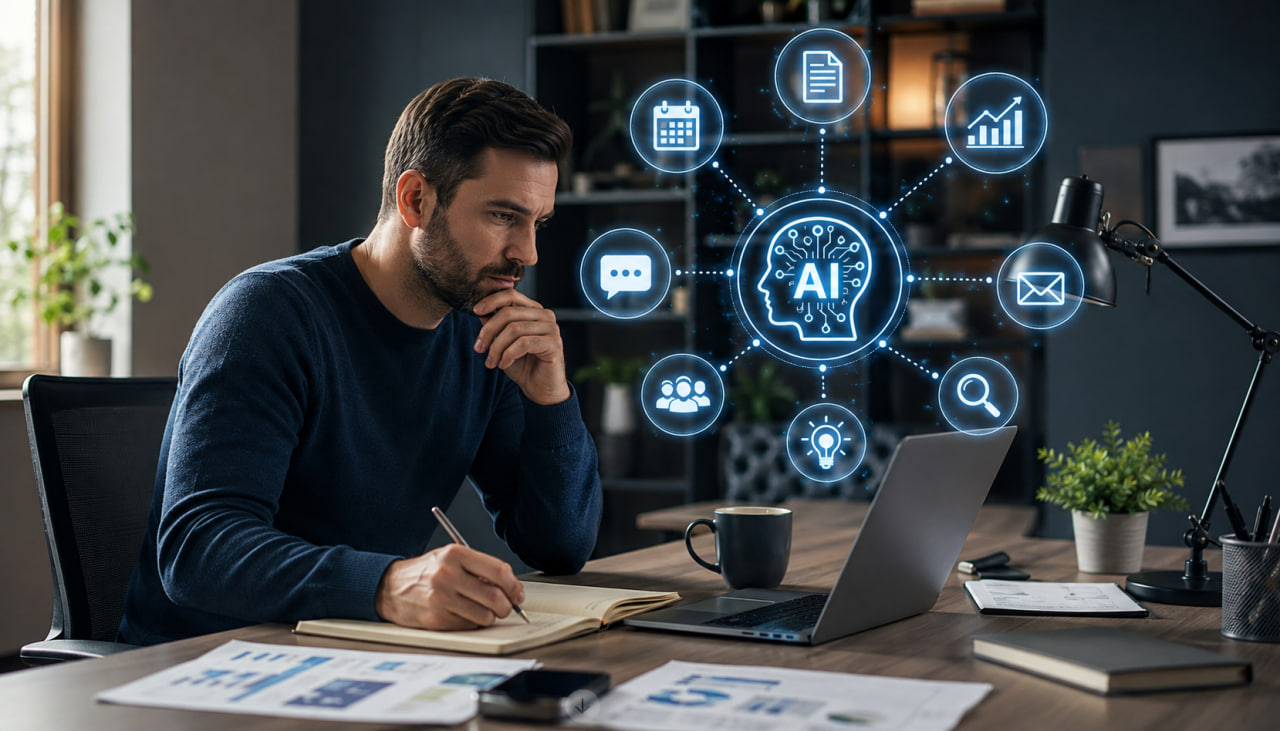
Artificial intelligence has moved from a specialist technology into an everyday tool. It can help write emails, summarize documents, organize projects, analyze information, plan trips, learn new skills, compare products, prepare presentations, improve customer service, and even help drivers understand electric-vehicle charging or maintenance data.
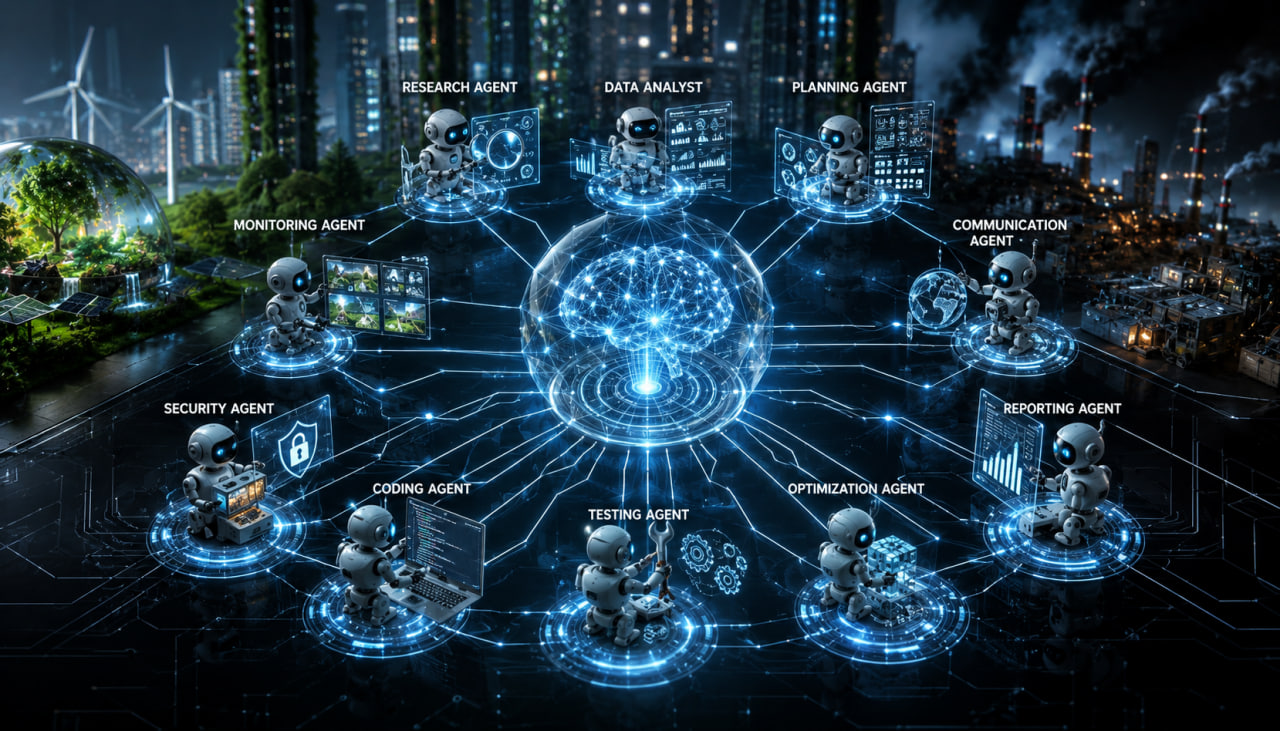
AI automation is moving beyond single chatbots that answer questions one request at a time. The emerging model is a coordinated group of software agents that can divide work, use digital tools, exchange information, review one another’s results, and pursue a shared objective with limited human intervention.
ChatGPT 5.6 represents a major shift from a general-purpose conversational assistant toward a more capable system for complex professional work. The new generation is designed to handle demanding tasks in coding, research, science, cybersecurity, computer use, document creation, and visual design with greater accuracy and efficiency.
Malware can steal passwords, encrypt personal files, monitor online activity, damage operating systems, and give criminals remote access to computers and mobile devices. It can affect individual users, families, businesses, and public organizations.
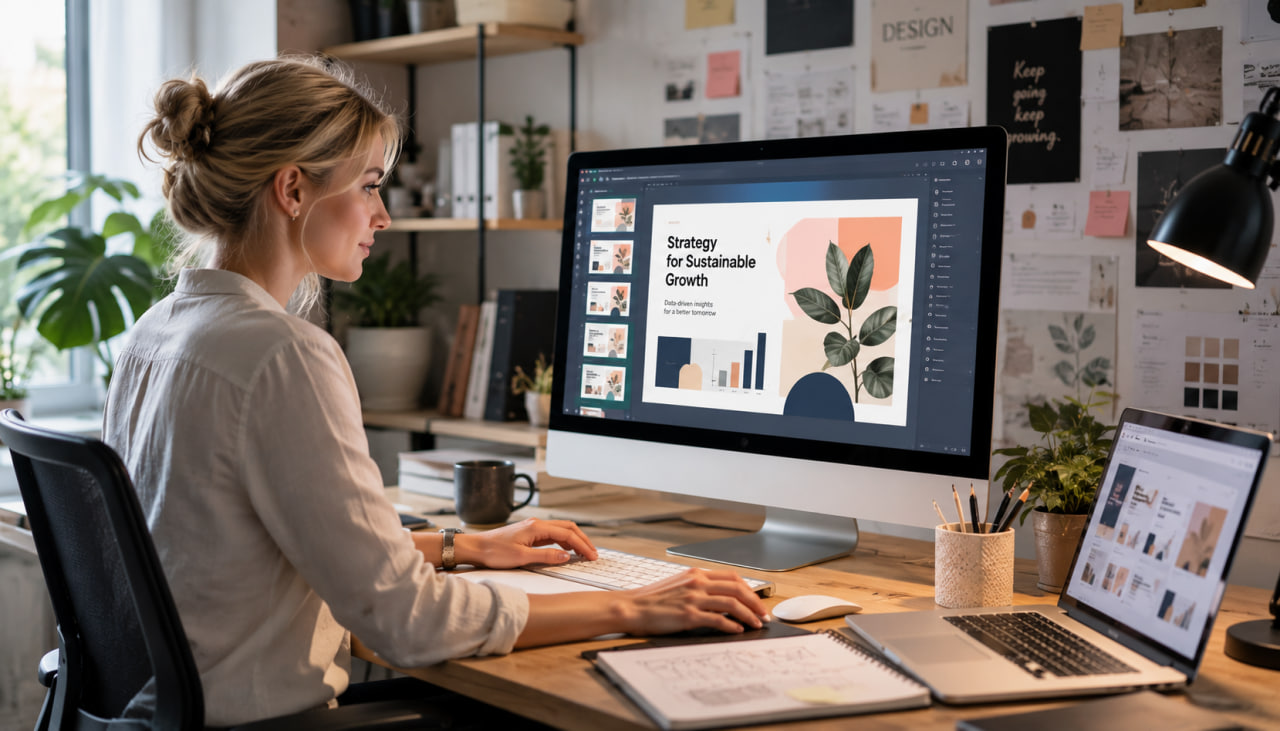
Artificial intelligence has transformed the way presentations and infographics are created. What once required hours of design work, content organization, and graphic editing can now be completed in just a few minutes using modern AI-powered tools. Whether you are preparing a business pitch, school project, marketing campaign, sales report, or conference presentation, AI can generate professional slides, design visually appealing infographics, suggest layouts, write compelling content, and even create custom illustrations. AI dramatically reduces the time spent on design while allowing users to focus on ideas, storytelling, and communication.
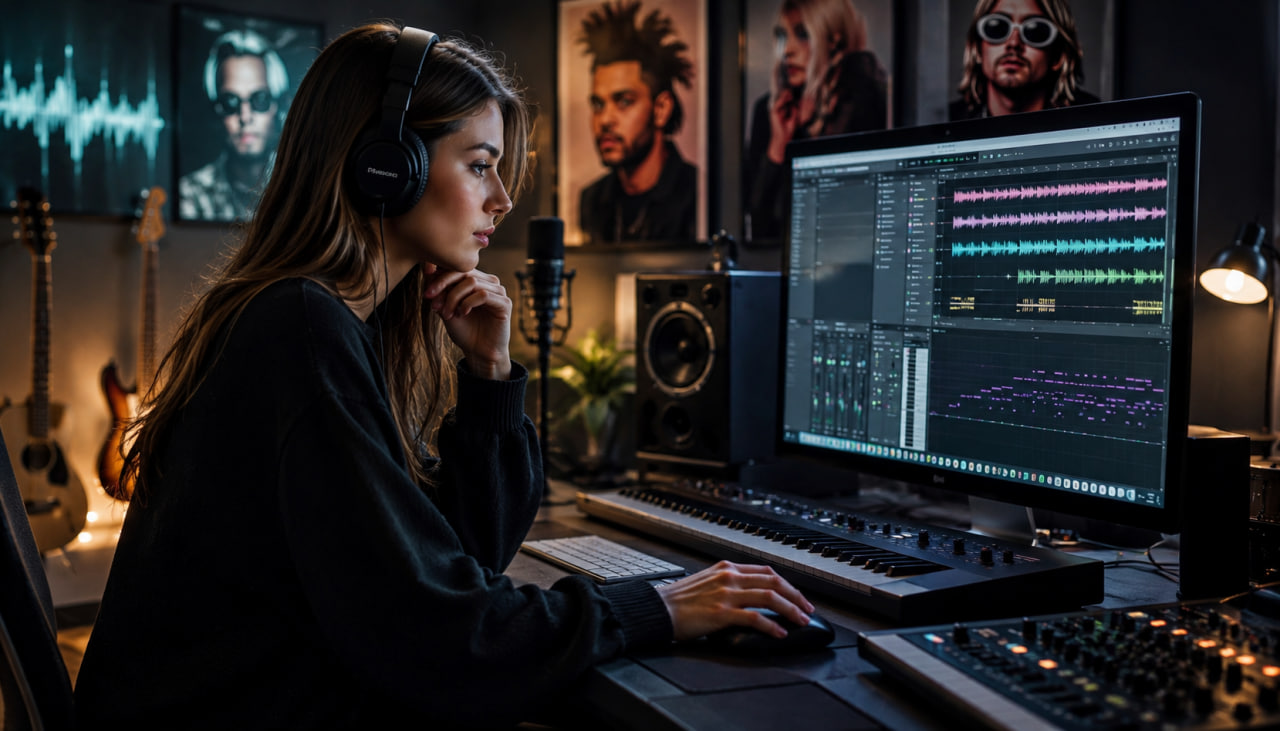
Artificial intelligence is rapidly transforming the music industry. What once required years of musical training, expensive studio equipment, and collaboration with professional producers can now be partially achieved through advanced AI systems capable of generating melodies, harmonies, vocals, and complete songs within minutes. One of the most fascinating and controversial applications of this technology is the ability to create music that resembles the style of famous artists. While AI cannot truly replicate human creativity, modern models can analyze vast amounts of musical data and generate compositions that capture recognizable characteristics of particular genres, eras, and performers. As AI-generated music becomes increasingly sophisticated, it is raising important questions about creativity, copyright, and the future of the music business.
Artificial intelligence has dramatically lowered the barrier to launching new products and businesses. Just a few years ago, building an AI-powered application required large engineering teams, expensive infrastructure, and significant funding. Today, entrepreneurs can create functional AI-powered MVPs (Minimum Viable Products) in weeks—or even days—using existing AI platforms and no-code tools. This shift has fundamentally changed startup development. Instead of spending months or years building a complete product, founders can now test demand quickly, collect user feedback, and validate business ideas before making major investments. The most successful AI startups increasingly follow a simple principle: validate first, scale later. For entrepreneurs, understanding how to build an AI MVP efficiently may be one of the most valuable skills in the modern innovation economy.