Applications

How AI is Shaping the Future of Customer Service: GPT vs. Human
Applications Smart Technologies

How AI is Shaping the Future of Customer Service: GPT vs. Human

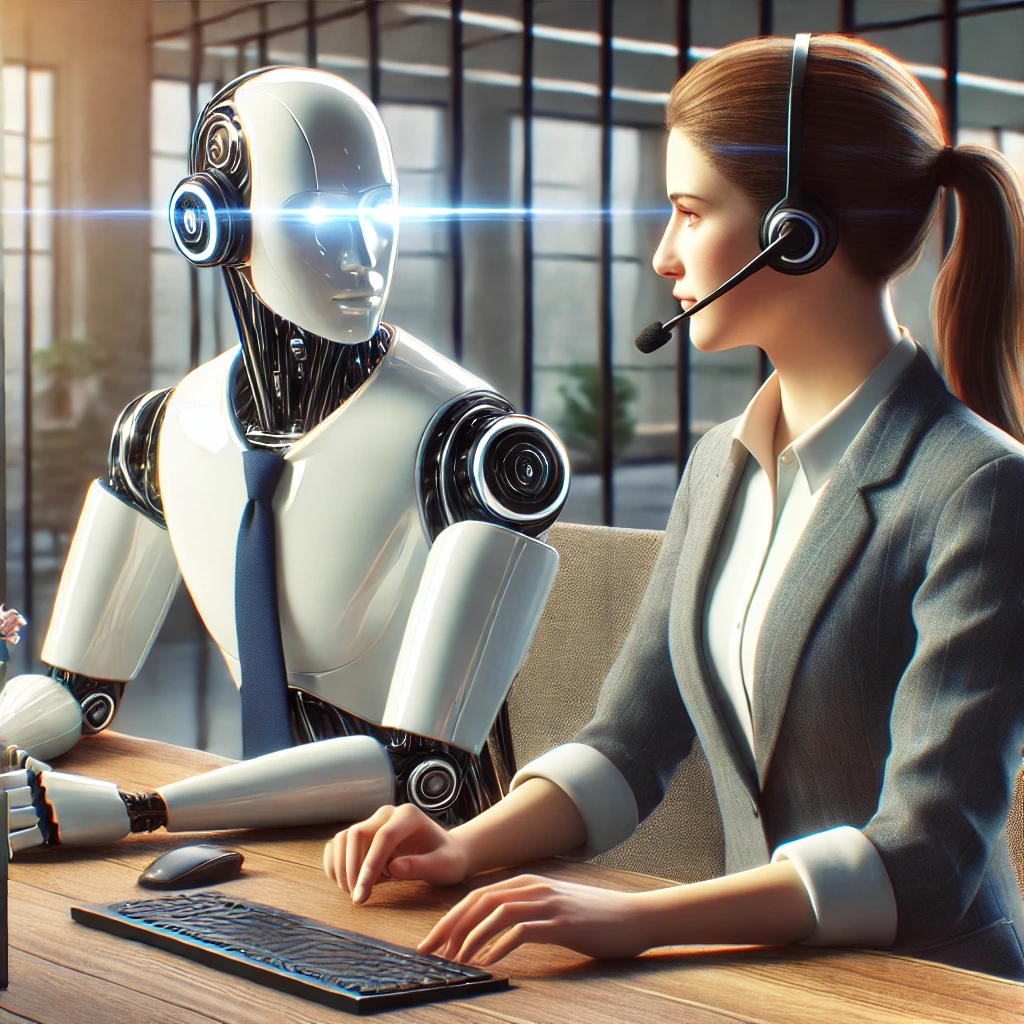
Customer service has always been a cornerstone of successful businesses, ensuring customer satisfaction, loyalty, and problem resolution. However, the rapid advancement of artificial intelligence (AI), particularly Generative Pre-trained Transformers (GPT), has revolutionized how companies interact with customers. Businesses now face a fundamental question: can AI-powered chatbots fully replace human, or is a hybrid model the future of customer support?
GPT in the Legal Sector: Automating Document Review and Case Analysis
Applications Smart Technologies Automation

GPT in the Legal Sector: Automating Document Review and Case Analysis

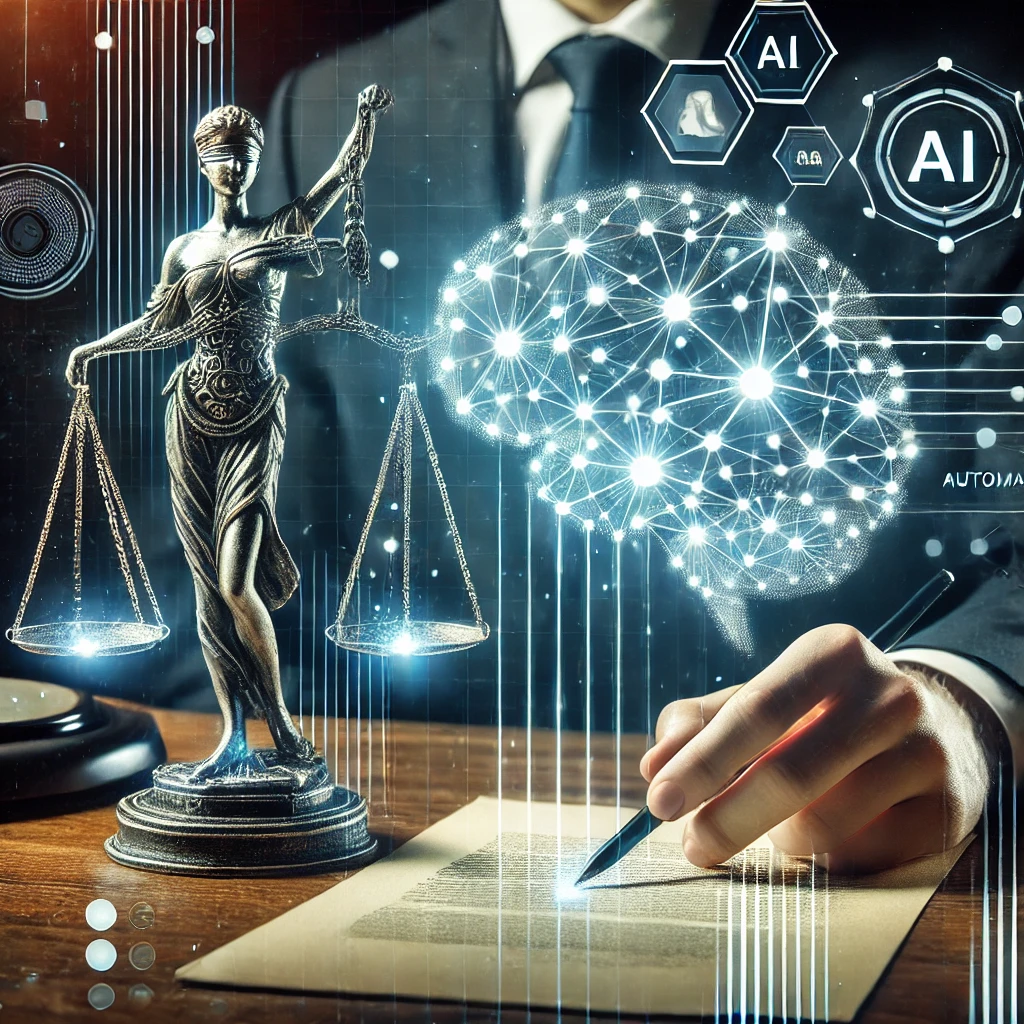
Imagine you’re a lawyer working on a complex corporate merger. Stacks of contracts, hundreds of pages of legal precedents, and emails filled with intricate clauses need to be reviewed in mere days. For years, such tasks have been synonymous with late nights, high costs, and relentless attention to detail. But what if there were a way to lighten the load? Enter GPT, a language model transforming the legal world by automating document review, case analysis, and more.

The Psychology of AI: How GPT Simulates Emotional Intelligence in Conversations
Applications Smart Technologies

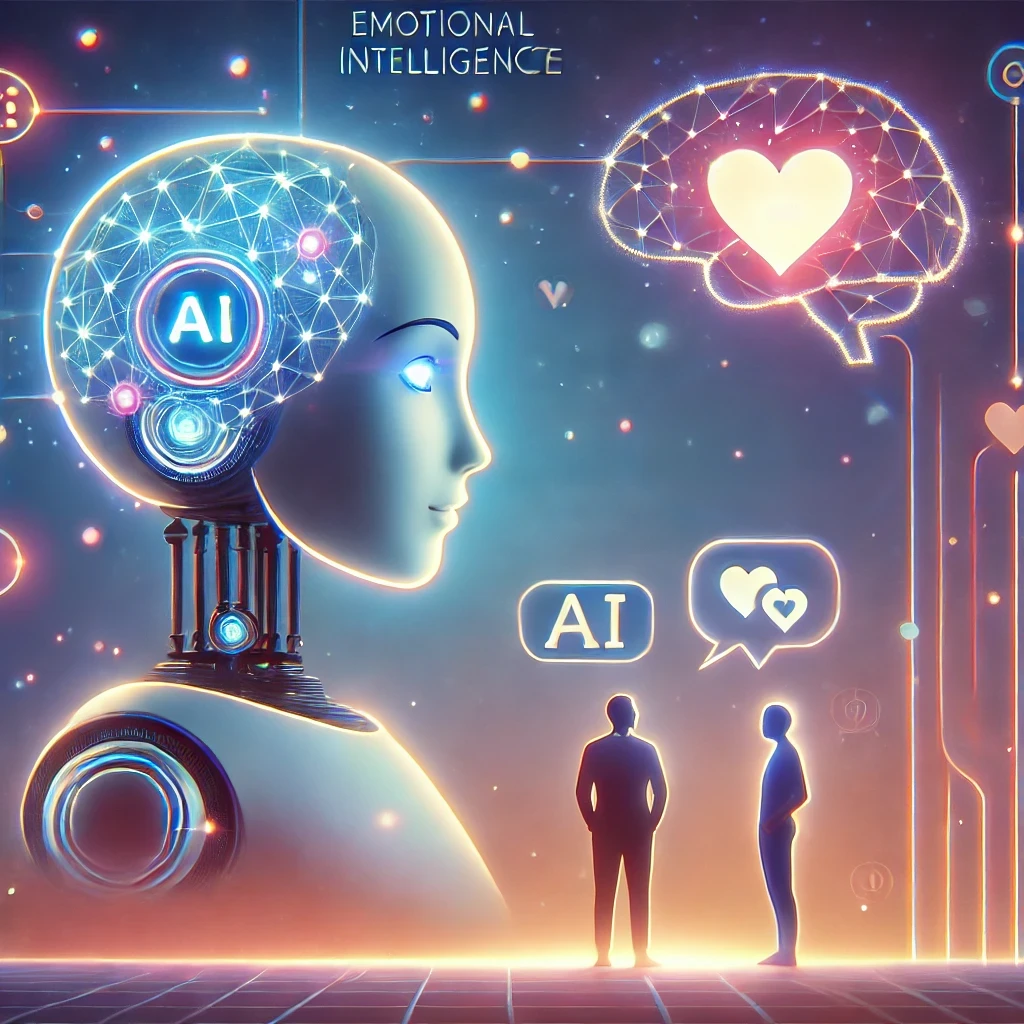
The Psychology of AI: How GPT Simulates Emotional Intelligence in Conversations

Artificial intelligence has made remarkable strides in recent years, and one of its most intriguing advancements is its ability to simulate emotional intelligence (EI). While GPT, or Generative Pre-trained Transformer, is fundamentally a language model that processes and generates text, it has the capacity to mimic human-like emotional responses. This capability has profound implications for industries ranging from mental health support to customer service. But how exactly does GPT simulate emotional intelligence, and what are the implications for its interactions with users? Let’s dive into the psychology of AI and explore how GPT "understands" emotions and applies them in conversations.

From Data to Decision: How GPT Helps Businesses Analyze and Interpret Information
Applications Smart Technologies

From Data to Decision: How GPT Helps Businesses Analyze and Interpret Information

In today’s data-driven world, businesses are generating more information than ever before. From customer behavior to operational metrics, this data has the potential to unlock transformative insights—if used effectively. However, the challenge lies in sifting through vast amounts of data and turning it into actionable decisions. Enter GPT (Generative Pre-trained Transformer), an AI-powered tool that revolutionizes how businesses analyze and interpret information. In this article, we’ll explore how GPT simplifies data analysis, enhances decision-making, and empowers organizations to act strategically.

Breaking Down the Layers: Understanding the Mechanics of Large Language Models
Education and training Applications Customer Experience

Breaking Down the Layers: Understanding the Mechanics of Large Language Models

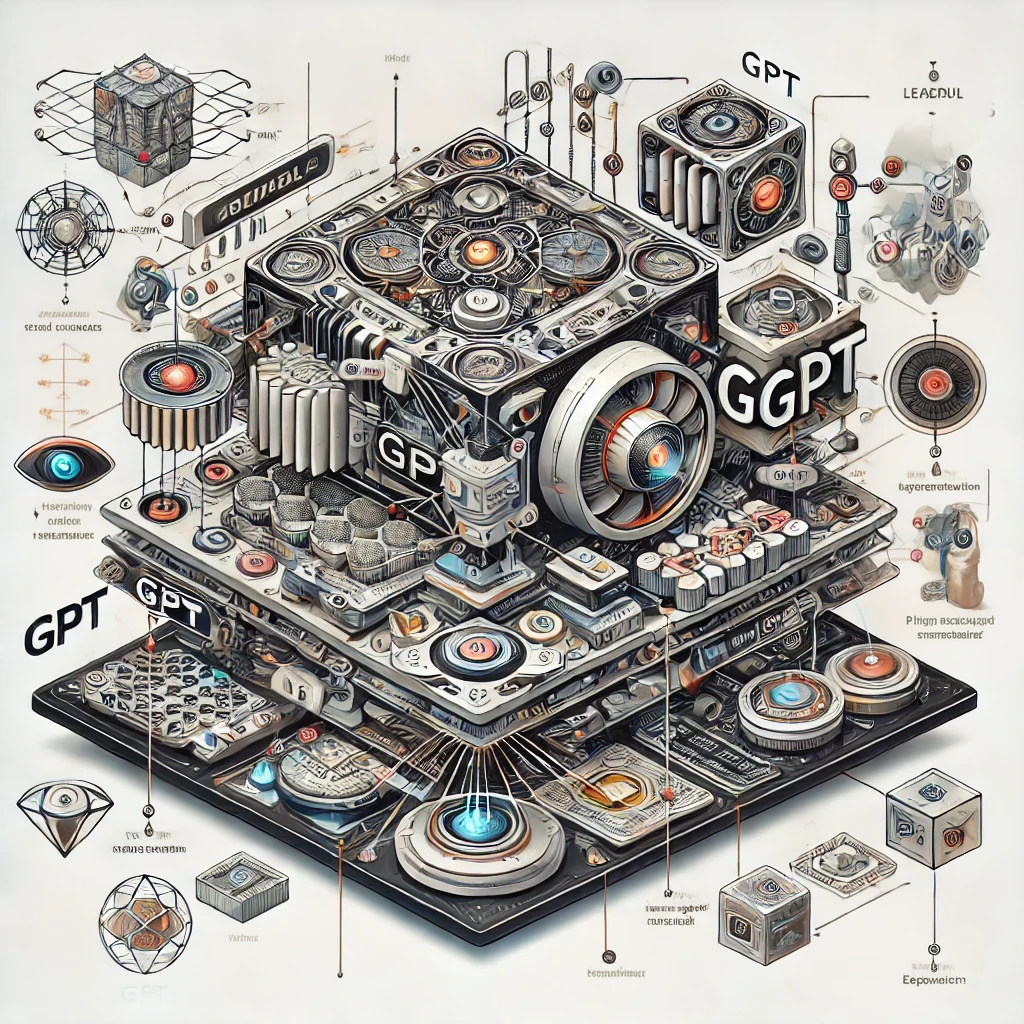
Large language models (LLMs) like GPT (Generative Pre-trained Transformer) have revolutionized artificial intelligence (AI), enabling applications such as text generation, content creation, and advanced chatbots. But what’s happening under the hood of these models? In this guide, we’ll break down the inner workings of LLMs into digestible parts, explaining key concepts step by step so that anyone can understand how they operate.

Mastering GPT Prompts: Tips and Tricks for Better AI Responses
Skills and development Applications

Mastering GPT Prompts: Tips and Tricks for Better AI Responses

The quality of responses from AI systems like GPT largely depends on the way you frame your prompts. Writing effective prompts is both an art and a science, and mastering it can significantly enhance the value you derive from these systems. Whether you're using GPT for content creation, programming assistance, brainstorming, or casual conversations, a well-crafted prompt can make the difference between a vague, generic response and a highly relevant, detailed one. In this guide, we’ll explore the key principles of prompt engineering and share advanced techniques to help you get better responses from AI.

Predicting the Unpredictable: How AI Can Help in Crisis Management
Applications Smart Technologies Emergency Management

Predicting the Unpredictable: How AI Can Help in Crisis Management

In an era marked by frequent and complex crises, artificial intelligence (AI) is becoming a powerful tool in helping governments, organizations, and communities prepare for, respond to, and recover from unforeseen situations. From natural disasters and pandemics to cybersecurity breaches and supply chain disruptions, crisis management has become increasingly challenging, requiring rapid and effective responses. AI, with its ability to analyze vast amounts of data, predict trends, and automate processes, offers significant advantages in crisis management, enabling organizations to make more informed decisions under pressure. This article explores how AI contributes to crisis management and the various ways it is used to predict, prepare for, and address crises.

Augmented Reality Meets AI: Creating Immersive and Interactive Experiences
Applications Smart Technologies

Augmented Reality Meets AI: Creating Immersive and Interactive Experiences

As technology evolves, the integration of artificial intelligence (AI) and augmented reality (AR) is transforming the way we interact with digital and physical worlds. Augmented reality enhances our environment by overlaying digital content on the real world, while AI brings intelligence and adaptability to these experiences, making them more immersive and interactive. From gaming and retail to education and healthcare, AI-driven AR is expanding the boundaries of what is possible, delivering tailored experiences that feel intuitive and engaging. This article explores how AI is enhancing AR technology and the various applications of this powerful combination.

Using AI for Personal Growth: How Language Models Support Coaching and Self-Improvement
Skills and development Applications

Using AI for Personal Growth: How Language Models Support Coaching and Self-Improvement

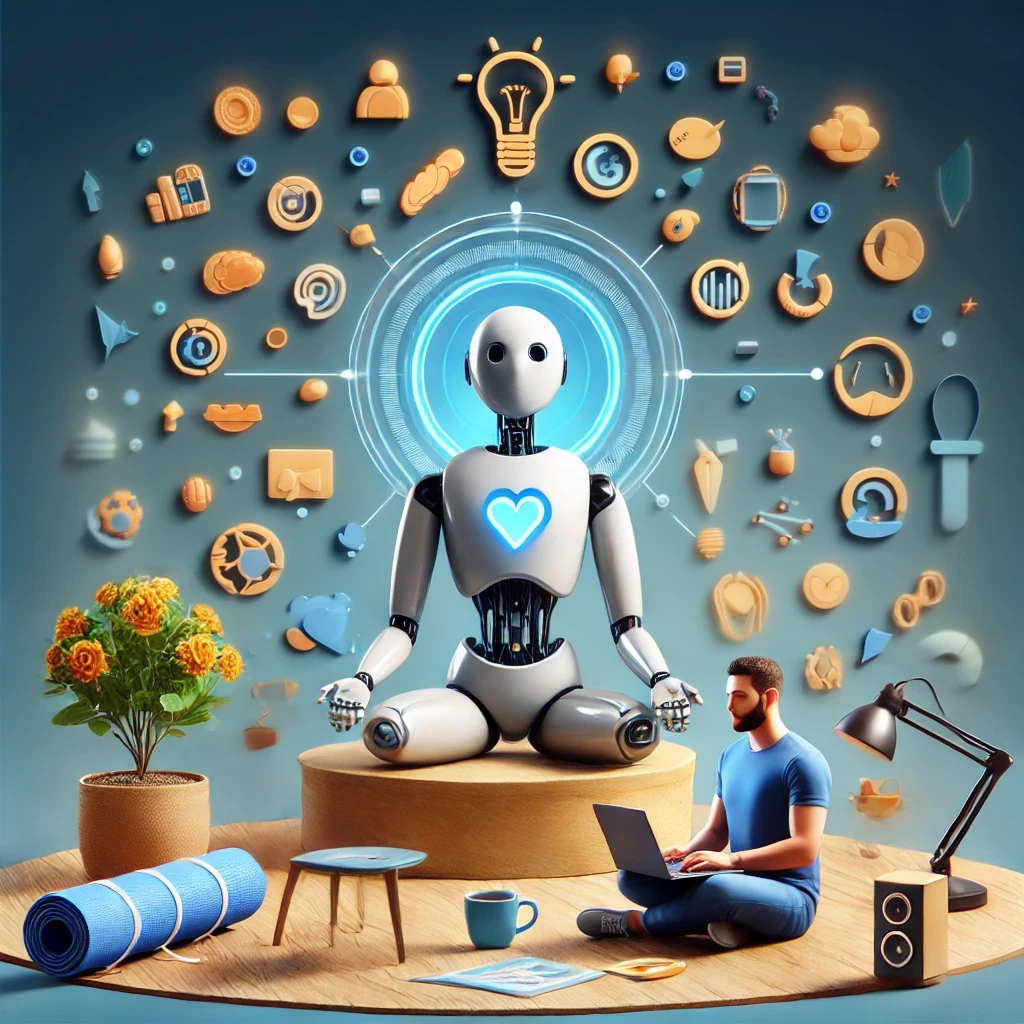
Artificial intelligence, particularly through language models like GPT, is making strides in supporting personal growth, motivation, and self-improvement. AI's ability to process large volumes of information and generate personalized feedback makes it a valuable tool for individuals seeking guidance, motivation, and new insights into their personal and professional development. By incorporating AI into coaching and self-improvement practices, individuals can explore structured self-reflection, set achievable goals, and receive real-time feedback. This article delves into the various ways AI, specifically language models, is being utilized for personal growth and the potential benefits of AI-driven coaching.

Personalized AI in E-Commerce: How GPT and Machine Learning Enhance Shopping Experiences
Applications Smart Technologies Customer Experience

Personalized AI in E-Commerce: How GPT and Machine Learning Enhance Shopping Experiences

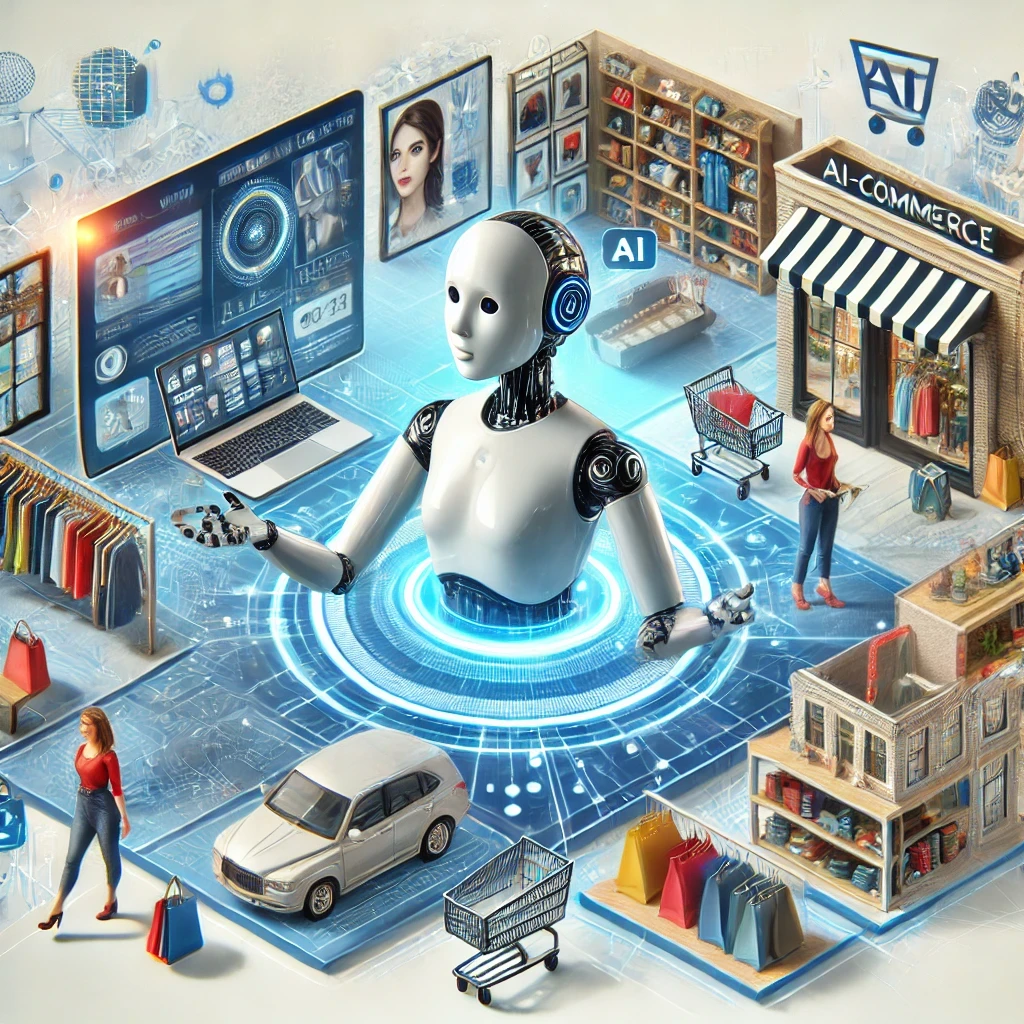
As e-commerce continues to grow, businesses are increasingly turning to artificial intelligence (AI) to improve customer experiences and boost sales. Personalized shopping experiences, enabled by technologies like GPT (Generative Pre-trained Transformer) and machine learning, have become a key differentiator in the competitive online marketplace. By analyzing data on customer preferences, behavior, and purchasing history, AI can tailor product recommendations, automate customer support, and create dynamic content that resonates with individual shoppers. This article explores how personalized AI is transforming e-commerce, highlighting the specific ways in which GPT models and machine learning enhance the shopping experience and drive sales.