GPT & AI tips — Page 4

Tips and news about GPT and AI

Recurrent Neural Networks: How RNNs Work, Why They Matter, and Where They Are Used Today
Smart Technologies Innovations AI for Content Creators

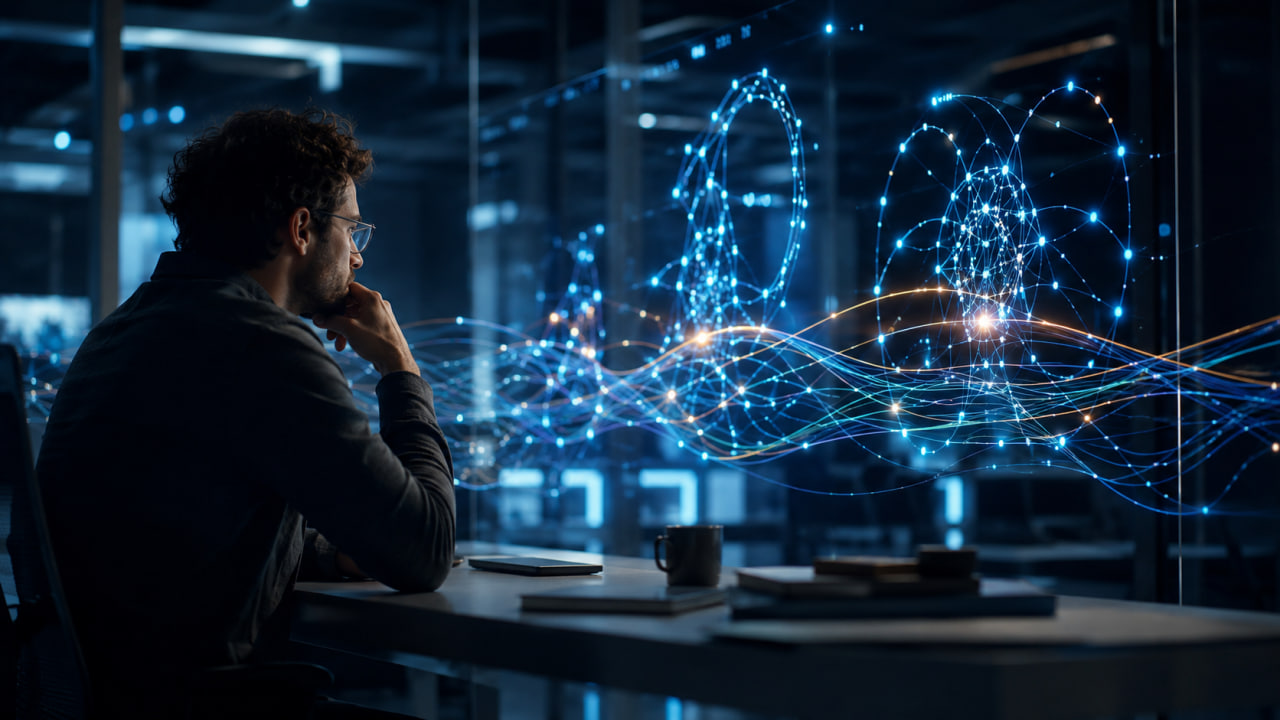
Recurrent Neural Networks: How RNNs Work, Why They Matter, and Where They Are Used Today

Recurrent neural networks, usually called RNNs, are one of the foundational architectures in modern artificial intelligence. Before transformers became dominant in language models, RNNs were among the most important tools for processing text, speech, sensor streams, financial data, vehicle telemetry, and other information where the order of events matters.

Top 5 AI Tools for Designers in 2026: The Best Platforms for Faster, Smarter Creative Work
Skills and development Creative Arts AI in Media Production

Top 5 AI Tools for Designers in 2026: The Best Platforms for Faster, Smarter Creative Work

Artificial intelligence has moved from a novelty for generating experimental images into a serious part of professional design workflows. In 2026, designers can use AI to create moodboards, generate visual concepts, edit photographs, build interface prototypes, produce campaign variations, animate still images, create video, reorganize files, rewrite copy, and automate repetitive production tasks.

Inside an AI Data Center: How the World’s Most Advanced AI Infrastructure Really Works
Applications Smart Technologies Automation

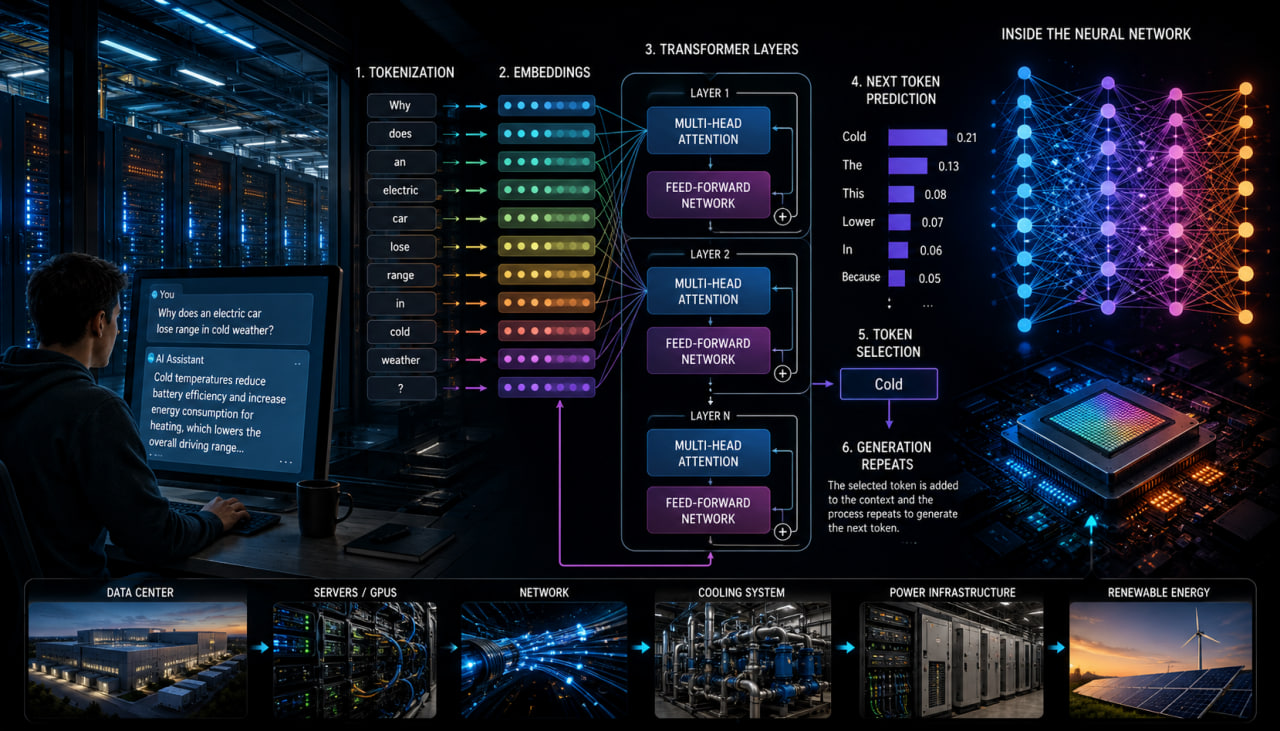
Inside an AI Data Center: How the World’s Most Advanced AI Infrastructure Really Works

Artificial intelligence may feel like software living somewhere in the cloud, but every AI response ultimately depends on an enormous amount of physical infrastructure. Behind modern systems such as large language models, image generators, recommendation engines, autonomous-driving platforms, and enterprise AI assistants are data centers packed with specialized processors, high-speed networks, cooling systems, power equipment, storage arrays, backup infrastructure, and security controls.

How to Use Artificial Intelligence in Everyday Life and at Work
AI in Media Production AI for Content Creators AI in Cybersecurity

How to Use Artificial Intelligence in Everyday Life and at Work

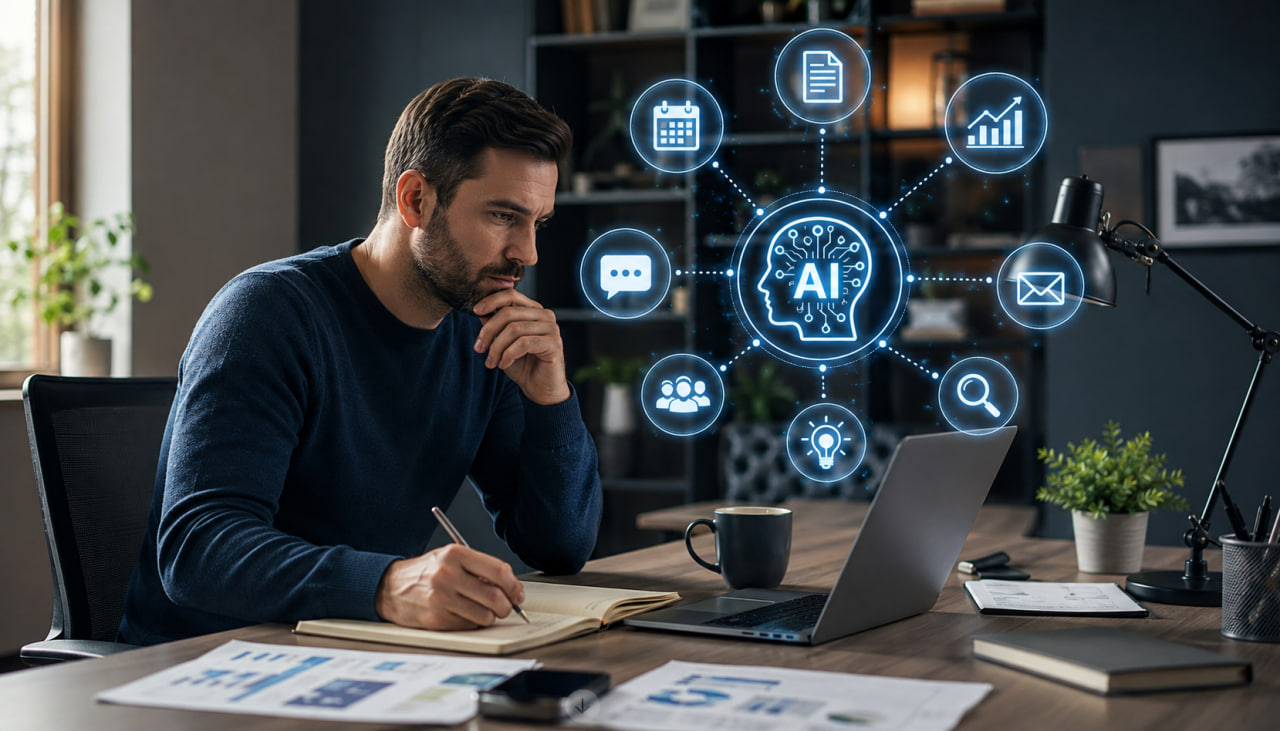
Artificial intelligence has moved from a specialist technology into an everyday tool. It can help write emails, summarize documents, organize projects, analyze information, plan trips, learn new skills, compare products, prepare presentations, improve customer service, and even help drivers understand electric-vehicle charging or maintenance data.

AI and Environmental Protection: How Artificial Intelligence Can Help Solve the Planet’s Biggest Ecological Problems
Applications Smart Technologies Predictive Analytics

AI and Environmental Protection: How Artificial Intelligence Can Help Solve the Planet’s Biggest Ecological Problems

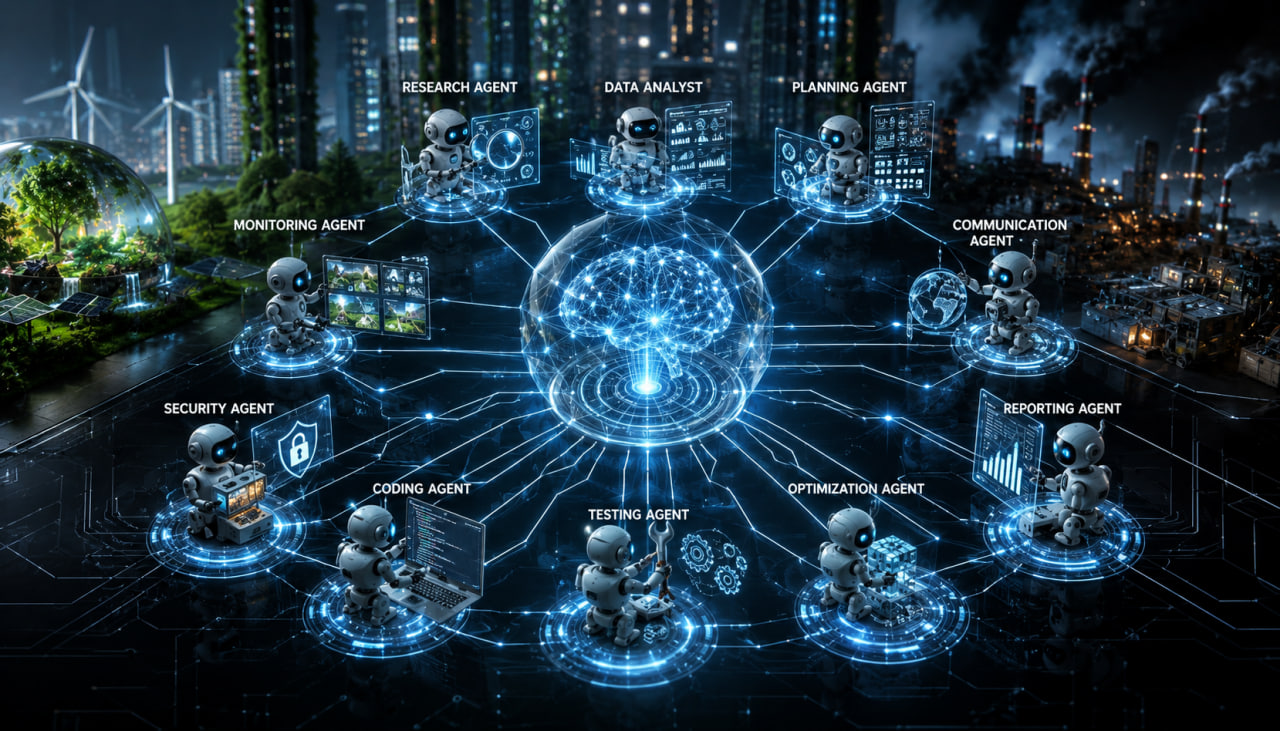
Artificial intelligence is often associated with chatbots, autonomous vehicles, and business automation, but some of its most valuable applications may be environmental. Climate change, biodiversity loss, pollution, deforestation, water scarcity, and inefficient resource use are interconnected problems that generate enormous amounts of data and demand faster decisions than traditional systems can always provide.

AI and Space Exploration: How Artificial Intelligence Will Help Humanity Reach Other Planets
Applications Smart Technologies AI in Space Exploration

AI and Space Exploration: How Artificial Intelligence Will Help Humanity Reach Other Planets

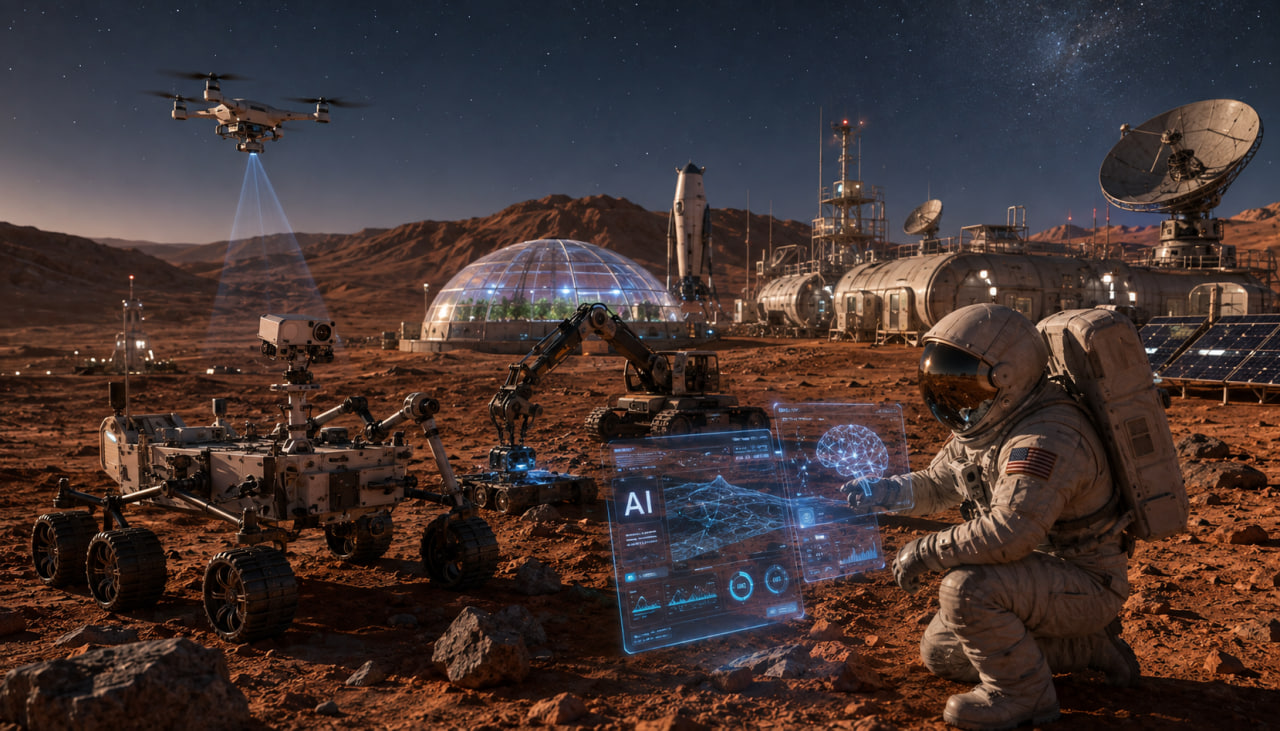
Artificial intelligence is becoming one of the most important technologies in the future of space exploration. As missions travel farther from Earth, spacecraft, robots, and astronauts will face long communication delays, dangerous environments, limited resources, and situations that cannot be managed instantly by mission control.

Brain-Computer Interfaces and AI: The Next Step in Human Evolution?
Applications Smart Technologies Customer Experience

Brain-Computer Interfaces and AI: The Next Step in Human Evolution?

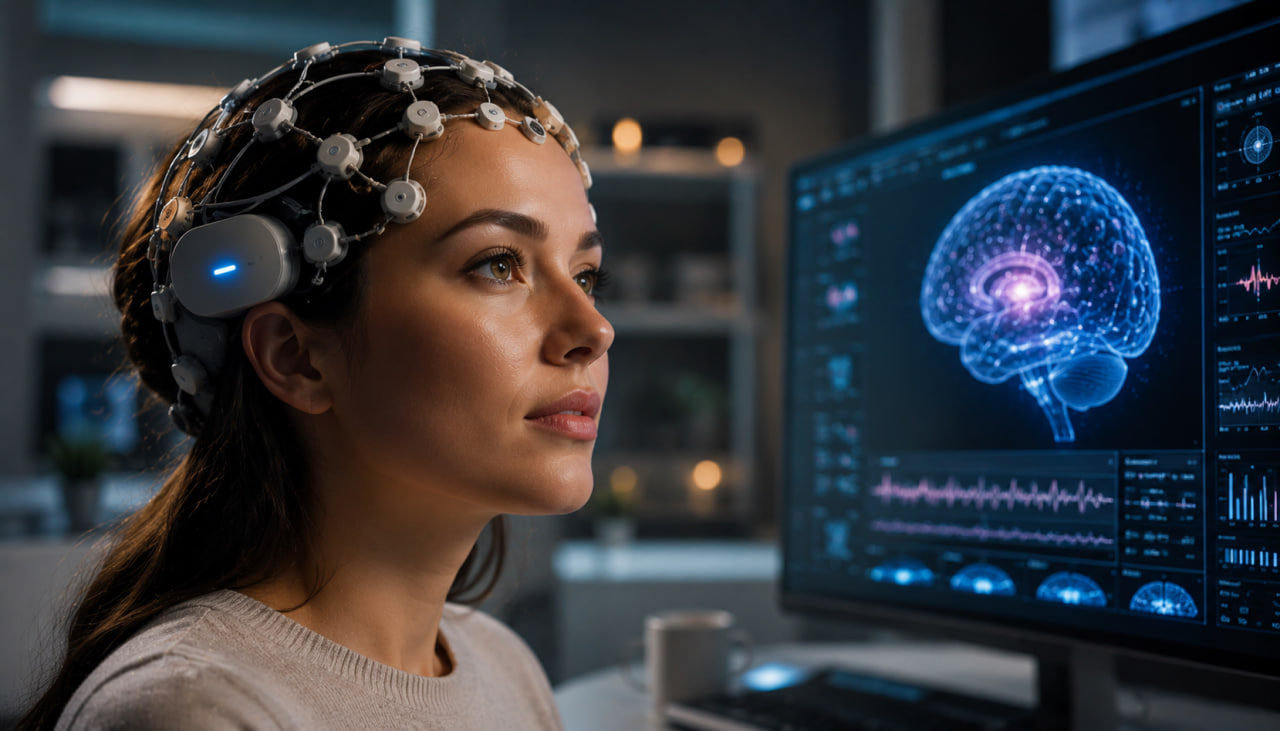
Brain-computer interfaces and artificial intelligence are moving from science fiction into clinical reality. Experimental systems can already translate neural activity into text, synthesized speech, cursor movement, robotic control, and other digital commands. For people living with paralysis or severe communication disorders, these technologies may restore abilities that injury or disease has taken away.