GPT & AI tips — Page 20

Tips and news about GPT and AI

Mastering GPT Prompts: Tips and Tricks for Better AI Responses
Skills and development Applications

Mastering GPT Prompts: Tips and Tricks for Better AI Responses

The quality of responses from AI systems like GPT largely depends on the way you frame your prompts. Writing effective prompts is both an art and a science, and mastering it can significantly enhance the value you derive from these systems. Whether you're using GPT for content creation, programming assistance, brainstorming, or casual conversations, a well-crafted prompt can make the difference between a vague, generic response and a highly relevant, detailed one. In this guide, we’ll explore the key principles of prompt engineering and share advanced techniques to help you get better responses from AI.

Predicting the Unpredictable: How AI Can Help in Crisis Management
Applications Smart Technologies Emergency Management

Predicting the Unpredictable: How AI Can Help in Crisis Management

In an era marked by frequent and complex crises, artificial intelligence (AI) is becoming a powerful tool in helping governments, organizations, and communities prepare for, respond to, and recover from unforeseen situations. From natural disasters and pandemics to cybersecurity breaches and supply chain disruptions, crisis management has become increasingly challenging, requiring rapid and effective responses. AI, with its ability to analyze vast amounts of data, predict trends, and automate processes, offers significant advantages in crisis management, enabling organizations to make more informed decisions under pressure. This article explores how AI contributes to crisis management and the various ways it is used to predict, prepare for, and address crises.

Augmented Reality Meets AI: Creating Immersive and Interactive Experiences
Applications Smart Technologies

Augmented Reality Meets AI: Creating Immersive and Interactive Experiences

As technology evolves, the integration of artificial intelligence (AI) and augmented reality (AR) is transforming the way we interact with digital and physical worlds. Augmented reality enhances our environment by overlaying digital content on the real world, while AI brings intelligence and adaptability to these experiences, making them more immersive and interactive. From gaming and retail to education and healthcare, AI-driven AR is expanding the boundaries of what is possible, delivering tailored experiences that feel intuitive and engaging. This article explores how AI is enhancing AR technology and the various applications of this powerful combination.

Using AI for Personal Growth: How Language Models Support Coaching and Self-Improvement
Skills and development Applications

Using AI for Personal Growth: How Language Models Support Coaching and Self-Improvement

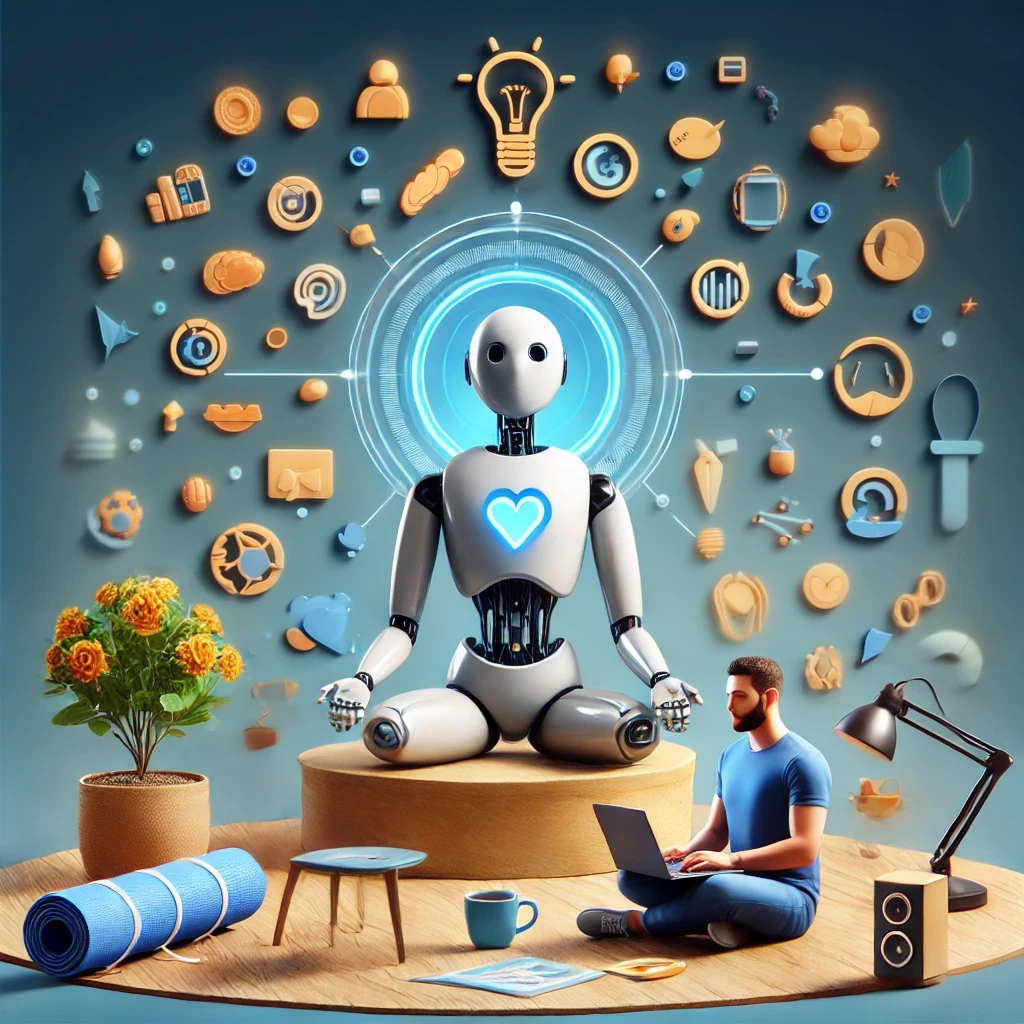
Artificial intelligence, particularly through language models like GPT, is making strides in supporting personal growth, motivation, and self-improvement. AI's ability to process large volumes of information and generate personalized feedback makes it a valuable tool for individuals seeking guidance, motivation, and new insights into their personal and professional development. By incorporating AI into coaching and self-improvement practices, individuals can explore structured self-reflection, set achievable goals, and receive real-time feedback. This article delves into the various ways AI, specifically language models, is being utilized for personal growth and the potential benefits of AI-driven coaching.

Personalized AI in E-Commerce: How GPT and Machine Learning Enhance Shopping Experiences
Applications Smart Technologies Customer Experience

Personalized AI in E-Commerce: How GPT and Machine Learning Enhance Shopping Experiences

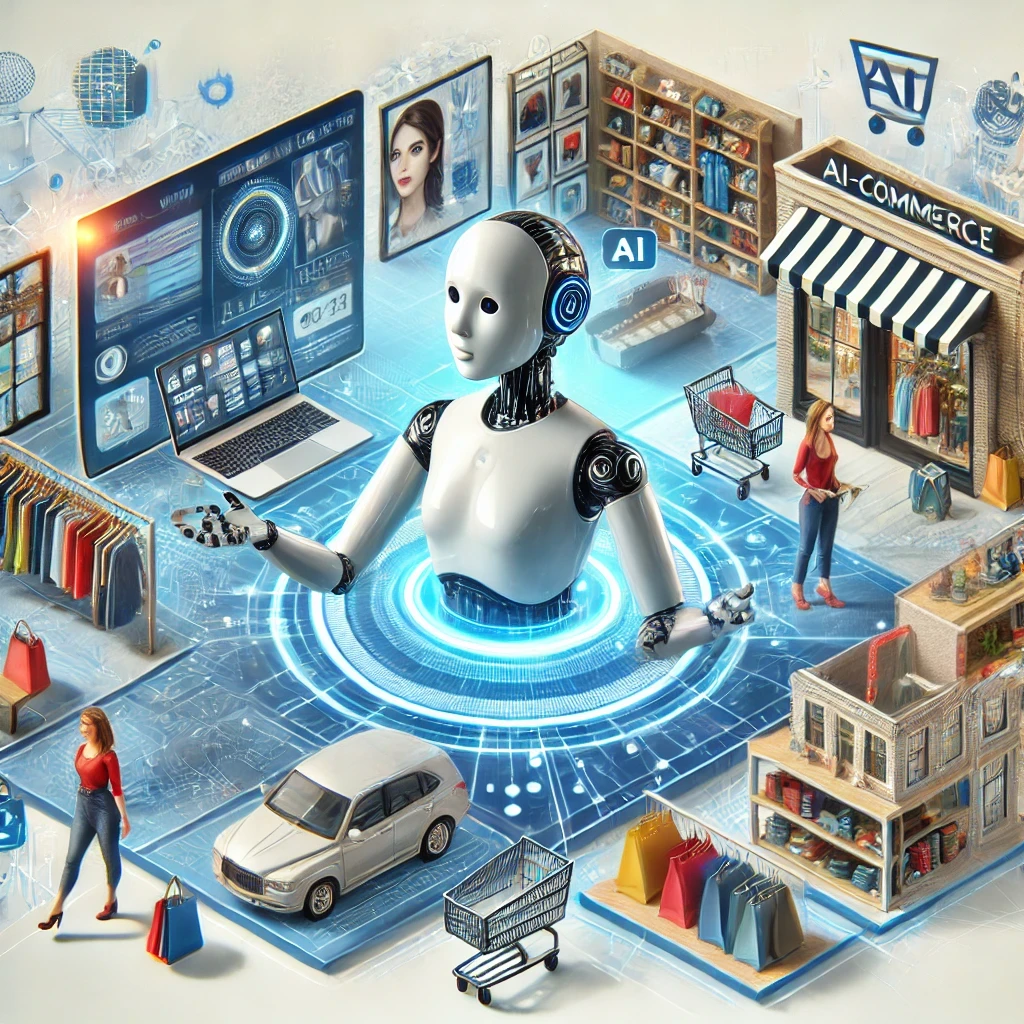
As e-commerce continues to grow, businesses are increasingly turning to artificial intelligence (AI) to improve customer experiences and boost sales. Personalized shopping experiences, enabled by technologies like GPT (Generative Pre-trained Transformer) and machine learning, have become a key differentiator in the competitive online marketplace. By analyzing data on customer preferences, behavior, and purchasing history, AI can tailor product recommendations, automate customer support, and create dynamic content that resonates with individual shoppers. This article explores how personalized AI is transforming e-commerce, highlighting the specific ways in which GPT models and machine learning enhance the shopping experience and drive sales.

Speech Recognition and Natural Language: How AI Understands and Generates Human Speech
Skills and development Applications Smart Technologies

Speech Recognition and Natural Language: How AI Understands and Generates Human Speech

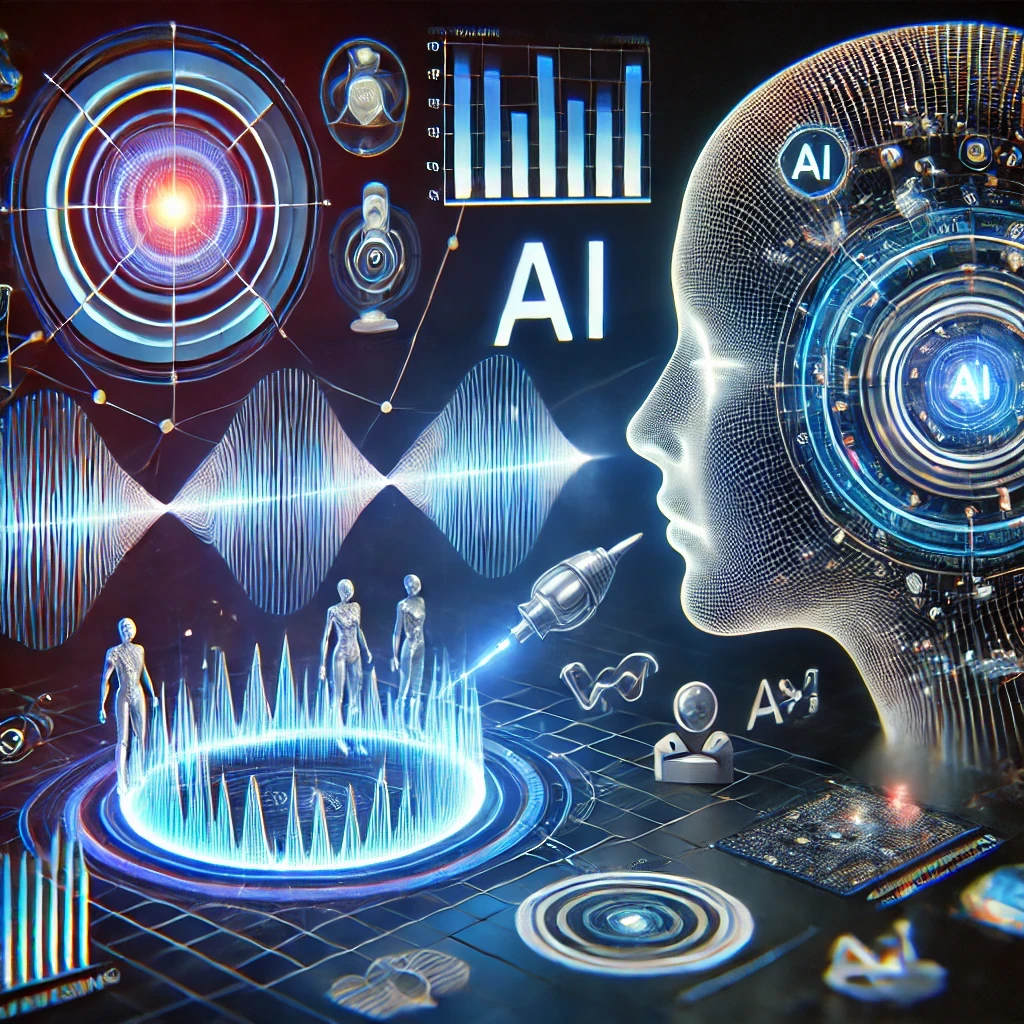
Speech recognition and natural language processing (NLP) are two fundamental technologies that have enabled artificial intelligence (AI) to bridge the gap between humans and machines. These technologies allow AI systems to understand, interpret, and generate human speech, making interactions with digital assistants, chatbots, and automated systems more natural and seamless. From voice-activated devices like Alexa and Siri to complex language models like GPT, AI has made remarkable progress in the field of language understanding and speech generation. In this article, we will explore how AI systems process speech and language, the technologies behind these advancements, and the challenges that remain.

AI and Climate Change: Leveraging Technology to Monitor and Address Environmental Challenges
Applications Smart Technologies Sustainability

AI and Climate Change: Leveraging Technology to Monitor and Address Environmental Challenges

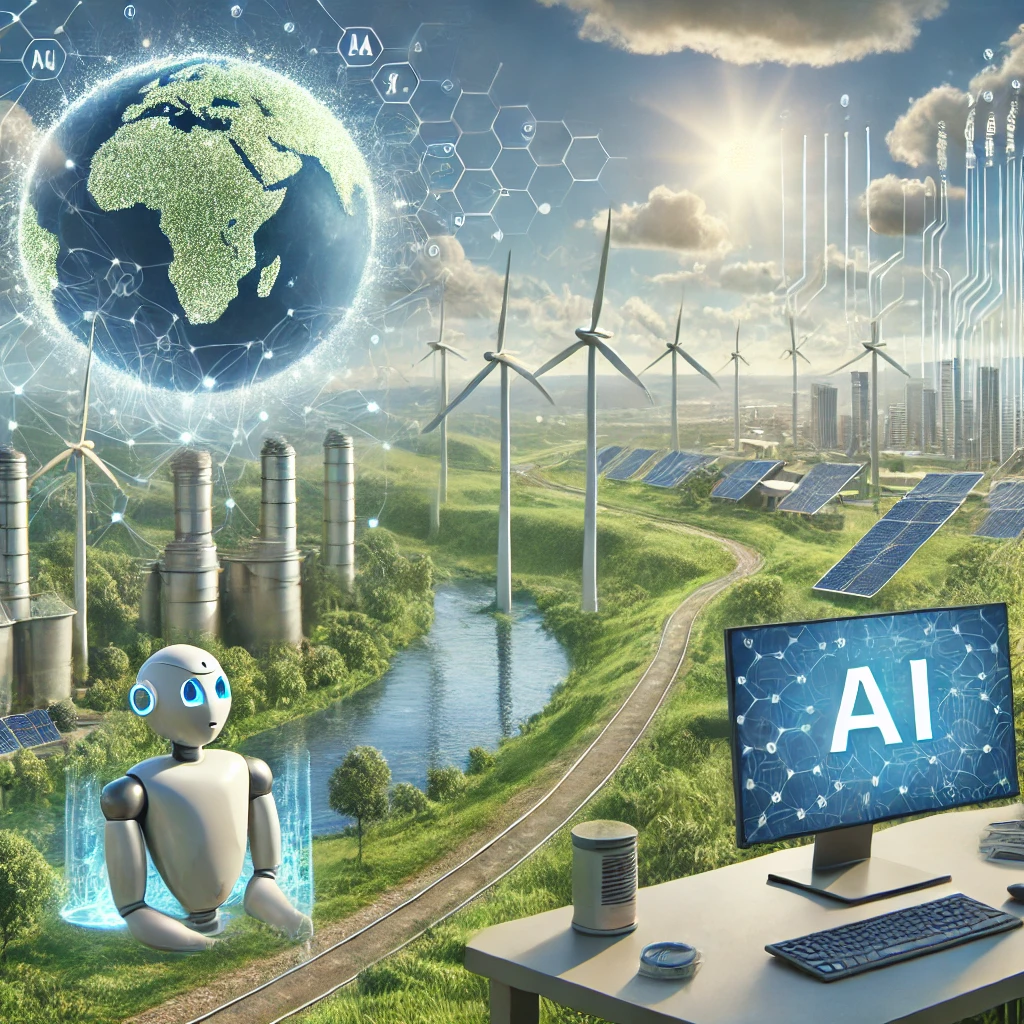
Artificial intelligence (AI) is emerging as a powerful tool in the global fight against climate change. From monitoring environmental conditions to optimizing resource use, AI can enhance our ability to understand, mitigate, and adapt to the impacts of climate change. As the planet faces unprecedented ecological challenges, the integration of AI into climate science and environmental management offers new opportunities to track climate trends, predict future scenarios, and implement solutions that reduce the human footprint on the planet. This article explores how AI is being used to address climate change and the role it can play in creating a more sustainable future.

Ethics and Morality in AI: How to Create Safe and Fair Algorithms
Applications Smart Technologies Ethics

Ethics and Morality in AI: How to Create Safe and Fair Algorithms

As artificial intelligence (AI) becomes increasingly integrated into various aspects of society, questions about the ethical and moral implications of these technologies have taken center stage. From healthcare and finance to criminal justice and everyday life, AI systems influence decision-making processes that can profoundly affect people's lives. Ensuring that AI algorithms are developed responsibly, with a focus on fairness, safety, and transparency, is critical to preventing harm and fostering trust in these technologies. This article explores the key ethical challenges in AI, the principles guiding the development of safe and fair algorithms, and potential solutions to address these concerns.

The History of Artificial Intelligence: From Its Early Beginnings to Modern Achievements
Education and training Applications Smart Technologies

The History of Artificial Intelligence: From Its Early Beginnings to Modern Achievements

The history of artificial intelligence (AI) is a fascinating journey of human ingenuity, technological breakthroughs, and continuous evolution. From its early theoretical foundations to the cutting-edge applications we see today, AI has transformed how we interact with technology, solve problems, and understand intelligence itself. This article explores the key milestones in AI development, highlighting the significant moments that have shaped the field.

Cognitive Technologies and AI: How Artificial Intelligence Mimics Human Thinking
Applications Smart Technologies

Cognitive Technologies and AI: How Artificial Intelligence Mimics Human Thinking

Artificial intelligence (AI) has become a pivotal force in transforming how we interact with technology, enabling machines to perform tasks that typically require human intelligence. Among the most intriguing aspects of AI are cognitive technologies, which are designed to simulate human thinking processes. These technologies aim to replicate functions such as learning, reasoning, problem-solving, and decision-making. This article delves into how cognitive technologies and AI work together to mimic human cognition, their applications, and the potential challenges they pose.